



For over twenty years, Benue State has been synonymous with insecurity, poor governance, and socio-economic decline. Once hailed as the “Food Basket of the Nation,” the state found itself drowning in debt, with unpaid salaries, crumbling infrastructure, and a debilitated agricultural sector. The humanitarian crisis deepened as Benue became a hub for internally displaced persons (IDPs), victims of violent clashes and insecurity.
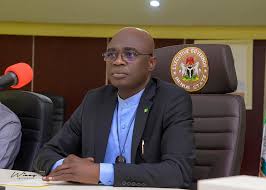
Answering the desperate call of his people, Rev. Fr. Hyacinth Alia, then a priest in the Diocese of Gboko, temporarily set aside his ecclesiastical duties to enter politics. Riding the wave of public hope known as the “Yes Father” movement, he decisively won the 2023 governorship election, defeating the incumbent PDP.
Revamping the Civil Service: A New Dawn for Workers
One of Governor Alia’s earliest priorities was reforming the civil service, plagued by irregular salary payments, ghost workers, and poor working conditions. “From an era of not knowing when their next salary would come, Benue civil servants began receiving their pay between the 22nd and 25th of every month,” marking a consistent improvement sustained for over two years.
Within his first 100 days, Gov. Alia cleared four months of salary arrears and uncovered over 2,500 ghost workers, many residing outside the state or abroad, especially within the primary school system. He raised the minimum wage to N75,000, surpassing the national minimum wage, and renovated the over 40-year-old Benue State Secretariat, providing civil servants with a modern and conducive workplace.
Infrastructure Renewal: Lighting Up Benue’s Capital
Makurdi, the state capital, was once shrouded in darkness at night, fostering criminality and despair. Gov. Alia launched a massive urban renewal campaign, reconstructing over twenty township roads in Makurdi alone and initiating two major underpass projects in Makurdi and Gboko — unprecedented developments in Benue.
The ambitious N5 billion “Light Up Makurdi” solar street lighting project has transformed the city’s nocturnal landscape, enhancing security and vibrancy. Across the state’s 23 local governments, 394 kilometers of roads have been completed, with about 50 ongoing projects, signaling a comprehensive infrastructural revolution.
Fiscal Discipline: Tackling Benue’s Debt Burden
Upon taking office, Gov. Alia inherited a staggering N186 billion domestic debt. Through prudent fiscal management, the administration has repaid N64.63 billion within 18 months, reducing the debt to N122 billion by December 2024. This disciplined approach has restored financial stability and confidence in the state’s economy.
Boosting Revenue Through Digital Innovation
Benue’s internally generated revenue (IGR) skyrocketed from an average of N700 million per month to over N2 billion, thanks to e-governance initiatives and digital revenue tracking that plugged leakages without increasing taxes. The government aims for a monthly IGR of N3 billion in 2025, aspiring to finance most recurrent expenditures internally.
Revitalizing Education: A Sector Reborn
The education sector, once crippled by teacher shortages, poor welfare, and dilapidated facilities, is undergoing rapid transformation. Gov. Alia has weeded out ghost workers, rehabilitated 52 schools, and initiated 374 projects including classroom renovations, hostels, and libraries. Over 9,000 teachers have been hired, and the retirement age harmonized at 65 or 40 years of service.
Significantly, the government now pays WAEC, NECO, and NABTEB exam fees for public school students. The newly approved Benue State University of Agriculture, Science and Technology at Ihuge promises to expand tertiary education access, complemented by a bursary program supporting over 30,000 students.
Healthcare Overhaul: From Primary to Tertiary Care
Governor Alia is upgrading healthcare facilities statewide. At the Benue State University Teaching Hospital, a new cancer treatment center is underway, alongside medical equipment for IVF and fibroid surgeries. Renovations include amenity wards, a water treatment plant, and a VIP clinic. Approximately 400 new medical staff, including specialists and nurses, have been recruited.
At the grassroots, over 98 healthcare centers are being revitalized to ensure quality medical services for all Benue residents.
Agriculture: Reclaiming the Food Basket Title
Recognizing agriculture as the lifeblood of Benue, Gov. Alia revived key agricultural agencies and partnered with the World Bank’s ACReSAL project to combat climate change effects. Fertilizer subsidies, new tractors, irrigation pumps, and revolving grants have empowered farmers, restoring productivity and reaffirming Benue’s status as Nigeria’s food basket.
Empowering Small Businesses and Transport
The “Alia Cares” program has injected N5 billion into over 4,000 small businesses through grants, stimulating economic growth. The state-owned Benue Links transport company was rejuvenated with 100 new buses and modern terminals, expanding transport services including haulage and water transport.
Security Challenges and Hope for Lasting Peace
When Gov. Alia assumed office, Benue was home to approximately 4 million IDPs displaced by violent conflicts. Through stakeholder engagement and support to security agencies, relative peace was restored in many areas, allowing displaced persons to return home. Despite recent security setbacks, the Governor remains committed to finding lasting solutions to protect lives and property.
Conclusion: A New Benue Emerges
While challenges persist, Benue State under Fr. Hyacinth Alia is experiencing a remarkable renaissance. Visible progress in governance, infrastructure, education, health, agriculture, and security signals a promising future. “Like a phoenix that is reborn from its ashes, Benue and its resilient people will definitely rise,” affirm supporters optimistic about the state’s transformation journey.