



Chijioke Nwachukwu, a well-known advocate for justice, has condemned recent political remarks implying that the detention of IPOB leader Nnamdi Kanu could be used as leverage for electoral gains in Nigeria’s 2027 elections.
Nwachukwu underscored that the issue at hand is not a political bargaining chip but a fundamental question of justice and human rights. He described Kanu’s detention as illegal and morally unjustifiable, urging political figures to refrain from exploiting the case for political convenience.
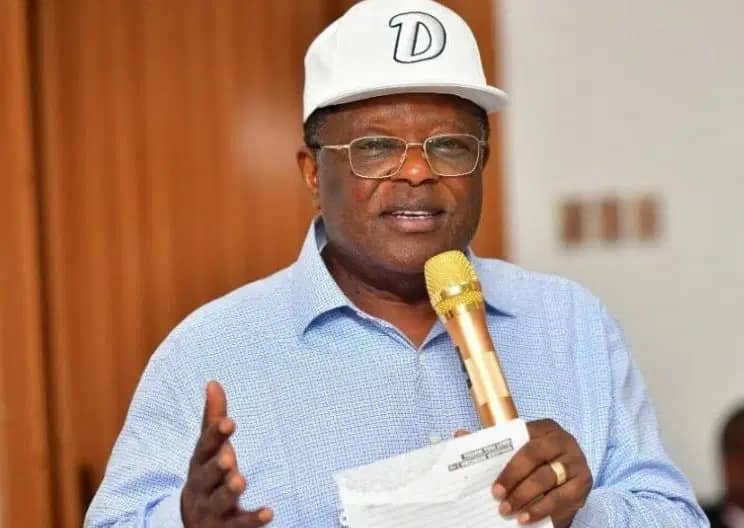
He specifically criticized statements by Minister of Works Dave Umahi, who suggested that the Igbo people should offer political support in exchange for Kanu’s release. Nwachukwu dismissed Umahi’s stance as offensive and politically misguided, asserting that Umahi speaks only for himself and a small group of opportunists, not the Igbo populace.
Highlighting the legal victories in Kanu’s favor, Nwachukwu referenced the Nigerian Court of Appeal’s October 2022 acquittal and the Kenyan High Court’s June 2025 ruling that condemned Kanu’s abduction as a violation of international law and human rights. A Nigerian Federal High Court has also supported these findings.
“Kanu’s continued illegal detention is not a matter for political negotiations or electoral permutations. It is a matter of justice, law, and fundamental human rights,” he emphasized.
Nwachukwu condemned those who treat Kanu’s fate as a bargaining tool, calling such behavior disgraceful and a betrayal of the Igbo people. He challenged Umahi to engage directly with the Igbo community through town hall meetings to understand their true sentiments.
Reaffirming Kanu’s significant support among the Igbo, Nwachukwu attributed this to long-standing grievances of marginalization. He warned that reducing Kanu’s case to politics insults the resilience and suffering of the Igbo and Biafran people.
He further criticized politicians who shift loyalties based on power, labeling them “errand boys,” and urged Nigerian leaders to act with integrity.
“Kanu’s release is a legal, moral, and constitutional obligation. It should not be traded for votes or political favours,” Nwachukwu concluded, warning that history will judge harshly those who prioritize politics over justice.