



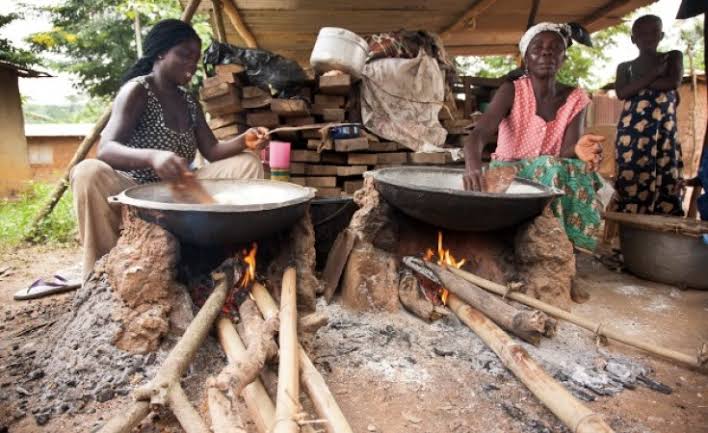
A billion Africans face daunting risks each day as they prepare food using open flames or polluting fuels, according to a comprehensive new analysis by the International Energy Agency. The scale of the problem is daunting—not just for Africa, but for humanity, as poorly regulated cooking fires worldwide rival the emissions of aviation.
Fatih Birol, who leads the IEA, called the crisis “one of the greatest injustices of our time, especially in Africa.” The agency’s data shows that four of five African families require wood or other biomass to cook, exposing them to deadly airborne toxins.
The fallout is both human and environmental. Airborne particles from such fires infiltrate homes, causing respiratory and cardiovascular disease and killing 815,000 Africans prematurely every year. In parallel, the relentless search for wood destroys forests, further undermining regional resilience to climate change.
Women and children pay a particularly high price, spending so much time managing household fires and collecting wood that they lose out on education and employment opportunities.
Promising developments have emerged: an IEA-led summit in Paris secured $2.2 billion in global pledges, resulting in concrete actions like a stove factory in Malawi and affordable stove rollouts in Uganda and Ivory Coast. Still, more sustained investment is needed.
In other parts of the world, particularly Asia and Latin America, 1.5 billion people have made the switch to modern stoves since 2010. But sub-Saharan Africa lags behind, with the number reliant on unsafe methods still growing.
The IEA’s prescription is clear: for just $2 billion a year—a sliver of global energy spending—the continent could transform its health and climate prospects. Alternative solutions, from solar and biofuels to LPG, could prevent nearly 5 million premature deaths in Africa and eliminate greenhouse emissions equal to those of the entire aviation sector by 2040.