



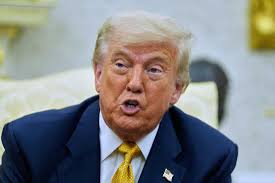
In a forceful public address, Brazil’s President Luiz Inacio Lula da Silva lambasted US President Donald Trump’s threat to impose a sweeping 50 percent tariff on Brazilian exports. Lula called the threat “unacceptable blackmail,” framing it as a politically motivated attack on Brazil’s autonomy.
This tariff threat emerged in the context of the ongoing legal challenges facing Jair Bolsonaro, Brazil’s former far-right president and Trump ally, who faces trial on coup conspiracy charges after the contentious 2022 elections. Trump declared the tariffs on July 9, presenting them as a response to what he described as a “witch hunt” against Bolsonaro. The tariffs are scheduled to be implemented starting August 1 unless diplomatic talks yield an accord.
Lula sharply criticized Brazilian politicians supporting Trump’s stance, calling them “traitors to the homeland,” and insisted that Brazil’s future belongs to its people alone. He conveyed a desire to maintain “good commercial and diplomatic relations” but remained resolute in defending national interests.
Coinciding with Lula’s speech, Trump published a letter addressed directly to Bolsonaro on his Truth Social platform. He urged Lula’s government to “change course” and desist from attacking Bolsonaro, emphasizing that Bolsonaro was being unfairly targeted by the Brazilian judicial system. Trump reaffirmed his opposition to these actions publicly and through tariff policies.
Trump also drew attention to freedom of expression issues, pointing to recent moves by Brazilian regulators to suspend Rumble, a conservative-leaning video-sharing site, on grounds of disputing disinformation spread.
The US action stands apart from other trade measures, as it was overtly framed as retaliation with a punitive tariff of 50 percent, well above prior US tariff policies typically capped at 10 percent. Brazil, which runs a trade surplus with the US, has expressed strong disapproval through formal channels, demanding clarity on the accusations of unfair trade conduct.
This latest episode underscores the increasing polarization and strain in Brazil-US relations, fueled by political alliances and conflicting visions for the region’s governance.