



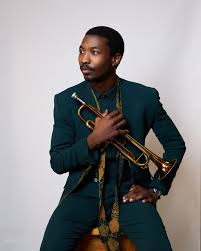
In a thoughtful interview with Taymesan on the Tea With Tay podcast, Omorinmade “Made” Kuti—a gifted multi-instrumentalist and heir to the Afrobeat throne—shared candid insights into what it means to live under the shadow of one of Africa’s greatest musicians, Fela Kuti.
Made, whose proud lineage is both a burden and a blessing, explained, “Music is one of the worst professions where nepotism can succeed, because it’s brutally honest. If you see me perform and it’s not good, you’ll know. You can’t fake it.”
The discussion soon turned to the advantages associated with his family name. While refusing to minimize its impact, Made was clear-eyed about its limits: “I would never say or deny the fact that I, as a Kuti, have opened a lot of doors for myself in the industry. A lot of musicians who discovered and pioneered original music didn’t come from privileged backgrounds.”
He further delved into the legacy of pain and activism that inspired entire genres. “Punk, blues, jazz, rock music, even hip-hop, they came from struggle. People used art to evoke the trauma they were experiencing. Fela did that…After they beat him, came Zombie, Suffering and Smiling. That was how he dealt with pain. That was his weapon.”
Beyond the stage, Fela was known for his radical approach to both wealth and family. “He was broke. Fela died poor,” Made disclosed. “His house was an open house. Anybody could walk in…He made the kind of money that could have bought a whole street. But when he came back from shows, he’d open a box of cash and say, ‘Anybody that needs, take.’”
This spirit extended to family ties: “His children were not allowed to call him dad or father or any kind of honorific because he didn’t want any special treatment for them, because everybody was equal in Kalakuta.”
Despite his foreign acclaim, Fela was neglected at home until the nation mourned him en masse after his death in 1997. “By ’96, ’97, people weren’t speaking positively about him anymore…Then millions showed up. They carried him back to Kalakuta. It was aired on TV.”
Today, as Made continues to uphold the family’s tradition for challenging norms, the Kuti surname endures as a symbol of unyielding commitment to honesty, justice, and the unvarnished truth in music and public life.