



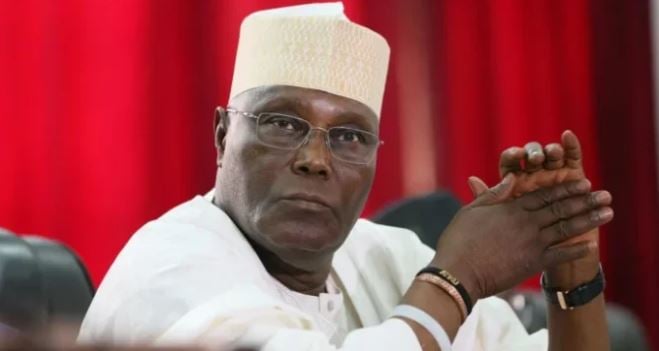
As Nigeria edges closer to the 2027 presidential elections, former Vice President Atiku Abubakar’s recent declaration that he would step aside for a younger aspirant in the African Democratic Congress (ADC) primaries has been met with skepticism, with many critics dismissing it as political rhetoric.
Atiku, who led the Peoples Democratic Party (PDP) as its presidential flagbearer in 2023 but failed to secure victory, told BBC Hausa that he would accept defeat in the primaries and back a younger contender. He insisted that the African Democratic Congress is a party committed to youth and women’s empowerment.
“If I run for office, and a young man defeats me, I will accept that. The party we have joined now prioritises youth and women,” Atiku said.
However, political observers argue that Atiku has made similar statements in the past but has consistently remained a dominant force in internal party politics, often sidelining younger aspirants. Critics note that his long-standing ambition for Nigeria’s highest office overshadows genuine efforts to usher in a generational change.
Despite claiming he has not yet decided whether to contest again, Atiku signaled that his immediate focus is to strengthen ADC’s base.
“This is only the beginning. Our priority is to establish the party and gain a strong following,” he remarked.
But Senator Shehu Sani, a former Kaduna lawmaker, underscored the futility of expecting Atiku to lose in party primaries. In a post on X, Sani suggested that Atiku’s political machinery is so entrenched that defeating him is almost impossible.
He wrote: “His Excellency the Waziri reportedly said he would step aside if a younger candidate wins the primaries… The keyword here is PRIMARIES… It’s easier for a camel to pass through the hole of a needle than to beat the Waziri in primaries. Party delegates are a special breed of people.”
Sani’s blunt remarks highlight a broader concern—that Atiku’s control over party delegates effectively blocks younger politicians from emerging, despite his public claims of supporting youth leadership.
Many Nigerians argue that Atiku’s repeated candidacies reflect a refusal to allow fresh voices in the political arena, further deepening frustration with the recycling of old politicians who have dominated the system for decades.