



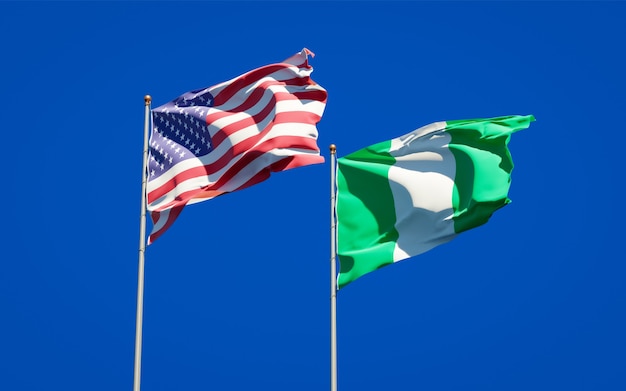
Nigerians Are Watching the Influencers Who Got Called to the US Consulate Parley
In recent days, social media has been buzzing after several prominent Nigerian influencers were reportedly invited to a private parley at the United States Consulate in Lagos. Among those who attended the meeting are some of the country’s most recognizable digital figures — Broda Shaggi, Taaooma, Sydney Talker, Tacha, Layi Wasabi, Hero Daniels, Ify’s Kitchen, Jay on Air, Folagade Banks, Tee Kuro, Fisayo Fosudo, Kaffy Dance, and Chivera.
The meeting, which has not been officially detailed to the public, has sparked widespread curiosity and debate across various online communities. Nigerians are now closely watching these influencers, seeking to understand the true purpose behind the gathering and whether it bears any connection to the country’s recent foreign policy stances.
This development comes at a sensitive time in Nigeria’s diplomatic posture, especially following its firm position at the last United Nations General Assembly, where the country openly expressed support for Palestine. This position reportedly displeased certain Western nations and media groups who have since been accused of trying to manipulate public narratives through international and local influencers.
Emerging reports suggest that some global influencers have been allegedly paid as much as $7,000 each to circulate narratives portraying Nigeria as a country where the government is complicit in genocide against Christians. These claims have been widely criticized as misleading and dangerous, particularly given Nigeria’s complex security landscape where violence affects both Muslims and Christians.
Analysts argue that while Christian communities in regions like Benue and Jos have suffered grave attacks, Muslim populations in Maiduguri, Adamawa, Katsina, and Niger have also borne the brunt of terrorism and insurgency. In fact, many observers maintain that no religion has suffered more from the ongoing insecurity than Muslims, considering that the epicenters of violence remain largely in the North East and North West — predominantly Muslim areas.
The broader concern, however, lies in the fear that external forces might be using media influence to destabilize Nigeria’s internal cohesion. Experts warn that narratives crafted around religion, ethnicity, or politics could inflame existing tensions and lead to deeper divisions within the country.
Many Nigerians are now keeping a close eye on the influencers mentioned, not necessarily out of distrust, but out of caution. There are growing suspicions that third-party agencies and international organizations may attempt to channel propaganda through trusted local voices to give false legitimacy to certain stories.
As the country continues to battle insecurity, economic challenges, and international scrutiny, citizens are urging public figures to act responsibly and resist being used as tools for misinformation or geopolitical manipulation.
For now, one thing is clear — Nigerians are watching. Every post, every message, and every collaboration from these influencers will be analyzed, not out of malice, but out of the need to protect the country’s fragile unity and ensure that truth and patriotism prevail over propaganda.