



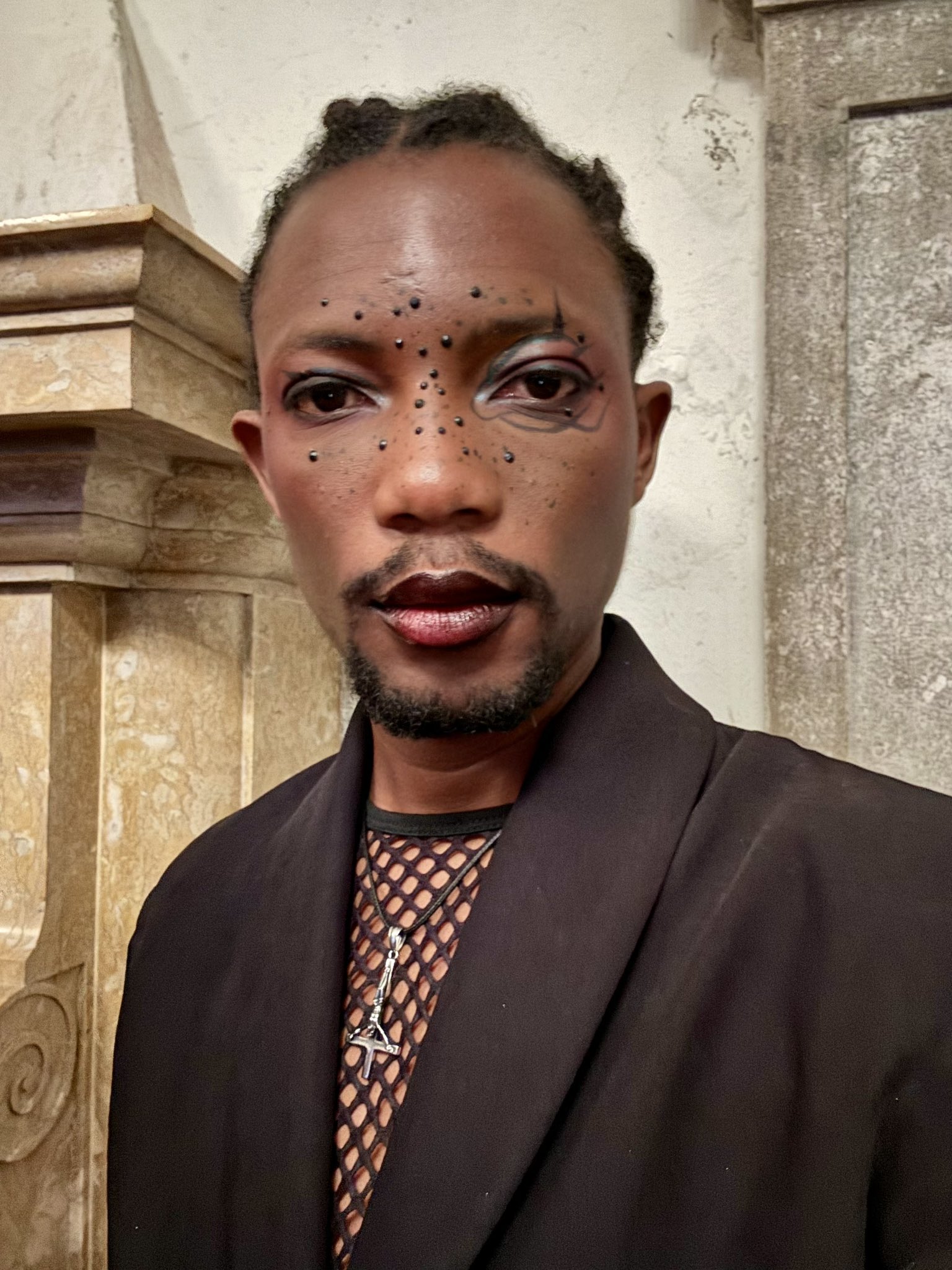
A social media post has resurfaced online accusing Ezra Olubi, the Nigerian co-founder of the global payment company Paystack, of playing a role in the alleged diversion of Bitcoin donations raised during the 2020 EndSARS protests. The allegation was made by an X (formerly Twitter) user identified as @oyinyeola.
In the post, the user wrote: “This Ezra guy was also the person who helped Femco syphon the Bitcoin donations during EndSars.” The statement, which has sparked renewed conversation on the fundraising activities of the Feminist Coalition (FEMCO), refers to the group that coordinated a significant portion of the financial support used to sustain the EndSARS demonstrations against police brutality in Nigeria.
FEMCO, a Nigerian feminist organisation, had managed millions of naira in local and international donations— including cryptocurrency contributions— to support logistics, food, medical care, and legal assistance for detained protesters. During the protests, the group became globally recognised for its transparent real-time fundraising dashboards, until government restrictions and banking pressure pushed donors to rely heavily on Bitcoin.
The post did not provide evidence to substantiate the claim against Ezra, nor did it give additional context on how the alleged siphoning occurred. As of press time, neither Ezra nor FEMCO had publicly responded to the renewed allegation circulating on social media.
The EndSARS protests, which began in October 2020 across various Nigerian cities, were a youth-led movement calling for the disbandment of the Special Anti-Robbery Squad (SARS), a unit of the Nigeria Police Force widely accused of extrajudicial killings, extortion, and human-rights abuses. The protests drew global attention and resulted in significant political, social, and economic ripple effects.
The allegation comes amid ongoing debates about the financial management of EndSARS donations, an issue that periodically resurfaces on Nigerian social media platforms due to lingering mistrust, political narratives, and unresolved questions surrounding the movement’s aftermath.