



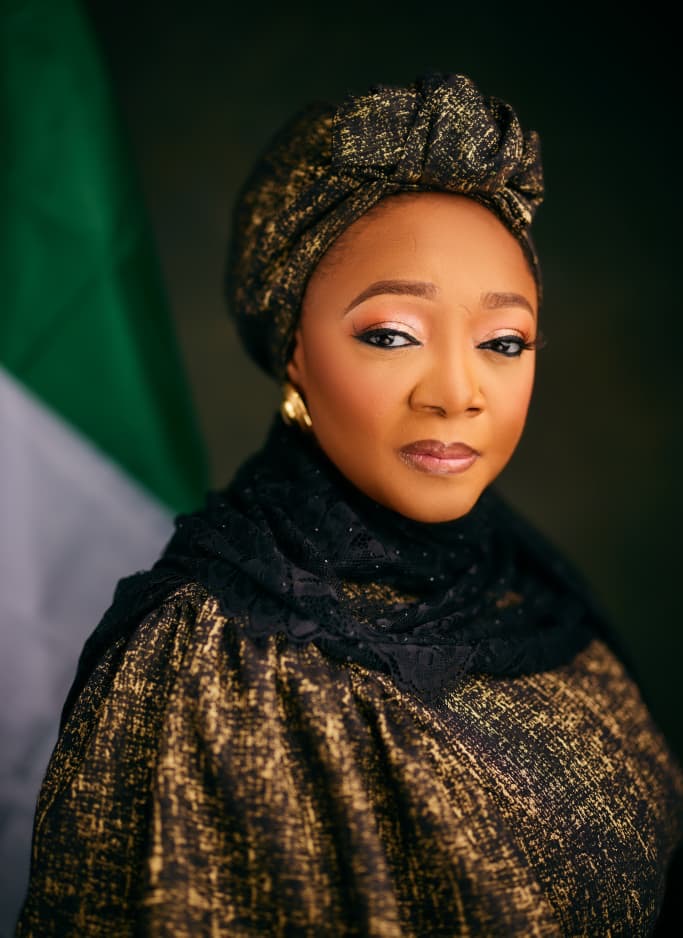
The Minister of Women Affairs and Social Development, Imaan Sulaiman-Ibrahim, is seeking a strategic partnership with the Oil and Gas Free Zones Authority (OGFZA) to expand women’s economic empowerment across the country.
The proposed collaboration focuses on clean cooking solutions, inclusive energy transition, and sustainable livelihood opportunities, key areas that directly affect millions of Nigerian women, especially in rural and agro-based communities.
OGFZA manages Nigeria’s oil and gas free zones, which have attracted over $50 billion in investments and are designed to drive industrialisation, technology transfer, job creation, and human capital development.
By linking women-focused programmes to these zones, the government aims to connect women to large-scale economic activities rather than leaving empowerment at the level of small, isolated interventions.
The minister tied the initiative to the Bola Ahmed Tinubu administration’s Renewed Hope Agenda, arguing that empowering women at the household level can reduce poverty, improve security, and solve many social challenges.
The logic is simple: women are central to family welfare, food production, and informal trade, so strengthening their economic capacity has a multiplier effect on the wider society.
Women make up about 70% of Nigeria’s agro-economy workforce. With access to energy, financing, skills, and value-chain opportunities through the free zone ecosystem, their productivity could increase significantly, improving food security, exports, and Nigeria’s global competitiveness.
A major part of the plan is to promote clean cooking and affordable sustainable energy. This is crucial because many Nigerian women still rely on firewood and charcoal, which affects health, consumes time, and limits their economic activities. Clean energy access frees up time for income-generating work and improves living standards.
OGFZA’s Managing Director, Bamanga Usman-Jada, highlighted that the free-zone model used successfully in countries like China, India, Saudi Arabia, and the UAE remains one of the fastest ways to grow an economy. He also noted:
1. Increasing replacement of expatriates with skilled Nigerians
2. Strong female workforce participation (about 70% at the new $150m APM Terminal facility)
3. Mandatory corporate social responsibility projects targeting women and youth
If implemented effectively, the partnership could:
I. Move women from subsistence work into industrial value chains
II. Create jobs and skills within high-value sectors
III. Accelerate Nigeria’s energy transition in a socially inclusive way
IV. Reduce poverty and insecurity through household economic stability
In simple terms: this is an attempt to plug Nigerian women directly into the country’s industrial growth engine, not just support them with small programmes, but make them active players in large-scale economic transformation.