



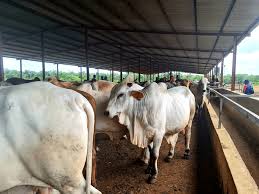
In response to escalating violence between herders and farmers, eleven Nigerian states have embraced ranching as a strategic solution to reduce conflict and enhance livestock management. This move follows a series of deadly attacks, including the massacre of over 200 people in Benue State’s Yelewata community.
The states actively pursuing ranching include Lagos, Plateau, Ondo, Zamfara, Bauchi, Delta, Niger, Kano, Jigawa, Nasarawa, and Anambra. While some have allocated land for ranching, others are developing policies and infrastructure to support the initiative.
President Bola Tinubu condemned the recent killings, attributing them to land-grabbing, and established a committee of elders to promote peace. He also ordered the immediate arrest of the suspected herders responsible.
Lagos State’s Permanent Secretary for Agriculture, Emmanuel Audu, highlighted that the state has been developing a ranching system for over three years and enforces an anti-open grazing law. “We have the land and are putting infrastructure in place,” he said, welcoming collaboration with the Federal Government and private investors.
Public opinion in Lagos favors ranching as a sustainable alternative. Resident Emmanuel Sanusi noted, “Ranching confines livestock to a controlled environment, reducing clashes and improving community safety.” Political activist Ayoyinka Oni also opposed open grazing, advocating for large land purchases by cattle owners.
Anambra State maintains its anti-open grazing law and supports ranching, with Governor Chukwuma Soludo working closely with the Federal Government. However, some residents view the initiative skeptically, considering it a private business venture.
Ondo State runs two ranches and banned open grazing in 2020. Though it has not partnered with the Federal Government, it remains open to investors.
Zamfara State, severely affected by herder-farmer clashes, offers abundant land for ranching. Special Assistant Mustafa Jafaru emphasized the state’s commitment to ending violence through the initiative.
Nasarawa State has allocated 22,000 hectares for the Federal Government’s ranching project, with Governor Abdullahi Sule urging nationwide adoption to address security challenges.
Plateau State supports ranching, recently launching the Wase Grazing Lot in partnership with the Federal Ministry of Livestock Development. The state plans to modernize livestock infrastructure and gradually discourage open grazing.
Adamawa State awaits formal requests for ranching land but has approved pasture development areas. It maintains grazing reserves but remains cautious about full ranching adoption.
Gombe State received N60 billion from the Federal Government for an agro-livestock hub, eliciting mixed reactions from residents and stakeholders concerned about implementation and inclusivity.
Akwa Ibom residents back ranching to reduce conflicts and improve food security, urging communities to donate land.
Benue and Edo states have not yet committed to providing land. Benue enforces anti-open grazing laws but remains undecided on ranching land allocation. Some residents oppose ranching due to ongoing violence.
Edo State is undecided, with experts calling for careful policy consideration before accepting federal funds.
Kwara State combines ranching with regulated open grazing, investing in boreholes and feed preparation to support pastoralists.
Oyo State enforces anti-open grazing laws rigorously, with arrests and prosecutions of violators, and has enhanced security for farmers.
Bayelsa State prohibits open grazing and has set aside grazing land, though its conversion to ranching remains uncertain. Farmers are divided on the issue.
In Imo State, the PDP opposes ranching, fearing it may incite clashes, while academics advocate for legal frameworks to regulate the practice and reduce conflicts.
The ranching initiative represents a coordinated effort to modernize livestock management and improve security. Its success depends on government collaboration, community engagement, and transparent resource management.