



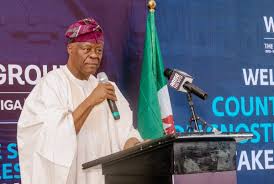
Reiterating the Federal Government’s focus on improving trade revenue management, Finance Minister Wale Edun has highlighted the critical role of the National Single Window system in enhancing customs revenue collection and curbing leakages.
Appearing before the National Assembly’s Committee overseeing customs and tariffs, Edun outlined how customs duties remain a vital source of funds contributing to both federal and state budgets. He emphasized that by adopting more efficient, integrated trade processes, the government hopes to optimize these collections.
“This revenue stream is significant and underpins much of our government operations,” the minister said. “We will continue to close any loopholes that disadvantage the economy.”
Edun referenced ongoing macroeconomic reforms, including the government’s removal of fuel subsidies and the switch to a market-oriented foreign exchange framework, as pivotal changes that necessitate a robust customs system. He remarked, “Price equalization remains the only viable approach to managing market dynamics and ensuring fair competition.”
The minister also drew attention to informal trade payment channels which undermine transparency, revealing that the government is assessing reforms to enable the naira to be used for key international trade transactions, including crude oil import payments.
In light of the burgeoning digital economy, Edun voiced concerns about new, digitally-driven payment platforms led predominantly by youth, which still exist largely beyond official regulation. To safeguard revenues and ensure regulatory oversight, he called for their incorporation into the formal financial sector.
The National Single Window initiative is projected to reduce bureaucratic inefficiencies at ports, expedite trade processes, and boost Nigeria’s ranking in international trade facilitation indices. The National Assembly committee expressed appreciation for the minister’s reform agenda and pledged legislative assistance to fast-track the initiative.