



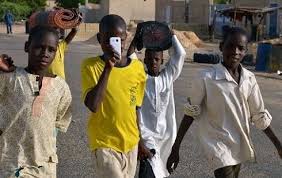
Nigeria has brokered a new international educational partnership, securing $25.35 million in concessional funding from the Kuwait Fund for Arab Economic Development to tackle the alarming rates of out-of-school children in Kaduna State. Combined with support from the Islamic Development Bank, Global Partnership for Education, and others, the total blended financing package stands at $62.8 million, marking a new era for educational reform in northern Nigeria.
Against the backdrop of millions of excluded children, especially in the north, the loan will facilitate the Reaching Out-of-School Children (ROOSC) programme—a comprehensive intervention that will enroll more than 100,000 students, construct over 100 modern schools, and upgrade 170 learning centers across all 23 local government areas. The approach gives special priority to displaced children, girls, and those living with disabilities.
Minister Wale Edun underscored government accountability and transparency, while commending Kaduna’s proactive approach, including the allocation of 26.14% of the state’s 2025 budget to education. Dr Wahid Al-Bahar, head of the Kuwait Fund, emphasized that the true reward for the investment would be measured in “improved enrolment, learning outcomes, and whole community empowerment.”
The funding consortium covers grants and loans from leading organizations that will support construction, teacher training, curriculum improvements, and continuous monitoring—a model designed for replication across Africa.
Implementation will be closely monitored by both federal and state agencies, ensuring every metric—from enrolments to teacher effectiveness and academic success—is mapped for sustainable impact.