



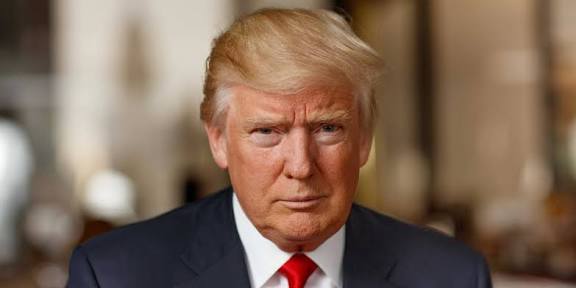
Nigerian activist and former presidential candidate Omoyele Sowore has criticised United States President Donald Trump, accusing him of using religion and military power to justify foreign interventions and personal interests.
Sowore, who is the publisher of Sahara Reporters and a former candidate of the African Action Congress in Nigeria, made the remarks in a post on X, formerly known as Twitter.
In the post, Sowore described Trump as someone driven by power and economic gain, especially in regions rich in oil and rare earth minerals. He alleged that decisions to invade or interfere in other countries are often taken for selfish reasons, while the public explanation is shaped to suit the emotions of the target audience.
According to him, “Emperor Donald Trump wakes up, intoxicated by U.S. military power, scans the globe, and fixes his gaze on any part of the earth rich in oil or so-called rare earth minerals, wherever his bread can best be buttered.”
Sowore further argued that narratives used to justify such actions are carefully crafted and do not need to be factual, as long as they appeal to what he described as the gullibility of the audience.
He also dismissed claims of a “Christian genocide” in Nigeria, saying the narrative was deliberately created to gain emotional support. “I have always maintained that the Nigerian ‘Christian genocide’ narrative is a calculated ruse, crafted to occupy a popular emotional space. It worked wonders,” he stated.
The activist went on to question Trump’s personal values, particularly his use of Christian language and symbolism. Sowore said Trump does not reflect the teachings of the Christian faith, especially love for others.
He wrote that Trump “does not serve the God of the Christian Bible” and accused him of caring only about himself and his wealth. According to Sowore, “He loves only himself and his account balance. Everything else is theatre.”
The comments add to ongoing global debates about the role of religion, military power, and economic interests in international politics, as well as the use of faith-based narratives in shaping public opinion.