



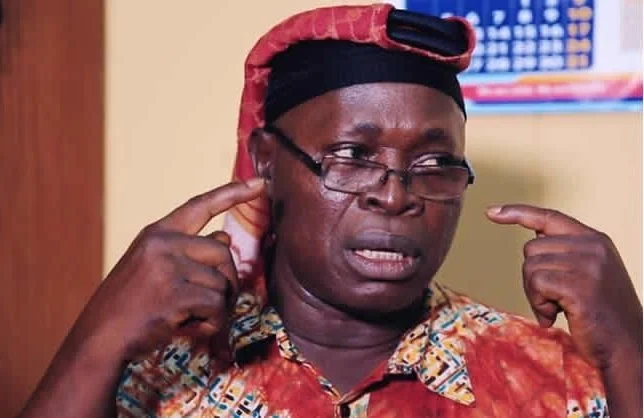
The Muslim Rights Concern, a Nigerian Islamic advocacy organisation known as MURIC, has condemned proposed United States sanctions that would target prominent Muslim figures and organisations in Nigeria, calling the plan unfair and selective.
The proposal was introduced last week by five lawmakers in the United States Congress. It seeks visa bans and asset freezes on Rabiu Musa Kwankwaso, a former governor of Kano State in northern Nigeria and a leader of the New Nigerian People’s Party, as well as the Miyetti Allah Cattle Breeders Association of Nigeria and Miyetti Allah Kautal Hore, among others.
In a statement issued on Thursday, February 12, 2026, MURIC’s Executive Director, Professor Ishaq Akintola, argued that the sanctions focus on Muslims while ignoring alleged abuses by some public officials in southern Nigeria and by groups he described as Christian militias in Nigeria’s North Central region. He said those actions have affected Muslim residents and travellers for decades, including attacks in Plateau State in North Central Nigeria.
Akintola said: “We take the decision of the US Congress to sanction Muslims alone with a pinch of salt. It amounts to scapegoating, preconceived judgement and crusade-brandishing.”
He also argued that extremist violence in Nigeria has involved both Muslim and Christian actors, and he insisted that any international sanctions should be broad and balanced rather than aimed at one religious group.
Akintola said MURIC has operated since 1994 and claimed it has records of alleged violations it is ready to present to the United States, the United Nations, or other international audiences if given the opportunity. He also warned that if northern Muslims are marked for sanctions, then current and former public officials in parts of North Central Nigeria who, he alleged, supported or protected violent groups should also be listed.
The MURIC leader accused the United States of paying more attention to Christian voices from Nigeria in discussions about violence and rights abuses. He argued that Muslims should also be heard, and he referenced the principle of hearing both sides in the pursuit of fairness.
He said: “We nurse the suspicion that even US officials have always preferred to listen to Nigerian Christians without seeking to hear from Muslims to balance the stories and for justice, equity and fairness.”
Akintola urged Washington to widen its focus to include individuals he accused of discriminating against Muslims in daily life. He alleged that some Muslims have been denied voter cards due to religious clothing, that some institutions have resisted court decisions involving Muslim rights, and that Muslim students have been compelled to attend church services under threat of expulsion. He also alleged that some public services and documents, including national identity cards, driving licences, and international travel passports, have been withheld unless religious coverings such as hijab, caps, or turbans are removed.
He further claimed that qualified Muslim applicants have faced discrimination in employment and that Muslims have been marginalised in political appointments in parts of southern Nigeria. He pointed specifically to Lagos, Ogun, Oyo, and Osun states in Nigeria’s South West.
Akintola said Nigerian Muslims have no reason to be hostile toward the United States and noted that many Americans are Muslims and that Nigerian Muslims also live and work in the United States. He warned that sweeping sanctions without deeper findings could create tensions and, in his view, give extremist groups such as Boko Haram and the Islamic State a propaganda victory.
The sanctions proposal would still need to pass through the United States legislative process before any measures could be enforced.