



ABUJA, Nigeria — Nigeria’s opposition parties are facing growing internal criticism as the country moves gradually toward its next presidential election in 2027.
President Bola Ahmed Tinubu, elected in 2023, is widely expected to seek a second term under Nigeria’s constitutional two-term limit. As that possibility becomes clearer, debate has intensified over whether the opposition has done enough groundwork to mount a credible challenge.
The African Democratic Congress, one of the smaller but active political parties, has been criticised by some supporters who argue that it failed to begin early nationwide mobilisation. According to party critics, there was no sustained membership drive throughout last year, no extensive tour across Nigeria’s regions to build support, and delays in rolling out online registration for new members.
In Nigeria’s electoral system, success often depends on early coalition-building across the country’s diverse geopolitical zones, which include the North West, North East, North Central, South West, South East, and South South regions. Without visible grassroots engagement in these areas, analysts say, it becomes difficult to challenge an incumbent president.
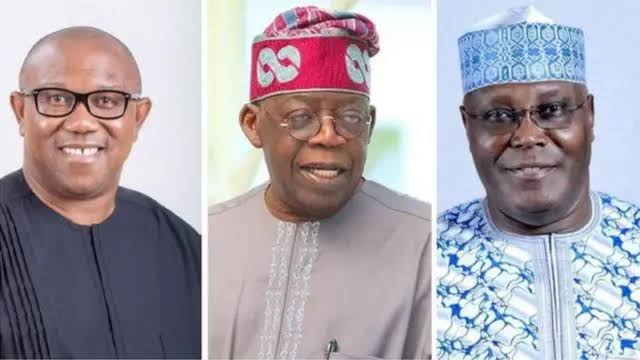
Attention has also focused on two prominent opposition politicians, Atiku Abubakar, a former Vice President of Nigeria, and Peter Obi, who was widely described as a reform-oriented candidate during the 2023 election.
Some critics argue that Atiku has not successfully unified northern political structures, which are historically influential in presidential elections due to high voter populations. Others say Obi, who gained significant youth support in 2023, may find it difficult to recreate the momentum of that campaign if he does not expand beyond his established strongholds.
Political observers point out that President Tinubu performed strongly in parts of northern Nigeria during the last election. If he maintains similar numbers in those states, the mathematical path for any opposition candidate becomes narrower.
The North Central region is seen as competitive territory, where voting patterns can shift between parties. Analysts suggest that opposition candidates could perform differently there, but without coordinated strategy, vote splitting may benefit the incumbent.
Recent controversy surrounding the signing of a bill into law has further exposed divisions. Critics questioned why opposition leaders did not mount stronger public pressure while the bill was under debate in the National Assembly before it was signed. The timing of a subsequent press conference drew particular criticism from some political commentators.
Despite sharp rhetoric from critics, Nigeria’s political environment remains dynamic. Economic performance, voter turnout, and alliance negotiations in the coming months could all reshape the race.
For now, the debate reflects a broader concern among opposition supporters that time is limited. With roughly seven months to key preparatory milestones before the main campaign season intensifies, questions remain about whether the opposition can reorganise quickly enough to pose a serious challenge in 2027.