



By Shie Aondoakaa
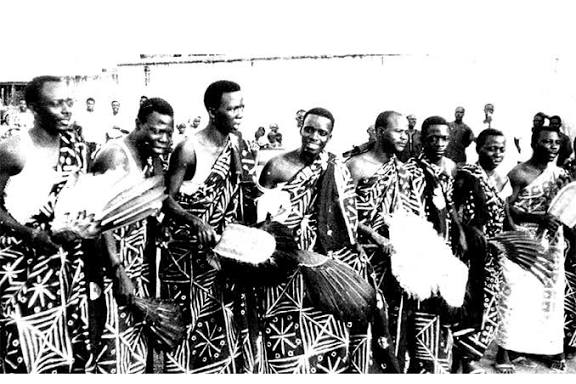
The Tiv people of Benue, Nasarawa, and Taraba States (a large number of whom are indigenes of Nasarawa and Taraba due to state partitioning that placed them outside Benue’s current boundaries) have long been known as a largely agrarian people who deeply value farming. Over the decades, they have produced enough yields to feed not just themselves but other parts of the country as well. Perhaps this explains why Benue earned the title “Food Basket of the Nation.”
The Tiv are also renowned for their remarkable hospitality, warmly welcoming strangers and integrating them into their communities.
The Fulanis, on the other hand, are nomadic pastoralists who hold their cattle in high esteem and go to great lengths to ensure their comfort and access to grazing land. That is how we traditionally knew the typical Fulani herder.
Growing up in the 1990s, I remember the Fulanis living peacefully with us in Benue, as if it were their ancestral home. The relationship was cordial and harmonious. In Gboko, you would often see slim, graceful Fulani women selling nono and fura. We used to call them agwei. My late mother had one she always patronized, and it became routine for this woman to enter our compound whenever she passed our street hawking nono.
In my village of Mbaade-Mbagen, I recall a large concentration of Fulanis around the Tse-Agber to Dura area. They had a camp there, and we would always visit whenever we came to the village to enjoy freshly made nono. I used to marvel at the small huts they built and often wondered how they could sleep comfortably in such tiny structures. I believe this harmonious coexistence was the case in other parts of Tiv land and Benue at large, a peaceful relationship between the indigenes and the nomadic settlers.
But over the years, I began to notice a decline in Fulani presence. Their women no longer appeared on our streets selling nono, and gradually, they disappeared from our villages. Instead, they came solely to graze without putting any structures in place for even temporary habitation. They roamed, grazing freely on any available land.
Then we began to hear of skirmishes: cows destroying crops on farmland, and farmers reacting by attacking the cattle. These stories became frequent and soon escalated into a full-blown crisis between herders and farming communities. Today, this conflict has degenerated into wanton attacks and mass murder of rural communities in Benue largely unprovoked.
The question I’ve always asked myself is: at what point did our once harmonious relationship with the Fulanis become sour?
What exactly happened?
Why were we unable to resolve the issues at the micro level before they snowballed into the full-blown crisis we now face one that seems to carry the undertone of conquest?