



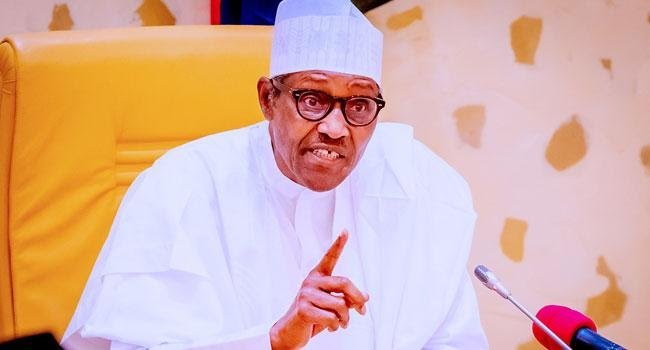
The death of former President Muhammadu Buhari marks a pivotal moment for his political veterans, particularly those rooted in the Congress for Progressive Change (CPC), the party he established over a decade ago. Since President Bola Tinubu’s rise in 2023, the influence of Buhari’s faction within the ruling APC has diminished, with prominent figures like Nasir El-Rufai openly rejecting Tinubu’s second-term ambitions.
Political observers predict Buhari’s passing may catalyze a realignment of his followers. Both the APC and the opposition African Democratic Congress are vying to capture the former president’s base, now estimated to comprise millions across Nigeria’s north.
General Abdulsalami Abubakar articulated the gravity of the event: “Politics in Nigeria will certainly change—I hope for the better.”
Bolaji Abdullahi, interim ADC spokesperson, confirmed in an interview that many Buhari allies have gravitated toward their coalition. He stated, “The entire North is already with our party… Most of the Buhari loyalists are already with us… This was his wish when he was alive.” Abdullahi named key personalities like Babachir Lawal and Rauf Aregbesola as leaders aligned with the ADC coalition, representing Buhari’s continuing influence.
He criticized the Tinubu administration for sidelining Buhari loyalists and tarnishing his legacy. “Why would they remain part of the APC, having suffered exclusion and humiliation? President Tinubu’s government has blamed Buhari for almost every economic woe.”
Conversely, numerous former CPC officials—like Senator Tanko Al-Makura and Katsina Governor Dikko Radda—remain within APC ranks, actively campaigning for the party ahead of 2027 elections. Yet, insiders acknowledge potential defections by disgruntled members feeling marginalized post-Buhari.
Ex-APC National Vice Chairman Salihu Lukman emphasized that Buhari’s absence diminishes the faction’s political clout: “We don’t have somebody with the kind of intimidating profile like that of the late Buhari.” He urged political leaders to foster humility and strengthen citizen relations rather than relying on legacy endorsements.
In reaction, APC’s Bala Ibrahim rejected any notion of mass defection, affirming loyalty to the party’s ideology: “No, they will not support ADC… They are more comfortable with APC.”
Buhari’s death also elicited diverse reactions from northern leaders. While Anthony Sani downplayed risks of major shifts within APC, Yerima Shettima cautioned against a potential leadership vacuum that could fracture party unity.
With Buhari’s departure, the Nigerian political landscape faces renewed contests for influence among his long-standing followers.