



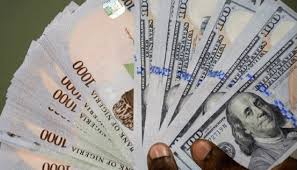
Nigeria’s foreign exchange market closed last week with the naira shedding ground, settling at 1,532.34/$, in spite of targeted support from the Central Bank of Nigeria. The depreciation, amounting to a 0.14% weekly loss, underscored both the opportunities and vulnerabilities facing Africa’s largest economy.
Early week optimism was driven by a four-month best at 1,518.88/$, but this was quickly tempered as demand outmatched the available supply. The official trading window saw the naira swing from its week high of 1,538/$ to a low of 1,515/$.
Simultaneously, the parallel market tracked a tight exchange band, reflecting the persistent shadow of informal trading on broader market sentiment (1,535/$–1,544/$).
Analysts attributed short-term stability to CBN’s routine FX liquidity injections and the positive impact of higher oil revenues. Cowry Assets Management Limited commented, “The divergent movements reflect ongoing supply-demand imbalances and the evolving FX liquidity landscape,” while maintaining optimism that, “improved oil output and elevated prices drive higher dollar inflows, which could sustain the current pace of reserve accretion.”
Encouragingly, oil sector performance improved—average daily oil production grew 3.6%, to 1.51 million barrels (excluding condensates), aligning with OPEC quotas for the first time in months.
According to AIICO Capital, “Dollar sales early and late in the week helped maintain relative stability,” and the outcome was a $422m rise in reserves, now at $37.85bn.
Looking ahead, the market is poised for the outcomes of the Monetary Policy Committee’s next meeting, with diverging opinions on interest rate direction in light of mixed inflation signals. “For now, traders are positioning around the edges, but the real signal will come from the tone of the communique,” Comercio Partners concluded