



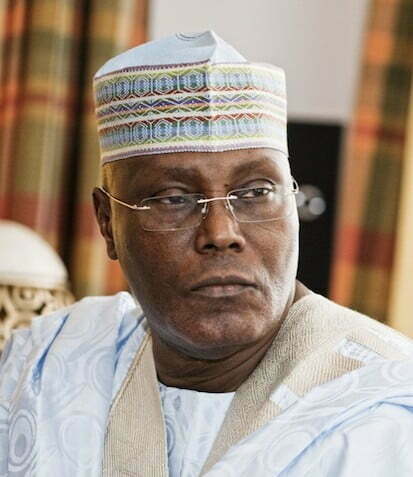
The political atmosphere ahead of Nigeria’s 2027 general elections took a new twist on Saturday as the Forum of State Chairmen of the defunct Congress for Progressives Change (CPC) issued a public clarification over a controversial visit to former Vice President Atiku Abubakar.
The group dismissed speculations that it had collectively endorsed Atiku, noting that the meeting with the opposition figure was attended by only a minority of its members.
Atiku, who has left the Peoples Democratic Party (PDP), has been engaging opposition leaders as part of his consultations for a possible 2027 presidential run. Reports indicate that he is considering joining the African Democratic Congress (ADC).
High-profile figures including former Kaduna State Governor Nasir El-Rufai, former Rivers State Governor Rotimi Amaechi, and Babachir Lawal, a former Secretary to the Government of the Federation, have already aligned with Atiku’s camp.
However, in a strongly worded statement signed by the Forum’s leaders, the group explained that only 16 of its 37 members had expressed support for Atiku, while 20 remain aligned with President Bola Ahmed Tinubu and the All Progressives Congress (APC).
The statement read partly: “As we speak however, 20 of us remain unwavering as we have lost one of our members from Borno State. This moment however calls for reflection, especially by the presidency and the APC leadership to urgently address the continued neglect of the CPC bloc, particularly the Forum of State Chairmen who are feeling increasingly alienated.”
The Forum lamented that opposition figures have consistently offered financial incentives to lure members away from the ruling party, with some unable to withstand the pressure.
It also underscored its historic role in supporting the late President Muhammadu Buhari during the CPC era, pointing to the 12.5 million votes that underscored the party’s grassroots strength.
Despite internal divisions, the Forum reaffirmed loyalty to CPC bloc leaders Senator Tanko Al-Makura, Aminu Masari, and Tajudeen Abbas, promising to remain firm while urging the presidency to address concerns of marginalisation.