



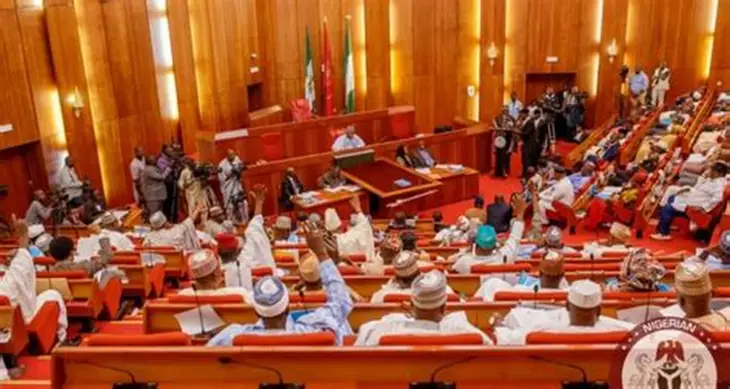
In a significant turnaround amid mounting public protests and criticism, the Nigerian Senate reconvened for an emergency plenary session today and passed an amended version of the Electoral Act 2022 (Repeal and Re-enactment) Amendment Bill 2026, incorporating a clause mandating the electronic transmission of polling unit results to the Independent National Electoral Commission’s (INEC) Result Viewing Portal (IReV). This move comes after widespread backlash following the Senate’s initial passage of the bill on February 4, which retained discretionary language on e-transmission from the 2022 Electoral Act, without making real-time uploads compulsory.
The emergency session was prompted by protests led by former presidential candidate Peter Obi and civil society organizations, who demanded stronger safeguards for electoral transparency ahead of the 2027 general elections. Senate President Godswill Akpabio, presiding over the session, clarified that the chamber had not outright rejected electronic transmission but aimed to balance it with practical considerations. However, sources indicate internal divisions, with some southern senators reportedly influencing the rejection of stricter real-time mandates in earlier deliberations.
The newly approved clause 60(3) stipulates: “That the Presiding Officer shall electronically transmit the results from each polling unit to the IReV portal. Such transmission shall be done after the prescribed Form EC8A has been signed and stamped by the Presiding Officer, and or countersigned by the candidates or polling agents where available at the polling unit.”
A key proviso was added to address potential technical failures: “Provided that if electronic transmission of results fails and it becomes impossible to transmit the results electronically in form EC8A signed and stamped by the presiding officer or countersigned by candidates or polling agents where available at a polling unit, the Form EC8A shall in such case be the primary source of collation and declaration of results.”
During the session, Akpabio put the motion—sponsored by Senator Tahir Monguno and seconded by Senator Bamoru—to a voice vote, declaring that the “ayes” had carried it. Critics argue this fallback provision echoes the 2022 Act’s ambiguities, which allowed manual processes during the 2023 elections and led to disputes over result integrity. INEC Chairman Joash Amupitan has expressed concerns over delays in finalizing the amendments, emphasizing the need for timely reforms.
The bill now proceeds to a conference committee with the House of Representatives for harmonization before presidential assent. Analysts say the amendments could reshape Nigeria’s electoral landscape, though debates over mandatory real-time transmission persist as a flashpoint for future polls.