



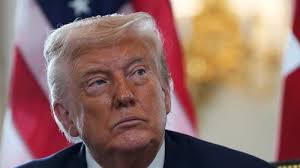
President Donald Trump has granted a 90-day extension to the current trade truce with China, a move that postpones the return of higher tariffs on Chinese imports and potentially shields American consumers from price hikes in the run-up to the November elections.
Administration officials confirmed the decision to major US outlets on Monday, noting that the new deadline will fall in early November. The White House has not yet released the official order or offered public remarks.
The existing truce was forged in May after both countries endured months of escalating tariffs, some reaching triple-digit rates. Without Monday’s intervention, the agreement would have expired Tuesday, automatically triggering steeper US levies.
Speaking before signing the order, Trump said, “We’ll see what happens. They’ve been dealing quite nicely. The relationship is very good with President Xi and me.” He also lauded the revenue generated from tariffs since his return to the White House in January, adding, “We’ve been dealing very nicely with China.”
Beijing responded with guarded optimism. “We hope that the US will work with China to follow the important consensus reached during the phone call between the two heads of state,” foreign ministry spokesman Lin Jian stated, emphasising the principles of “equality, respect and mutual benefit.”
The path to Monday’s decision was marked by tension. Even after the May breakthrough in Geneva, US officials accused China of violating parts of the pact during subsequent talks in London and Stockholm. Trade envoy Jamieson Greer stressed last month that Trump held the “final call” on any extension.
At present, tariffs remain at 30 per cent for Chinese goods and 10 per cent for US exports to China. The “reciprocal” tariff regime imposed by Trump affects most global trading partners, with rates varying by country. Some partners, such as the EU, Japan and South Korea, face 15 per cent duties, while others, like Syria, face rates as high as 41 per cent.
Trump also clarified that gold imports will not be subjected to extra tariffs, easing fears among investors.
Political analysts say the timing of the extension could help the president avoid economic disruptions during a critical electoral season, while still leaving room for a tougher stance if talks collapse before the new November deadline.