



In response to Omoyele Sowore’s recent condemnation of President Bola Ahmed Tinubu—labeling his administration as deceitful—this article presents a balanced, data-driven perspective highlighting the President’s crucial reforms, global engagements, and Sowore’s own political inconsistencies.
1. Bold Economic Reforms Deliver Tangible Results
Fuel Subsidy Removal & Strategic Reallocation
President Tinubu’s administration eliminated the fuel subsidy, saving Nigeria over ₦1 trillion within just two months of implementation .
In 2024, about ₦5.4 trillion in savings—previously lost to inefficiency and corruption—were redirected toward infrastructure and social interventions .
These actions have materially reduced the fiscal burden, improving budget flexibility and enabling investments in vital sectors like healthcare, education, roads, and energy .
Macroeconomic Stability & Growth
The IMF’s 2025 Article IV report commended the Tinubu-led reforms, including subsidy removal and FX liberalization, noting heightened investor confidence and successful taps into the Eurobond market .
Nigeria’s economy grew by 3.4% in 2024, with similar projections for 2025, driven by improved hydrocarbon output and a vibrant services sector .
Inflation declined from ~31% in 2024 to 23.7% by April 2025, indicating early stabilization under stricter macroeconomic policies .
Fiscal and External Strength
External reserves rose by approximately $6 billion, reaching $40.19 billion, bolstering financial stability .
Portfolio investments totalled $13.35 billion, while gas exports surged 48.3% to $8.66 billion, signaling improved diversification .
A balance of payments surplus of $6.83 billion in 2024—the first in three years—underscored the administration’s economic resilience.
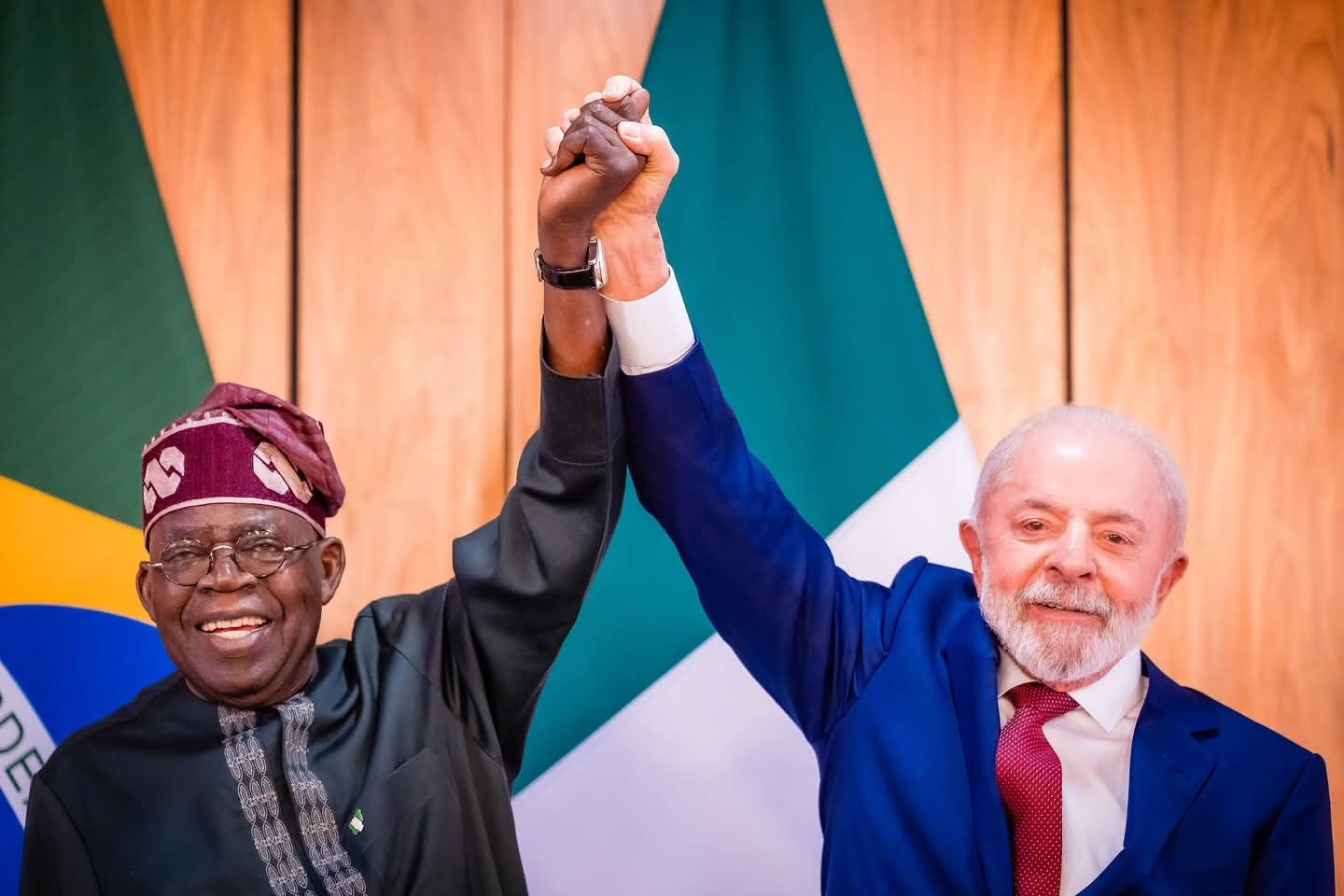
2. Brazil Visit: Strategic Partnerships, Not Empty Gestures
During his Brazil visit, President Tinubu announced that Petrobras may soon resume operations in Nigeria—marking a potential rekindling of deepwater oil collaboration .
Bilateral cooperation agreements were signed across multiple sectors: trade, energy, aviation (including an Embraer service center), science, finance, and even the establishment of a direct Lagos–São Paulo flight via Air Peace .
Nigeria’s trade with Brazil reached $2.1 billion in 2024, reflecting an evolving economic partnership .
3. The Costs of Reform—Recognized, Mitigated, and Realigned
The IMF acknowledges that while growth is holding, poverty remains high, and inflation persists, underscoring the continued need for social buffers .
Fuel subsidy savings (≈2% of GDP) and administrative efficiencies are key revenue sources the IMF identifies to maintain fiscal buoyancy.
4. Sowore’s Activism vs. Political Ambition—A Contradiction
Omoyele Sowore’s posture as a human-rights defender conflicts with his political ambitions. He has contested and lost twice in presidential elections (2019 and 2023), diluting the moral weight of his activism. By contrast, globally respected activists—such as Martin Luther King Jr., Desmond Tutu, and Malala Yousafzai—chose advocacy over electoral pursuit. Even Nelson Mandela’s eventual move into governance came after years of principled resistance and moral leadership.
If Sowore truly prioritizes the “people over power,” stepping back from electoral contests and focusing instead on impactful advocacy—without seeking office—would better align with the legacy of activist giants.
5. Nigeria’s Deep-Seated Problems Precede Tinubu
Casting blame on the Tinubu administration for Nigeria’s challenges overlooks decades-long misgovernance. Corruption, subsidy abuse, and fiscal mismanagement by past regimes created the economic quagmire now being addressed. Tinubu’s administration—though early in its tenure—is navigating these inherited burdens with bold, necessary reforms.
Conclusion: Criticism Must Be Rooted in Truth and Context
Nigeria needs informed, constructive dialogue—not populist defamation. President Tinubu’s bold reforms have already delivered measurable fiscal, monetary, and external gains. His visit to Brazil has opened strategic doors. While short-term pains are real and palpable, they must be balanced against benefits.
Omoyele Sowore, if sincere in his human-rights advocacy, owes Nigerians a shift from politicized rhetoric to truth-oriented dialogue. Our path forward will require more service, less posturing—especially from those claiming moral high ground.