



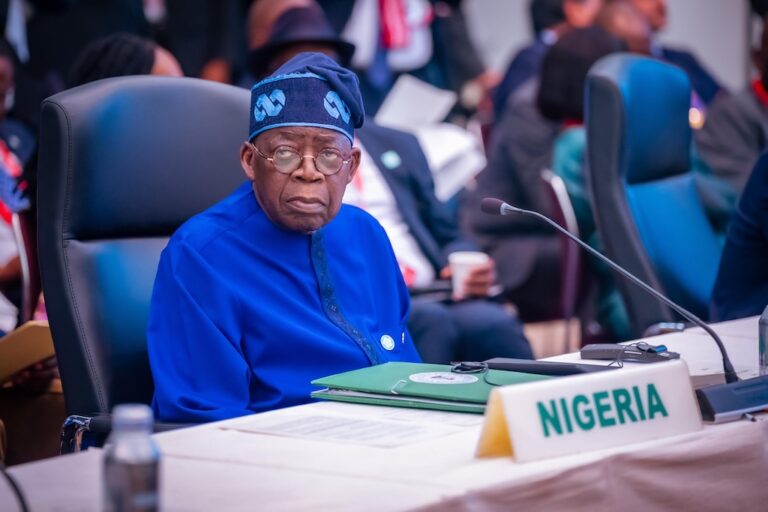
President Bola Ahmed Tinubu’s administration is spearheading one of the most comprehensive reform agendas in Nigeria’s modern history. With a clear vision rooted in fiscal discipline, infrastructural renewal, digital transformation, and social empowerment, Tinubu has positioned himself as a leader committed to reshaping Nigeria’s destiny.
Since assuming office, his bold policies have been met with both applause and scrutiny. However, the results emerging in less than two years of leadership point to a government that is steadily turning Nigeria’s economic ship around.
A Groundbreaking Fiscal and Tax Reform Agenda
At the heart of Tinubu’s policies lies a determination to restructure Nigeria’s fiscal framework. The launch of the Nigeria Tax Bill is a watershed moment for the country. By consolidating 11 different tax laws into one unified legislation, the administration has eliminated the cumbersome multiplicity of taxes that previously discouraged businesses and investors.
For everyday Nigerians, the reforms offer relief. Low-income earners, who form the backbone of the economy, now enjoy increased tax exemption thresholds up to ₦800,000 annually. Businesses, particularly medium and large enterprises, have also received a lifeline with corporate tax reduced from 30% to 25%. This move is not only pro-business but also demonstrates Tinubu’s desire to strike a balance between government revenue and economic competitiveness.
Speaking on the reforms, President Tinubu stated:
“We have taken deliberate steps to restructure and modernise our tax administration and legal framework. We are committed to creating an environment of accountability, stability, and long-term development.”
Such boldness underscores the President’s conviction that Nigeria cannot continue on a path of weak tax compliance, leakages, and inefficiencies if it must achieve sustainable growth.
Restoring Economic Confidence Through Discipline
The 2025 Budget of Restoration, valued at ₦54.99 trillion, has become a flagship of fiscal realism. Unlike previous budgets anchored on inflated expectations, Tinubu’s plan is based on achievable revenue assumptions and strategic investments.
Already, the numbers are telling a positive story. Nigeria’s Gross Domestic Product (GDP) expanded by 3.86% in the last quarter of 2024 — the fastest growth in three years. Government revenue nearly doubled within a year, from ₦12.37 trillion to ₦21.6 trillion. These achievements are a direct outcome of deliberate reforms that focus on discipline, transparency, and efficiency.
Tinubu reassured Nigerians:
“The past year tested our resolve. But through economic discipline and strategic reforms, we achieved what many deemed impossible. After the initial turbulent take-off, our people can see signs of progress and the promise of a better future. Our economy is turning the corner.”
This message of resilience resonates with many Nigerians who are beginning to see tangible improvements in stability and investor confidence.
Infrastructure and Digital Transformation Driving Growth
Tinubu’s government understands that no economy can thrive without strong infrastructure. Massive road networks, railway expansions, and power generation projects are now underway, many through innovative public-private partnerships. These projects are expected to reduce transportation costs, increase market access, and unlock Nigeria’s vast economic potential.
Simultaneously, Tinubu is pushing Nigeria into the digital future. The Digital Nigeria Program is a landmark initiative focused on broadband expansion, technology adoption, and digital literacy. The government has already embarked on training three million Nigerian youths in digital skills, while setting a target of 70% national digital literacy by 2027. This not only positions Nigeria as a technology hub in Africa but also secures opportunities for the next generation.
Social and Educational Reforms: Empowering the People
No reform is complete without human capital investment. Recognizing this, Tinubu has introduced interest-free student loans through the Nigerian Education Loan Fund (NELFUND), ensuring that financial hardship no longer stands as a barrier to higher education. For thousands of Nigerian students, this policy represents hope, empowerment, and access to a future once denied.
Additionally, the President has prioritized local government autonomy, strengthening grassroots governance. By empowering local councils with greater fiscal independence, communities are now better equipped to respond to citizen needs in real time.
Experience and Determination as Key Assets
Critics often highlight the challenges of implementing large-scale reforms in a complex federation like Nigeria. However, Tinubu’s record as former governor of Lagos State offers a strong precedent. In Lagos, he successfully grew revenue, modernized infrastructure, and attracted investments, laying the foundation for the state’s current prosperity.
Now at the national stage, Tinubu is applying similar principles — a combination of bold vision, tough decisions, and pragmatic governance. His administration has shown that despite initial turbulence, reforms can produce results when guided by discipline and consistency.
Conclusion: A President on a Mission to Rebuild Nigeria
President Bola Ahmed Tinubu’s blueprint for Nigeria is not without hurdles, but it carries a clear roadmap toward renewal. His administration has balanced fiscal prudence with social investment, created pathways for digital innovation, and committed to infrastructure development on an unprecedented scale.
As the country moves toward the 2027 elections, the administration’s performance will be judged not by political rhetoric but by visible progress — improved jobs, stabilized prices, better infrastructure, and empowered youths.
With reforms already bearing fruit, Tinubu’s leadership is demonstrating that Nigeria’s challenges, though significant, are not insurmountable. What is emerging is a vision of an inclusive, resilient, and prosperous Nigeria.