



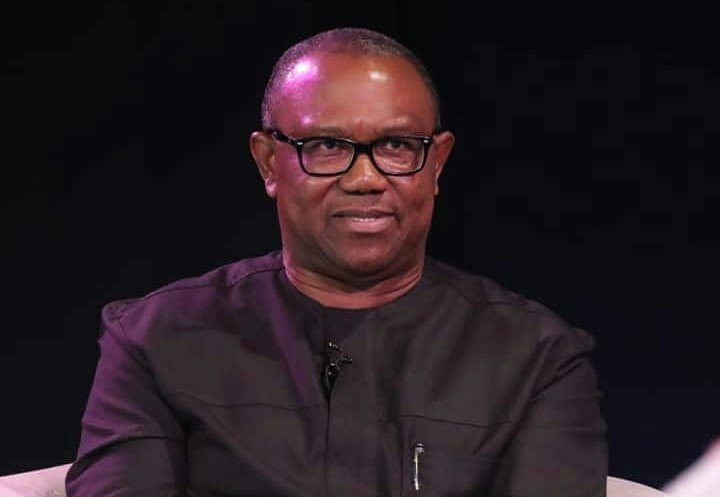
Peter Obi has sparked widespread discussion after calling for dialogue with violent groups, including the Indigenous People of Biafra (IPOB), instead of relying solely on long prison sentences. He argued that negotiation could be a more effective way to address Nigeria’s long-standing security challenges.
Obi stated that engaging in talks has successfully resolved conflicts in other countries and that Nigeria should explore similar approaches. “Dialogue should not be ignored,” he said, highlighting the potential for negotiation to reduce violence while addressing the political and social issues that fuel extremism.
His remarks have sharply divided opinions. Supporters describe Obi’s view as a practical solution aimed at tackling the root causes of insecurity. Critics, however, see it as a weak stance on violent groups, especially at a time when citizens demand justice and stronger security enforcement.
According to sources familiar with diplomatic discussions, Obi’s comments follow recent efforts by international partners encouraging Nigeria to adopt wider reconciliation measures to calm troubled regions. Security specialists have warned, though, that negotiating with armed factions might strengthen extremist groups and undermine ongoing military and police operations.
The debate comes as leaders in the South-East continue to push for inclusive national talks, while the federal government maintains a strict policy against IPOB. Obi’s position has renewed discussions on balancing justice, national unity, and long-term strategies for peace in Nigeria.