



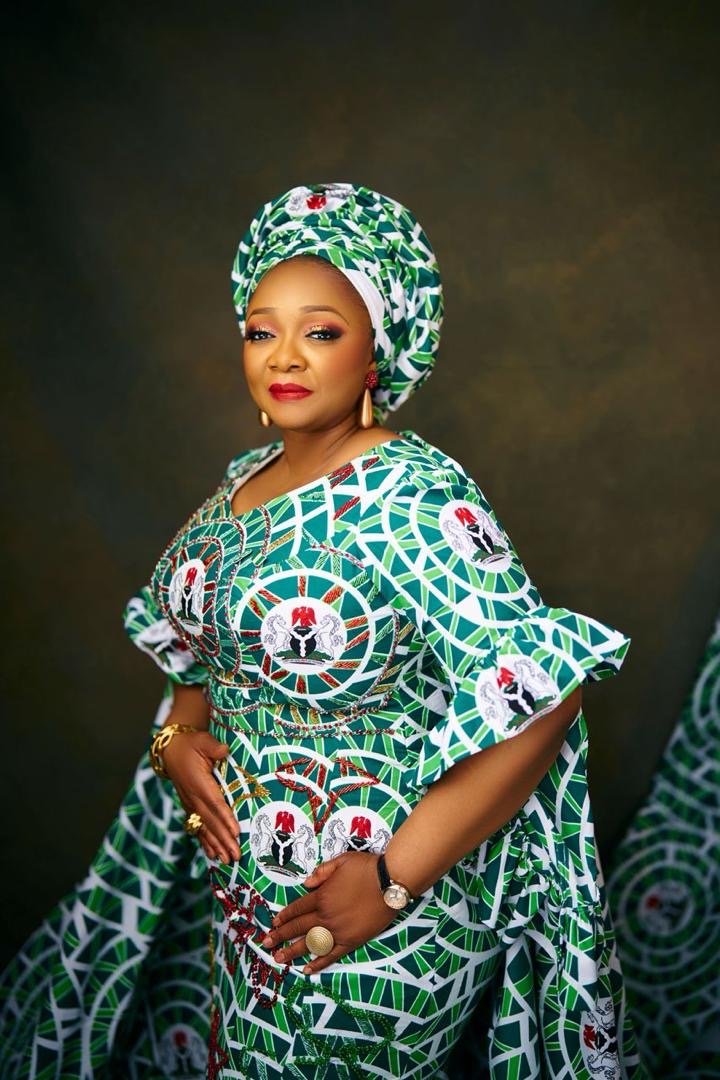
Nigeria’s renewed push for inclusive social development took a decisive leap forward with the signing of a Memorandum of Understanding (MoU) between Nigeria and Türkiye, led by the Minister of Women Affairs and Social Development, Imaan Sulaiman-Ibrahim.
Signed during President Bola Ahmed Tinubu’s official state visit, the agreement places women, children, and vulnerable populations at the heart of Nigeria’s evolving diplomatic and development agenda.
Beyond ceremony, the MoU reflects a results-driven vision: using global partnerships to accelerate real social impact at home.
Under Sulaiman-Ibrahim’s leadership, the MoU zeroes in on practical, high-impact priorities, economic empowerment, entrepreneurship, and mentorship for women, alongside stronger family systems and child protection frameworks.
By aligning Nigeria’s social development goals with Türkiye’s institutional experience, the agreement creates a pathway for knowledge exchange and scalable programmes that can translate policy into measurable improvements in everyday lives.
Notably, the MoU adopts an inclusive lens that goes beyond women and children alone. Persons with disabilities and senior citizens are explicitly prioritised, reinforcing the minister’s broader commitment to dignity, participation, and active ageing.
This reflects a modern understanding of social development, one that recognises the care economy as a cornerstone of sustainable growth and positions families as engines of national resilience.
Sulaiman-Ibrahim’s declaration that the ministry intends to work “faster and smarter” to impact 50 million Nigerians by 2030 underscores the ambition behind the partnership.
The agreement also supports Nigeria’s first National Action Plan on families, demonstrating a shift from fragmented interventions to coordinated long-term social investment.
It is a strategic response to Nigeria’s persistent challenges in gender inequality and child welfare, areas where global rankings have highlighted the urgency for reform.
In this context, the Türkiye-Nigeria MoU stands out as more than a diplomatic milestone. It is a statement of intent. By leveraging international cooperation to tackle deep-rooted social gaps, Imaan Sulaiman-Ibrahim is positioning her ministry as a central driver of inclusive growth.
Finally, if effectively implemented, the partnership could mark a turning point in Nigeria’s journey toward equity, protection, and opportunity for its most vulnerable citizens.