



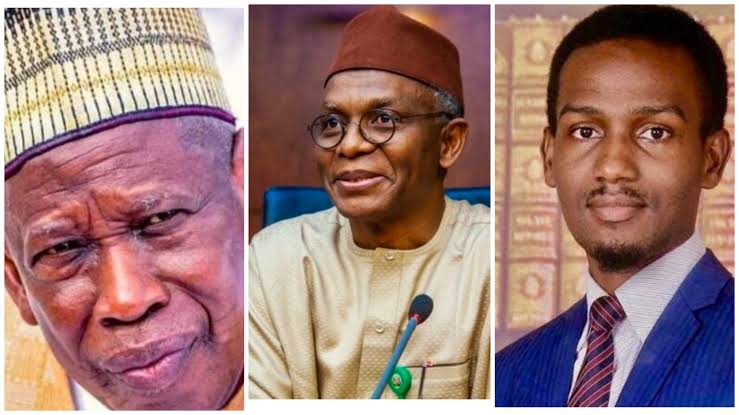
In a cryptic social media post that has ignited fresh debate over one of Nigeria’s most enduring mysteries, Bashir Nasir El-Rufai, son of former Kaduna State Governor Nasir El-Rufai, has implicated former All Progressives Congress (APC) National Chairman Abdullahi Umar Ganduje in the 2019 disappearance of social media activist Abubakar Idris, popularly known as Dadiyata.
The post, shared on X (formerly Twitter) on February 17, 2026, reads: “Ganduje = Dadiyata. Those who know, know very well. Let’s pray that police officer is located Insha Allah kawai. All this diversion to their worst nightmare (El-Rufai) is an exercise in futility & a means to divert attention from the person they are fully aware is the culprit.”6831af
Dadiyata, a lecturer and outspoken critic of political figures, was abducted from his residence in Barnawa, Kaduna, on August 2, 2019, by unidentified gunmen as he returned home in the evening.eee5e8 His whereabouts remain unknown nearly seven years later, with no arrests or official resolutions despite widespread calls for investigation. Dadiyata was known for his vocal opposition to both the Kaduna and Kano state governments during the tenures of El-Rufai and Ganduje, respectively, often aligning with the Kwankwasiyya movement associated with former Kano Governor Rabiu Kwankwaso.
Bashir El-Rufai’s statement appears to reference recent public exchanges between his father and Ganduje. In a February 13, 2026, interview on Arise Television, Nasir El-Rufai denied any involvement in Dadiyata’s abduction, stating, “It was Ganduje that was his problem. I didn’t even know him… If anybody is to be asked about the disappearance of Dadiyata, it is the Kano State Government; it has nothing to do with the Kaduna State Government.” El-Rufai further claimed that a police officer, transferred from Kano to Ekiti State, had confessed to being part of a team sent from Kano to abduct Dadiyata, expressing remorse over the incident.
Ganduje swiftly rejected these allegations, describing them as “reckless, unfounded and a clear attempt to shift responsibility for an incident that occurred entirely within Kaduna State.” In a statement issued through a former commissioner, Ganduje emphasized that Dadiyata resided in Kaduna and primarily targeted the Kaduna administration with his criticisms, not Kano’s. He called for scrutiny of El-Rufai’s claims and expressed concern over the mention of an alleged police confession, urging authorities to investigate the matter thoroughly.
The post has drawn mixed reactions online. Some users accused the El-Rufai family of withholding information for years, with one commenter stating, “You and your father cannot suddenly push this to Ganduje. You once confessed about killing Dadiyata.” Others called for prayers and justice, while political analysts suggested the exchange stems from lingering rivalries within the APC, especially after El-Rufai’s exclusion from key positions in the current administration.
The New Nigeria Peoples Party (NNPP) in Kano has urged Governor Abba Kabir Yusuf to probe El-Rufai’s allegations against Ganduje. Meanwhile, the Department of State Services (DSS) has confirmed it is investigating El-Rufai and his sons over potential links to the case, citing the seizure of El-Rufai’s passport as part of ongoing inquiries.
Human rights groups, including Amnesty International, have long criticized the government’s silence on Dadiyata’s fate, labeling it a symbol of impunity in Nigeria’s handling of enforced disappearances. As the controversy reignites, calls for an independent investigation into both former governors’ potential roles continue to grow, with observers noting that the truth may lie in a possible collaboration between the two leaders to silence a shared critic.