



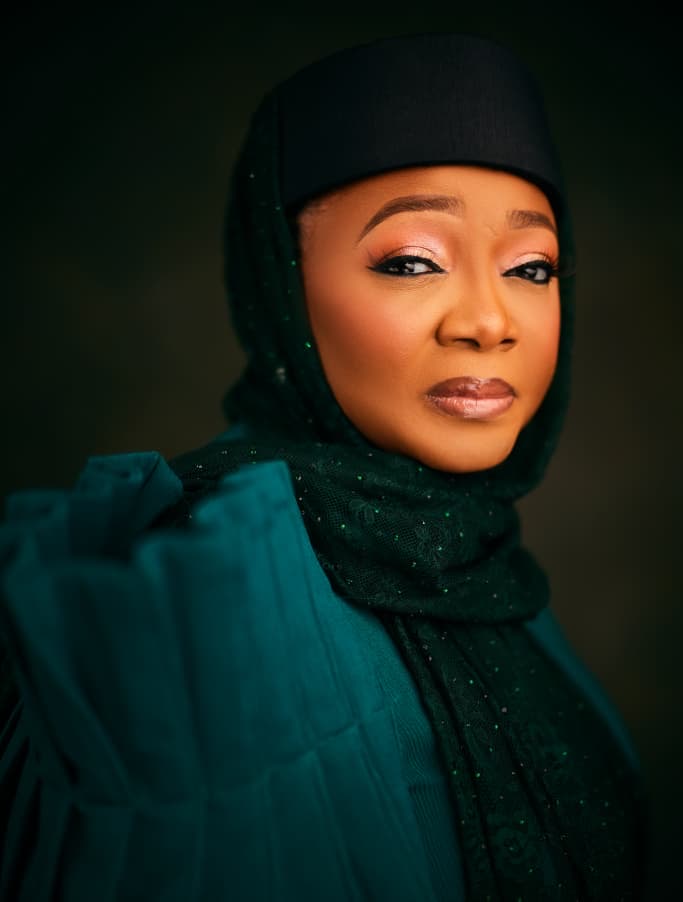
The bold demand for an improved budget for the Federal Ministry of Women Affairs and Social Development by Imaan Sulaiman-Ibrahim is more than a fiscal appeal, it is a strategic alignment with the inclusive development vision of President Bola Ahmed Tinubu. At the heart of the Renewed Hope Agenda is the promise that no segment of society will be left behind, and the minister’s insistence on adequate funding reflects a determination to translate that promise into measurable impact for millions of Nigerian women and vulnerable groups.
During her presentation before the Senate Committee on Women Affairs, Sulaiman-Ibrahim exposed the stark contradiction between approved budgets and actual releases, revealing that only a fraction of the 2025 capital allocation was made available, and too late to be utilised. Rather than allowing this structural setback to stall progress, her call for an upward review of the 2026 allocation demonstrates a results-driven leadership style that mirrors the Tinubu administration’s emphasis on performance, transparency, and institutional effectiveness.
Her advocacy speaks directly to the President’s economic and social reform priorities. Empowering women is not a standalone agenda; it is central to poverty reduction, food security, job creation, and national stability, all key pillars of the current administration. With Nigerian women dominating the informal economy and playing critical roles in agriculture and small businesses, strengthening the ministry’s capacity becomes a direct investment in the success of the Renewed Hope economic blueprint.
The concerns raised by the Senate over poor fund releases further highlight the systemic challenges the Tinubu administration is already working to correct through fiscal discipline and public finance reforms. By openly presenting these gaps, the minister has positioned her ministry within the broader reform conversation, reinforcing the President’s commitment to ensuring that budgetary provisions translate into real development outcomes for citizens.
What makes this moment significant is the synergy between political will and institutional vision. Sulaiman-Ibrahim’s push for a realistic and implementable budget reflects a government that understands that social development ministries are not ceremonial structures but engines for national transformation. Her stance embodies the President’s governance philosophy, bold, people-focused, and anchored on long-term impact rather than short-term optics.
In the final analysis, the minister’s request is a patriotic call to fully activate one of the most powerful drivers of national growth: Nigerian women. With President Tinubu’s reform-oriented leadership providing the policy framework, and a proactive minister demanding the tools to deliver, the message is clear, Renewed Hope is not just about economic recovery, but about building a nation where women are funded, protected, empowered, and positioned as central actors in Nigeria’s march toward prosperity.