



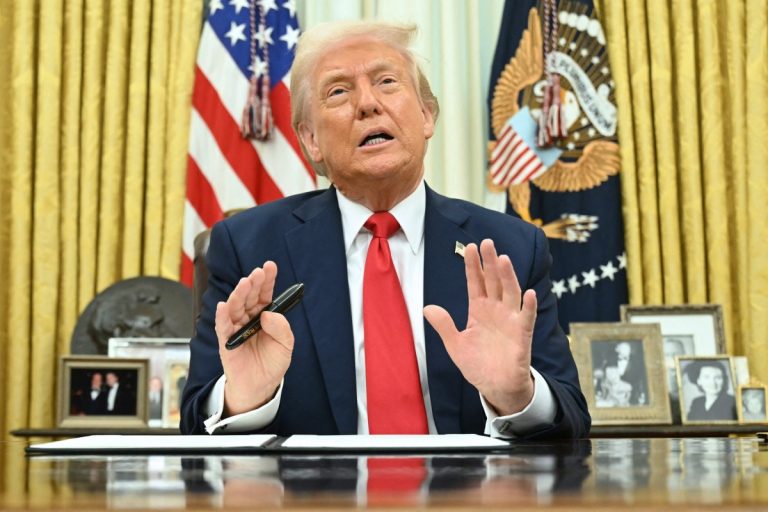
The U.S. Senate has passed a contentious bill requested by President Donald Trump’s administration to cancel $9.4 billion in foreign aid and halt federal funding for NPR and PBS broadcasters. The measure passed narrowly with a 51-48 vote and now heads to the House of Representatives for final approval expected by July 18.
This legislative push arises from concerns over government spending waste, with the Department of Government Efficiency designating the targeted funds as “wasteful.” House Speaker Mike Johnson revealed the White House’s June request to rescind these allocations, signaling a strategic reprioritization of federal resources.
Earlier in May, President Trump had issued an executive order stripping NPR and PBS of government funding, justifying the action by accusing the networks of “biased reporting.” The announcement drew immediate legal challenges, as NPR alongside several Colorado radio stations launched a lawsuit on May 27, contending that these funding cuts infringed on press freedoms.
This intersection of budgetary austerity and media politics intensifies debates over federal priorities, journalistic independence, and the scope of U.S. foreign aid.