



The United States mission to Nigeria has publicly clarified it will no longer tolerate the practice of traveling to America solely to give birth for citizenship purposes. Such applicants will face visa refusals, according to a recent communication on social media.
The advisory declared that using a U.S. visa with “the primary purpose of giving birth” to secure citizenship for a child is prohibited, informing Nigerian applicants to refrain from such intentions.
This new enforcement aligns with a broader U.S. policy perceived as restrictive towards Nigerian immigrants, with seasoned diplomat Ogbole Amedu-Ode framing it as a continuation of the “Trump 2.0” immigration approach. He acknowledged the existence of Nigerians who seek to exploit birthright citizenship by delivering babies on American soil.
Amedu-Ode commented, “The U.S. government’s effort to ‘make America great again’ involves tightening visa issuance to curb such practices.” He also hinted that Nigeria should consider reciprocal diplomatic responses.
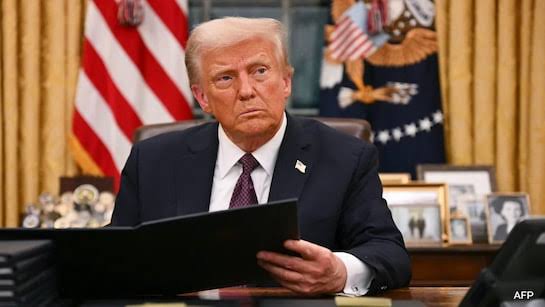
Concerns were echoed by former Nigerian Consul to Cameroon, Ambassador Rasheed Akinkuolie, who emphasized the imprudence of visibly pregnant Nigerian women attempting trips to the U.S. at this juncture. He pointed to President Trump’s controversial moves aiming to revoke citizenship for children born to immigrants, complicating visa approvals.
Akinkuolie also noted that airlines typically restrict boarding for heavily pregnant passengers due to the risks involved, including costly emergency flight diversions.
The Nigerian Medical Association (NMA) underscored that the fundamental challenge remains within Nigeria. NMA President Professor Bala Audu said that restrictions abroad won’t eliminate medical tourism unless the country invests in healthcare infrastructure and improves hospitals’ conditions.
He remarked, “Many Nigerians seeking to deliver abroad do so primarily for citizenship, not medical reasons. We are Nigerians; our priority should be to improve local healthcare.” The NMA urged government focus on systemic reforms rather than viewing foreign policy decisions as a fix.