



By Deji Adesogan
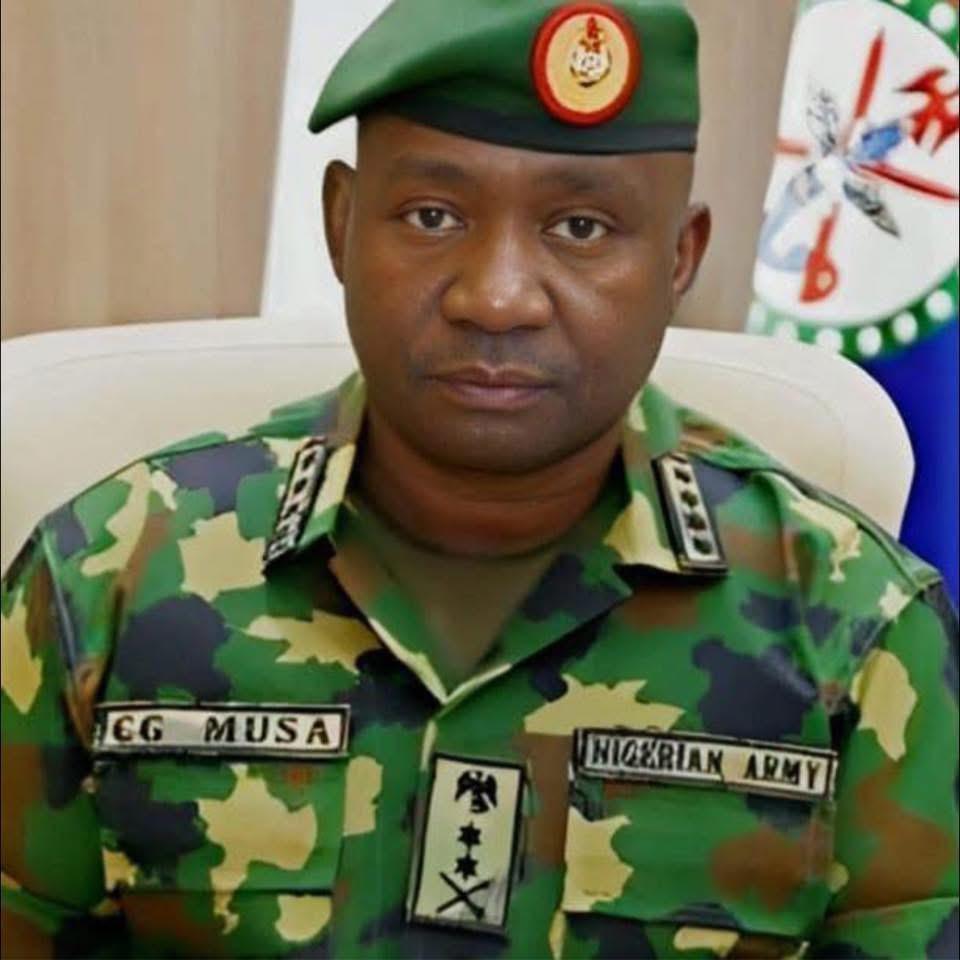
At a time when Nigeria is grappling with escalating security challenges and facing external pressures including the looming threat of sanctions and scrutiny from the United States over rising insurgency financing and related security concerns the appointment of General Christopher Gwabin Musa (rtd.) as Minister of Defence could not have come at a more critical moment. Many Nigerians may not fully appreciate how different this role is from his previous position as Chief of Defence Staff (CDS), and why he is now empowered to deliver reforms that were impossible under the constraints of the military hierarchy. The difference is not just administrative it is structural, political, and transformative.
As CDS, Musa held the highest uniformed military rank but had little real authority over budgets, procurement, or defence policy. Every decision required political approval, often delayed or diluted by competing interests. He operated within a system rife with interference, bureaucracy, and weak command cohesion. Even sound recommendations depended on actors whose priorities were not always aligned with operational realities. He could lead troops with distinction, but he could not fix a system that was fundamentally broken.
During his Senate screening, Musa outlined his priorities as Defence Minister: modernising equipment, improving troop welfare, strengthening intelligence coordination, and streamlining procurement. He promised a unified chain of command and greater collaboration with other security agencies, signaling an end to fragmented leadership. Nigerians responded with excitement online, hailing Musa as a “seasoned professional finally empowered to deliver change.” Hashtags praising his integrity, experience, and commitment to reform quickly began trending, reflecting renewed hope for national security.
As Minister of Defence, Musa now controls policy, budgets, procurement, and strategic direction. He can select his team, restructure critical units, enforce accountability, and remove political obstacles that previously slowed progress. With direct access to the President, he can ensure swift decisions and implement reforms without bureaucratic bottlenecks. The difference is clear: he is no longer limited to advising on reforms he can execute them.
Beyond internal reform, Musa’s appointment also strengthens Nigeria’s position on the international stage. By instituting effective oversight of military operations, improving intelligence and operational coordination, and tackling systemic weaknesses, he can address the concerns that have drawn US scrutiny and avert potential sanctions. A more accountable and capable defence apparatus signals to global partners that Nigeria is serious about countering insurgency financing, enforcing security protocols, and stabilising the country’s strategic environment.
A CDS may excel in strategy, but cannot correct systemic or political failures. As Defence Minister, Musa can reshape the system itself, creating the conditions necessary for sustainable success. Nigeria’s past security setbacks were rarely the fault of field commanders they stemmed from fragmented leadership, political meddling, inconsistent policies, and procurement failures. Musa’s limitations were institutional, not personal.
Now, he has the mandate, authority, and tools to rebuild what was broken, strengthen what was weak, and modernise the Armed Forces. With sufficient political will, he can achieve results that were previously out of reach.
Nigeria is watching. The challenges are immense, but so is the opportunity. The country demands results, not excuses. General Musa, armed with authority, autonomy, and direct access to the President, finally has the chance to deliver the leadership and reforms that the Ministry of Defence, the Armed Forces, and the nation have long awaited.
Deji Adesogan is a security analyst and digital communications expert. He can be reached via [email protected] or on X (Twitter) @DejiAdesogan.