



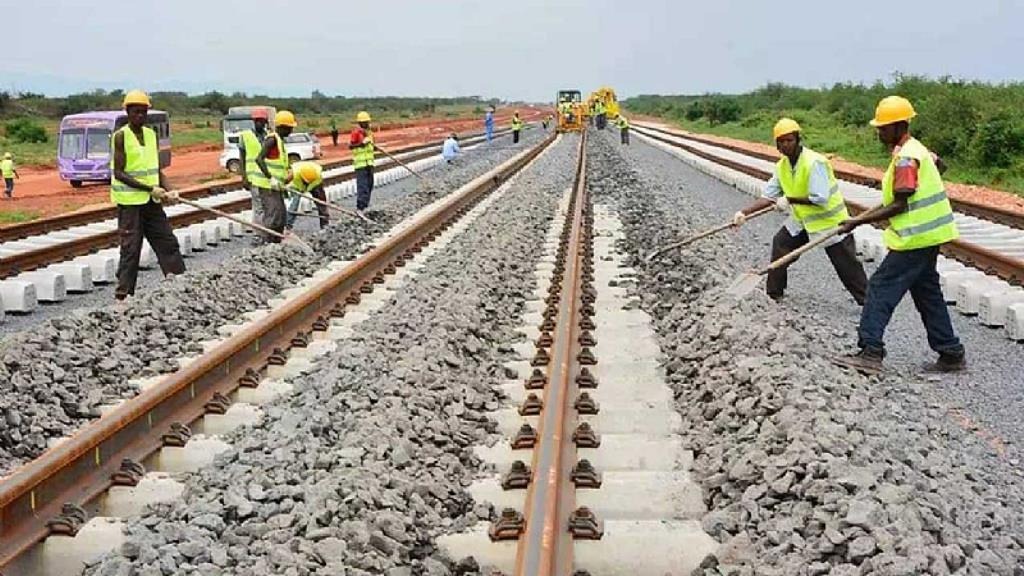
The latest approvals by the Federal Executive Council (FEC) reflect a significant step in advancing the infrastructure-driven agenda of President Bola Ahmed Tinubu’s administration.
With $2.99 billion committed to three major rail projects across Lagos, Kano, and Kaduna, the government is making a clear statement: economic growth must be built on the backbone of modern, functional infrastructure.
At the heart of this decision is a strategic understanding that mobility drives productivity. As Minister of Finance and Coordinating Minister of the Economy, Taiwo Oyedele, explained, efficient transport systems are not just conveniences; they are essential tools for unlocking growth, reducing the costs of doing business, and improving everyday life.
The projects themselves reflect a targeted approach. The Lagos Green Line Rail will connect Marina to Lekki, a corridor widely regarded as one of sub-Saharan Africa’s most commercially vibrant zones.
By easing congestion and improving access, the rail line is expected to boost commerce, real estate value, and workforce mobility in Nigeria’s economic capital.
In the north, the Kano Metro City Rail and Kaduna Light Rail projects aim to modernize transportation in key urban centers that serve as commercial and industrial hubs.
These investments recognize the importance of balanced regional development, ensuring that economic opportunities are not concentrated in one part of the country alone.
What stands out is the administration’s focus on impact. As Oyedele noted, these cities represent areas where targeted investment can yield outsized results: a pragmatic “high-impact zones” strategy designed to maximize returns on public spending.
Beyond transportation, the FEC’s decision to establish a presidential task force on power sector reform underscores a broader reform agenda.
By addressing structural issues in electricity-another critical pillar of economic activity-the administration is signaling its intent to tackle longstanding bottlenecks that have constrained Nigeria’s growth.
Taken together, these moves suggest a coordinated effort to lay the foundations for sustained economic expansion.
Rail networks improve connectivity, power reforms enhance productivity, and both contribute to a more competitive business environment.
While execution will ultimately determine success, the direction is clear: the Bola Ahmed Tinubu administration is prioritizing infrastructure as a catalyst for development, aiming to translate policy into tangible improvements in how Nigerians live and work.