




Recent statistics illustrate that Nigeria sells raw cocoa for about $8,000 per tonne. Process that same cocoa into butter, and the value rises to roughly $48,000. Turn it into finished chocolate products, and the earnings can reach as high as $240,000 per tonne.
For decades, this stark reality has highlighted one of Nigeria’s biggest economic challenges: exporting wealth in its raw form while importing prosperity in finished products.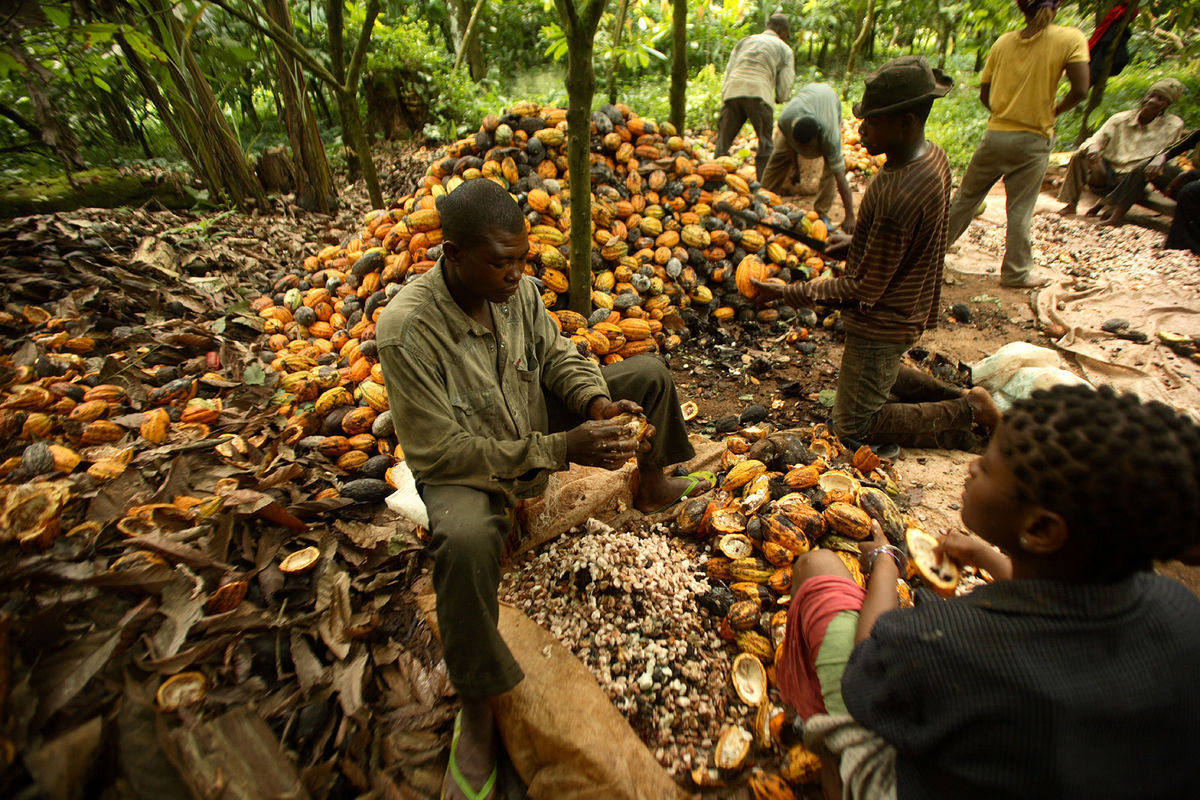
The question has never been about whether Nigeria has the resources. The question has been whether the country has the political will to move up the value chain.
Today, the administration of President Bola Ahmed Tinubu is laying the foundation for that transformation.
The Renewed Hope economic agenda is built on a simple but powerful principle: Nigeria must become a nation that produces, processes, and exports finished goods rather than relying primarily on raw commodity exports. Whether in agriculture, solid minerals, manufacturing, or energy, the goal is the same: retaining more value within the Nigerian economy.
The cocoa sector presents one of the clearest examples of this opportunity. Nigeria remains one of the world’s leading cocoa producers, yet the overwhelming majority of the value created from cocoa is captured elsewhere.
Foreign companies process Nigerian cocoa into butter, powder, confectionery products, and premium chocolate brands, earning many times what Nigerian farmers and exporters receive.
This is precisely why the Tinubu administration’s emphasis on industrialization, investment attraction, infrastructure development, and economic reforms matters.
Sustainable prosperity will not come merely from producing more cocoa. It will come from building factories, supporting agro-processing industries, improving access to power, strengthening logistics networks, and creating an environment where investors can profitably manufacture in Nigeria.
The recent economic reforms, though challenging in the short term, are intended to create a more competitive and investment-friendly economy capable of supporting large-scale production. Industrial growth requires capital, infrastructure, stable policies, and market confidence. These are the building blocks the administration is seeking to establish.
The cocoa value chain is only one example. The same principle applies to cashew, sesame, cotton, lithium, gold, and numerous other Nigerian resources.
Every time Nigeria exports raw materials without processing them, jobs, tax revenues, technology transfer, and industrial capacity are exported alongside them.
The future belongs to countries that add value, not just to those that extract resources.
Nigeria’s path to becoming a trillion-dollar economy will not be paved by selling commodities at their lowest value. It will be driven by factories, processing plants, industrial parks, and globally competitive Nigerian brands.
The choice before the nation is clear. Nigeria can continue earning $8,000 from raw cocoa exports, or it can build an economy capable of capturing the $240,000 opportunity.
The encouraging reality is that the Tinubu administration has made industrialization and value addition central pillars of its economic vision.
The task now is to accelerate implementation, attract investment, and ensure that Nigerian products increasingly reach global markets not as raw materials but as finished goods proudly made in Nigeria.
That is how nations create wealth. That is how jobs are created. And that is how Nigeria can finally capture the full value of its abundant resources.