



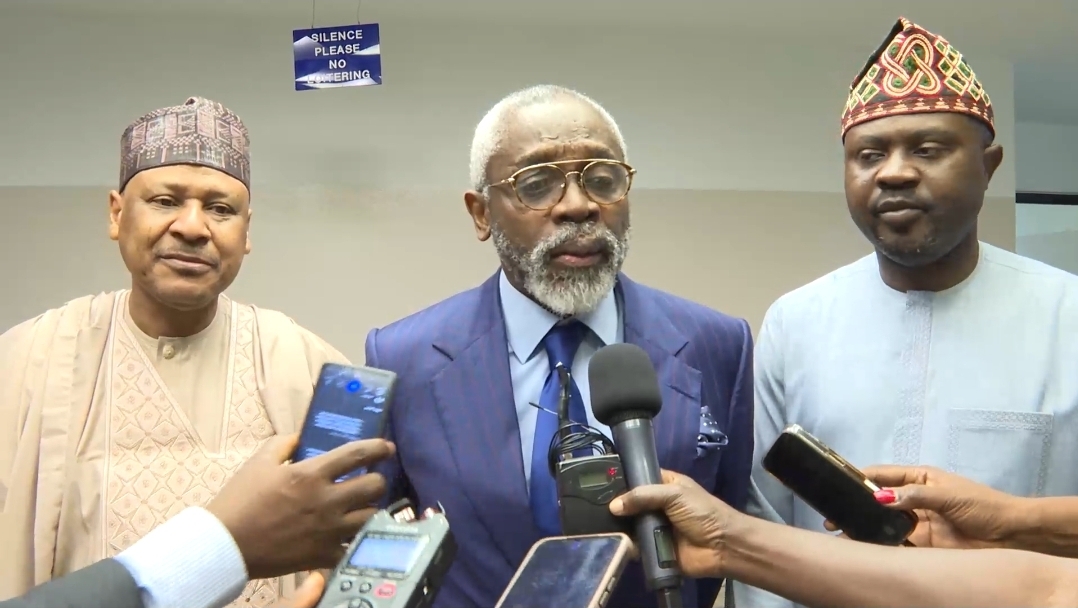
The Federal Government has intensified efforts to prevent a potential outbreak of Ebola Virus Disease (EVD), with the inauguration of a national preparedness framework aimed at ensuring the country remains free of the deadly virus.
Speaking after the inauguration of the Ebola preparedness initiative, the Chief of Staff to President Bola Ahmed Tinubu, Femi Gbajabiamila said Nigeria currently has no reported case of Ebola, describing the situation as encouraging but one that requires sustained vigilance.
He stressed that the government’s approach is focused on prevention rather than response, noting that authorities are determined to avoid a repeat of the challenges experienced during the 2014 Ebola outbreak.
“We’ve covered a lot of grounds right now. There’s no case reported and that’s good news. All hands have to be on deck to make sure that these are preventive moves we’re making, not curative,” he said.
According to him, several subcommittees have been established to coordinate key aspects of the country’s preparedness and response strategy. These include committees on health surveillance, border control, immigration, and other critical sectors, with the Nigeria Centre for Disease Control and Prevention (NCDC) taking the lead role in coordinating efforts.
The Chief of Staff expressed confidence that Nigeria would emerge as a model for Ebola preparedness on the continent.
“Nigeria will take the lead amongst African nations. We will not follow; we will take the lead,” he stated.
Gbajabiamila highlighted the strong collaboration between the Federal Government and state governments, particularly states with international airports, including Lagos, Rivers, Enugu, and the Federal Capital Territory.
Beyond airports, the government is placing significant emphasis on monitoring and securing land borders, recognizing the high volume of cross-border movement through neighboring countries.
“Normally when people talk about emergency preparedness and cross-border diseases, they think about airports. But this time we’re not focusing only on airports. We’re putting a lot of emphasis on land borders because we have a lot of cross migration through those routes,” he said.
The Chief of Staff noted that the Border Communities Development Agency, immigration authorities, and border communities are actively involved in the preparedness plan.
He added that lessons learned from Nigeria’s successful containment of Ebola in 2014 are being incorporated into the current strategy to eliminate gaps in the response system.
“We’ve learnt a lot of lessons from the last outbreak in 2014, and we’re building on those gains and putting structures in place so there are no lacunas. What we want is a zero case,” he said.
The renewed preparedness efforts come amid heightened vigilance across Africa over the threat of cross-border infectious disease outbreaks, with health authorities seeking to strengthen surveillance, coordination, and rapid response mechanisms nationwide.