



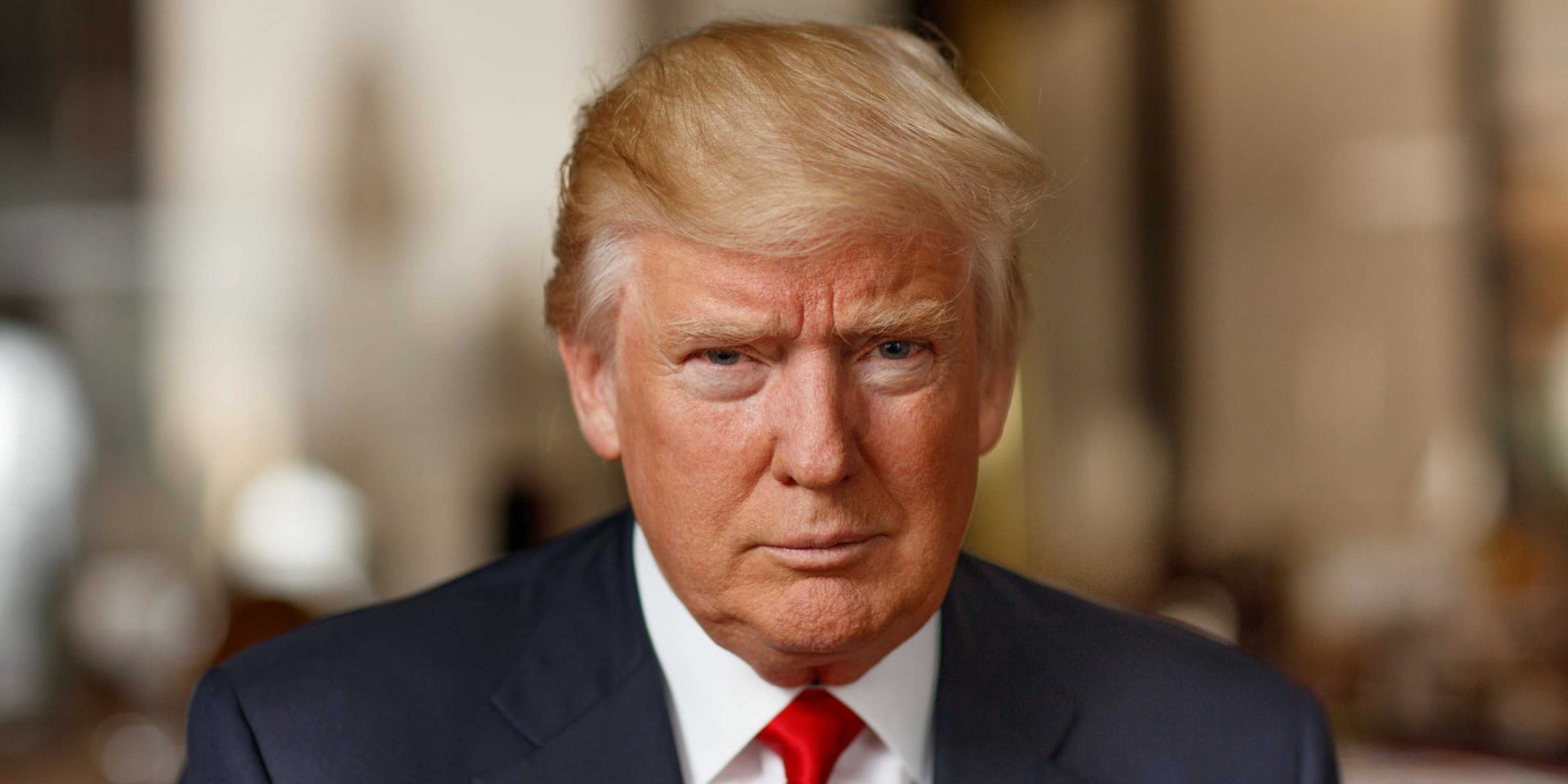
A retired sociology professor from the University of Lagos, Lai Olurode, has said that the recent threat by former United States President Donald Trump to take military action against Nigeria is motivated by racial bias, economic rivalry, and political manipulation.
Professor Olurode, who once served as a national commissioner with Nigeria’s Independent National Electoral Commission (INEC), said Trump’s claim that Christians were facing genocide in Nigeria was only an excuse to pursue deeper political and economic goals.
Trump had recently named Nigeria a “Country of Particular Concern” and warned that his administration would consider military steps if the alleged persecution of Christians continued. However, the Nigerian government dismissed the accusation as false, saying insecurity in the country affects both Muslims and Christians.
In a statement cited by Premium Times, Olurode said Trump’s allegations were “a smokescreen hiding other motives.”
“Nigeria has suffered attacks that affect all groups. Terrorists have targeted soldiers, markets, schools, and worship centers for both Christians and Muslims,” he said. “Under the present administration, there are early signs that terrorism is even reducing.”
Economic Interests Behind Trump’s Threat
The professor linked Trump’s comments to Nigeria’s growing economic independence, especially through the Dangote Refinery, which has reduced the country’s reliance on foreign oil imports.
“For the first time, Nigeria is refining its own oil. This change means less dependence on American oil workers and refineries,” he explained. “The Dangote project must be troubling for America because it challenges the old pattern where Africa was kept dependent.”
Olurode added that Trump’s record showed clear prejudice against non-white nations.
“Since his campaign days, Trump has shown dislike for black and colored people,” he said. “His immigration policies reflected racial discrimination and weakened the image of the United States as a diverse society.”
Fears Over Nigeria’s Rising Global Influence
According to Olurode, Nigeria’s growing cultural and democratic influence is another reason some Western leaders feel uneasy.
“Nigerians abroad are not just workers; they represent our culture through music, art, and business,” he said. “This new influence in Western cities is something Trump and his supporters do not appreciate.”
He added that powerful countries often try to weaken new democracies like Nigeria, fearing their progress and unity.
“America’s dominance often depends on keeping developing nations unstable,” Olurode stated. “Many world powers never expected Nigeria to maintain over 25 years of uninterrupted democracy.”
Olurode urged President Bola Tinubu to respond with calm and diplomacy while calling on national leaders to remain united in defending Nigeria’s sovereignty.
“If Nigeria collapses, there will be no country left for our shared future,” he warned.
Kwankwaso Urges Dialogue, Not Threats
In a related statement, former Kano State Governor and New Nigeria Peoples Party (NNPP) presidential candidate, Senator Rabiu Musa Kwankwaso, said the United States should support Nigeria in fighting insecurity instead of issuing military threats.
Kwankwaso described Nigeria as a sovereign nation facing complex security issues that affect all ethnic and religious groups. He advised Washington to cooperate with Nigeria through technology and intelligence sharing.
“The United States should help with advanced tools to fight terrorism rather than make threats that can divide us further,” Kwankwaso said.
He also suggested that Nigeria appoint special envoys to strengthen diplomatic engagement with the United States.
Nigeria’s Foreign Ministry Reacts
Nigeria’s Ministry of Foreign Affairs also dismissed Trump’s claims, saying they do not reflect the reality of the country’s situation. The ministry emphasized that the government does not support any form of religious persecution and continues to work to end insecurity nationwide.