



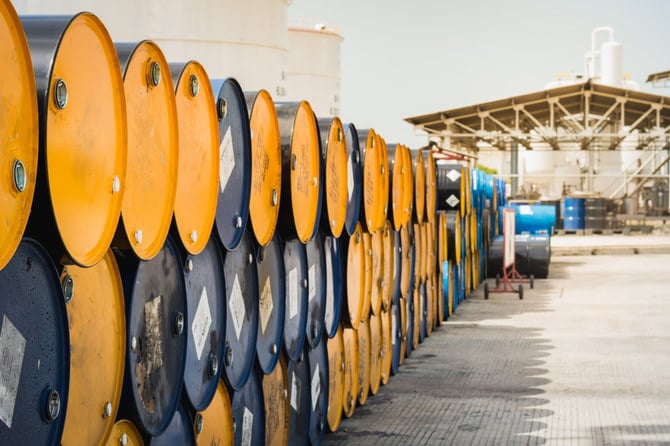
The cost of crude oil went up significantly on Monday, March 2, 2026, reaching $79 per barrel. This is the highest price the market has seen since August 2024. Brent crude oil increased by more than 9 percent to $79, even though it briefly touched $82 earlier in the day. The United States West Texas Intermediate also went up by more than 9 percent to reach $73.06 per barrel.
This sudden price increase happened because of growing security problems in the Middle East. On Saturday, combined military strikes by the United States and Israel killed the Supreme Leader of Iran, Ayatollah Ali Khamenei. The attack also killed Abdolrahim Mousavi, the chief of staff of the armed forces of Iran. Family members of Khamenei, including his daughter, grandchild, daughter-in-law, and son-in-law, also lost their lives in the military operation. Following the attack, Iran fired many missiles across the region. This action brings a serious threat of pulling nearby countries into a larger war.
Because of these security threats, large shipping companies like Maersk, Mediterranean Shipping Company, and CMA CGM have stopped their ships from passing through the Strait of Hormuz and the Suez Canal area. The news agency Reuters notes that about one fifth of the global oil trade carried by sea passes through the Strait of Hormuz. About 20 percent of liquefied natural gas also travels through this same route. A long period of high oil prices could increase the cost of living around the world. It would act like a tax on buyers and businesses, which might reduce the global demand for goods.
In Nigeria, this price increase has pushed the cost of crude oil far above the target set by the government. The proposed national budget for the year 2026 was based on an expected oil price of $64.85 per barrel. The current market price is much higher than this financial plan, creating new economic realities for the country as the global conflict continues to unfold.