



By Tobi Matthew
Political developments across Nigeria are already beginning to focus on the 2027 general elections, with the presidential race gradually shaping alliances and strategies across the country. Political actors are positioning themselves, while defections into the ruling All Progressives Congress (APC) continue in several states.
Control of state structures is becoming a key strategy as parties prepare for the next election cycle. Across Nigeria’s North Central geopolitical zone, a series of alignments among influential politicians and state leaders suggests that the region may play a major role in determining the outcome of the next presidential contest.
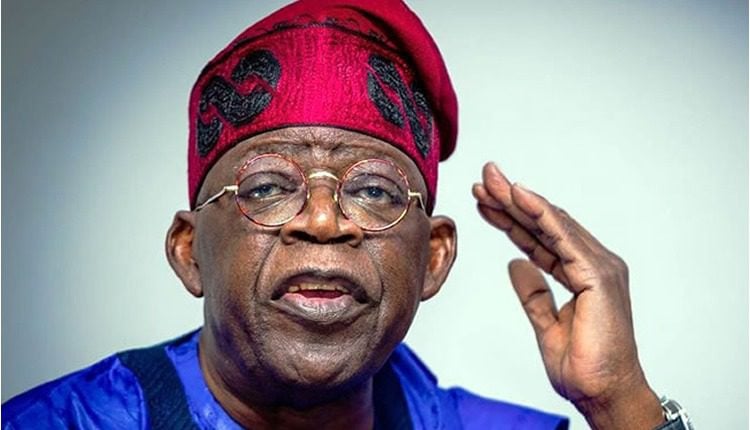
Early political signals indicate that the zone could become one of the strongest voting bases for President Bola Ahmed Tinubu in 2027. The political relationships forming across the region cut across influential leaders, party structures, and local networks. If the trend continues, the zone may provide a large share of votes that could shape the direction of the next presidency.
Kwara
In Kwara State, Governor AbdulRahman AbdulRazaq is working to strengthen governance systems while maintaining political support across the state. The involvement of former Senate President Bukola Saraki is also seen as strengthening the ruling party’s influence.
Observers note that the cooperation of prominent political figures in Kwara may create a unified structure capable of mobilising voters. With opposition forces appearing divided, analysts believe this environment could favour the ruling party during future elections.
Kogi
In Kogi State, opposition groups face organisational challenges that limit their influence across the state. Former governorship candidate Dino Melaye has struggled to expand his support base beyond certain areas.
Meanwhile, Governor Ahmed Usman Ododo and former Governor Yahaya Bello remain key figures within the APC political structure in the state. Political actors such as Murtala Ajaka also continue to shape discussions around alliances and voter mobilisation.
The current situation in Kogi highlights how party unity, combined with a divided opposition, can strengthen the ruling party’s chances in competitive states.
Niger
Political networks are also being strengthened in Niger State. Former Governor Abubakar Sani Bello is reported to be consolidating grassroots structures, while Senator Mohammed Sani Musa and Muhammad Jibrin are working with local political networks to mobilise supporters.
Their coordinated activities demonstrate how local political structures can play an important role in converting popularity into votes during elections. Some analysts believe Niger’s political organisation may serve as a model for other states in the region.
Benue
Politics in Benue State appears to be entering a phase of cooperation among influential leaders. Governor Hyacinth Alia, Secretary to the Government of the Federation George Akume, and former Governor Samuel Ortom are seen as key figures whose interactions could influence political outcomes in the state.
Such cooperation among elite figures may help bridge past political divisions and strengthen electoral coordination in a state known for diverse political interests and ethnic groups.
Nasarawa
In Nasarawa State, Governor Abdullahi Sule, former APC National Chairman Abdullahi Adamu, and politician David Ombugadu are regarded as major political forces across the state’s three senatorial districts.
Their roles in local and state politics position Nasarawa as an important battleground within the North Central region. Political alliances formed here could influence voting patterns in future elections.
Plateau
In Plateau State, Governor Caleb Mutfwang currently leads the state government, while former Governor Simon Lalong has been involved in reconciliation efforts among political stakeholders.
Analysts say these efforts, combined with national party engagement, could influence political stability in the state. Plateau has historically experienced shifts in political loyalty, making it one of the more unpredictable states in the region.
Federal Capital Territory
The Federal Capital Territory (FCT) also plays a symbolic and strategic role in the North Central political equation. Political mobilisation within the territory reflects the influence of urban voters and organised political structures.
Because the FCT hosts Nigeria’s capital, political support from the territory often carries national significance and can reinforce broader regional political strategies.
Why the Region Matters
Several factors could make North Central a crucial zone in the 2027 election. One is the alignment of influential political leaders across several states, which may improve coordination within the ruling party.
Another factor is the expansion of grassroots political networks designed to mobilise voters at the community level. These networks connect party leadership with local voters and can influence turnout during elections.
In addition, divisions among opposition groups in some states may also create opportunities for the ruling party to strengthen its position across the region.
Taken together, these political dynamics suggest that the North Central zone could become one of the most important voting blocs in Nigeria’s next presidential election.