



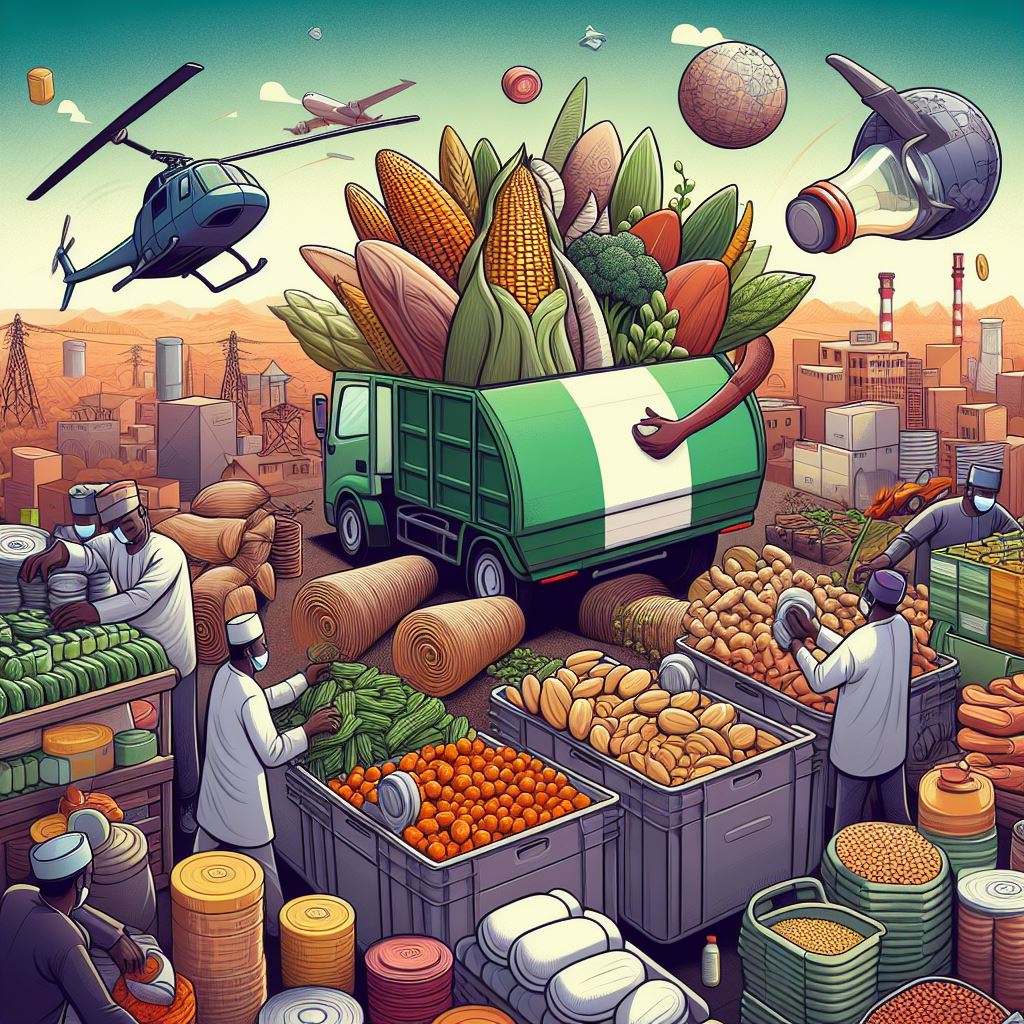
Nigeria is currently grappling with a severe food inflation crisis, characterized by soaring rates of around 30% and no signs of improvement. This situation has sparked debates among Nigerians, who are striving to comprehend President Bola Ahmed Tinubu’s efforts in addressing the crisis.
Currently, Nigeria is facing a shortage of food, which is particularly alarming during the festive season when supplies traditionally run low. Local farmers have been making efforts, but their production is insufficient to meet the nation’s demands. In response to this pressing situation, President Bola Ahmed Tinubu has taken the step of opening the borders to allow the importation of agricultural products. This move aims to swiftly bridge the supply gap and provide immediate relief to the millions of households affected by food inflation.
Looking ahead, the government is also considering long-term strategies to address the crisis. One such approach is the subsidization of agricultural products and the provision of loans to farmers. However, it is important to note that subsidies and loans can only be effective when accompanied by sufficient production. Despite significant investments in the agricultural sector in the past, Nigeria has not achieved self-sufficiency in any food item. Many farmers have faced challenges in repaying their loans, and there exists a significant supply gap that cannot be filled within a year. Therefore, subsidies and loans alone will not solve the problem in the short term.
It is evident that a combination of short-term and long-term solutions is necessary. Importing agricultural products is a prudent move to address the immediate crisis, while subsidies and loans to farmers can contribute to the development of a sustainable and self-sufficient agricultural sector in the long run. Striking the right balance between these approaches is crucial to ensure food security and economic stability for Nigerian citizens.
Nigeria’s food inflation crisis demands a comprehensive approach that encompasses immediate relief measures as well as long-term solutions. President Bola Ahmed Tinubu’s decision to allow imports of agricultural products provides much-needed relief to affected households without impeding the strategizing for long-term solutions, such as subsidies and loans for farmers, to foster a sustainable agricultural sector. By recognizing the positive impacts of both short-term and long-term solutions in the agricultural sector during this critical moment, Nigeria can work towards ensuring food security and economic stability for its citizens effectively.