



By Michael Chibuzo
In moments of national crisis, emotions understandably run high, as evident in the emotion-laden tirade by Erasmus Ikhide triggered by the condemnable xenophobic violence unfolding on the streets of South Africa. Nigerians are once again bearing the brunt of a raging anti-immigrant hysteria. Yet it is during such moments that public commentators must don the cap of logic and distinguish symbolism from statecraft and rage from reason.
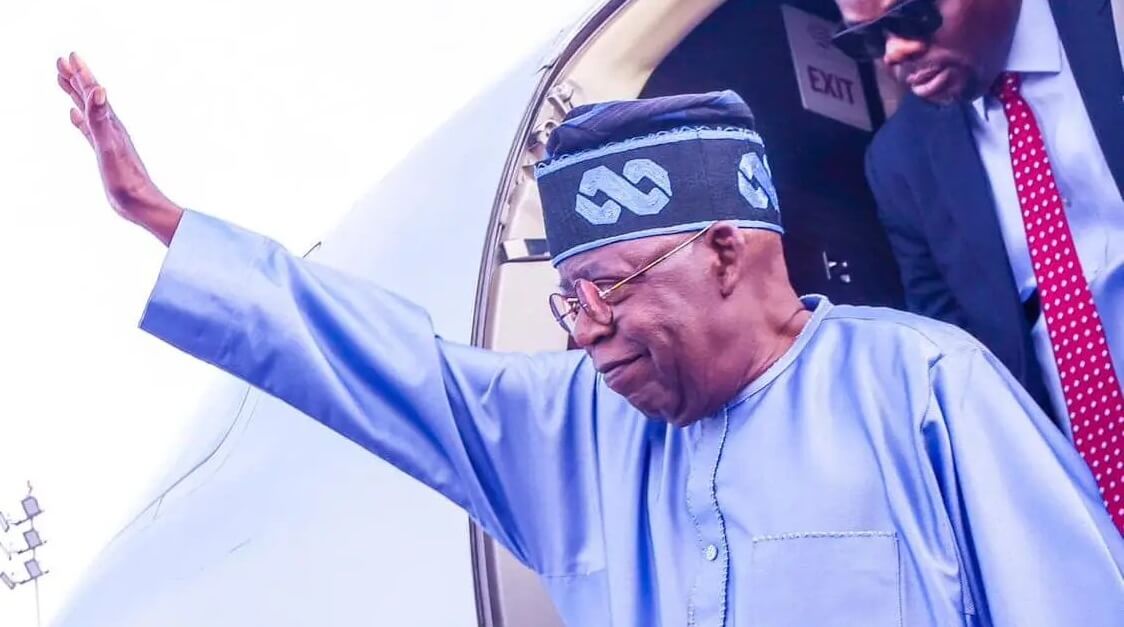
This is where Erasmus derailed. His misguided opinion piece attempts to portray President Bola Tinubu’s diplomatic trip to France, Kenya, and Rwanda as “joyriding” while accusing the Nigerian government of silence and indifference in the face of the xenophobic madness in a country that describes itself as a rainbow nation.
To Erasmus, the fact that President Bola Tinubu is not personally jetting into South Africa with Nigerian military, as the Giant of Africa, to quell anti-imigrant demonstrations and xenophobic attacks by South Africans across many cities against their fellow Africans, including Nigerians, means he is silent and complicit in the attacks. This is an astonishingly hollow and most mischievous assertion to put it mildly.
Let us set the records straight.
Nigeria’s diplomatic response has been swift, continuous, and coordinated.
From around mid-April when this latest wave of xenophobia reared its ugly heads in South Africa, the Nigerian government has been on its toes pulling every diplomatic lever to de-escalate the situation and ensure the safety of Nigerians living in South Africa and their livelihood.
The Nigerians in Diaspora Commission (NIDCOM), working with the Ministry of Foreign Affairs and the Nigerian High Commission in Pretoria activated early-warning diplomatic engagements with the South African authorities to address the renewed xenophobia against Nigerian nationals.
As the attacks intensified, Nigeria in late April demanded through NIDCOM and official diplomatic channels four key measures from the South African government, which include:
1. Stronger security deployment in all affected communities to protect Nigerian nationals.
2. Swift arrest, prosecution, and deterrent punishment of individuals responsible for attacks, looting, and harassment.
3. Bilateral engagement between Nigeria and South Africa to coordinate on diaspora protection.
4. Clear, unequivocal public condemnation of xenophobic attacks by the South African government.
Contrary to Erasmus’ claim of indifference, President Bola Tinubu has instructed the Ministry of Foreign Affairs to initiate voluntary repatriation for Nigerians seeking to leave South Africa, including the provision of evacuation flights. Nigeria’s High Commission in Pretoria has already begun collating the names of citizens who wish to be airlifted back home.
So, it is absolutely misleading for Erasmus to claim that the Tinubu administration is silent on the xenophobic madness in South Africa. As a matter of fact, the Acting South African Ambassador to Nigeria has been summoned by the Nigerian government and is scheduled to meet with Nigerian officials on Monday. Already, Nigeria has made it clear to the South Africans that this ongoing attacks and harassment against Nigerians risk damaging the already fragile relations between both countries. That is the wheel of diplomacy grinding and not diplomatic indifference, as Erasmus wants his audience to believe.
Next is Erasmus Ikhide’s attempt to downplay the importance of Nigeria’s presidential participation in major international forums, which he tries to dismiss as “joyriding”. This reflects his profound misreading of modern governance and statecraft.
Nigeria is part of a fluid global community with many competing spheres of influence. On the African continent, whether praised or criticised, Nigeria remains Africa’s largest population, its biggest market, and one of its most strategic geopolitical anchors. When Nigeria participates in international or continental summits, it does not attend as a tourist. It attends as a primary stakeholder. To label such participation as joyriding is to trivialize the very battles that determine whether Nigeria rises or sinks in an increasingly complex world.
In an era defined by global economic volatility which is exacerbated by Iran-Israel-U.S tensions, the international arena is not a vacation ground, it is where nations negotiate energy security, attract investment, shape regional security frameworks, and defend their strategic interests. For a country of Nigeria’s demographic and economic weight as well as strategic growth ambitions, we cannot afford to be absent from the kind of regional and international forums which President Bola Tinubu is attending on behalf of Nigeria. Doing so amounts to a forfeiture of influence.
Nigeria today, under the guidance of President Tinubu, is repositioning itself as a global energy power and stands at the threshold of a profound redefinition of its global economic relevance. The rise of large-scale industrial capacity such as the Dangote Refinery and petrochemical complex has transformed Nigeria into a new hub for refined petroleum products, with European, African and Asian buyers now turning to Nigeria for PMS, diesel, aviation fuel and petrochemicals. Dangote Refinery, heavily supported by the Nigerian government to succeed, is now the beautiful bride.
The Dangote Refinery success story is, however, just the beginning of Nigeria’s dominant positioning in the global energy landscape. Nigeria is on the cusp of unlocking massive gas opportunities too, advancing rapidly to complete major gas infrastructure projects such as the AKK pipeline and the OB3 pipeline projects, which would further unlock Nigeria’s gas utilisation and industrialisation. Beyond these two milestones, the holy grail of Nigeria’s gas revolution, the Nigeria–Morocco Gas Pipeline is nearing final investment decision (FID).
These projects elevate Nigeria as a future cornerstone of global energy security. Forging continental partnerships to secure markets and financing is therefore very critical. The CEO Africa summit in Rwanda, one of the trips that Erasmus calls a joyride, is precisely where such continental partnerships are forged. The question is simple: With the Rwanda summit, for example, seeking to promote stronger integration among African economies, how do you discuss African integration and enterprise scaling without Nigeria in the room?
Besides energy, Nigeria is also moving at a great pace to bridge our infrastructure deficit, tackle our power supply challenges, expand agricultural mechanisation at scale, and combat insecurity. These require huge funding, most of which would be private sector financing. Ambitious projects do not advance themselves neither do financing drop from the sky, they require deft negotiation, sovereign visibility, and active diplomatic presence at the highest levels. In these rooms, Nigeria must be present or be sidelined.
It is even ironic that Erasmus complains of economic factors that fuel a “japa phenomenon” but fails to appreciate the purpose of the President’s international trips which aim to create more opportunities for Nigerians and reduce the level of outward migration by Nigerians. For example, when President Tinubu helps Dangote Refinery secure the continental market for his products, it will encourage Dangote to hasten the planned expansion of his refinery, further creating more local jobs for Nigerians. Also, if the President secures international financing for the power sector or pens defence collaboration with international partners, these would help solve the power problems and insecurity challenges that Erasmus is complaining about.
For Erasmus to frame presidential engagements abroad, which seek to expand Nigeria’s economic frontiers as “abandonment of duty” is to misunderstand the multi-layered nature of executive leadership. The wheel of governance is not linear, it is a combination of many parts working round the clock to bring about motion in governance. As the president travels, the machinery of government does not grind to a halt. MDAs and security agencies remain fully operational and responsible for responding to crises involving citizens both home and abroad with the President getting briefing round the clock and giving specific presidential directions to state officials where necessary.
No doubt, xenophobic attacks on Nigerians in South Africa or anywhere in the world, for that matter, are a tragedy that must be met with firm diplomatic action. But this diplomatic action does not begin with loud symbolism or presidential theatrics like traveling to the country of interest as Erasmus is advocating in his tirade, rather it begins with bilateral channels, consular engagement, multilateral pressure, and coordinated security dialogue. All these are actively happening currently and will intensify until the situation is brought under control.
Erasmus’s long, windy, and illogical argument basically attempts to reduce statecraft to grandstanding. Unfortunately for him, nations are not governed through emotional reflexes but through careful strategy, consistency, and presence where it matters most. Erasmus Ikhide’s article is long on rhetoric but short on fact. The tirade looks more like that of a critic who is yet to heal from the electoral loss of his presidential candidate more than three years ago.
In conclusion, Erasmus needs to be told in clear terms that the Nigerian government led by President Bola Tinubu is not indifferent to the events in South Africa neither is the President joyriding. Nigeria is responding to the xenophobic attacks diplomatically while simultaneously securing its long-term strategic, economic, and leadership interests. Two or more things can co-exist. At this moment, Nigeria can not afford absence from any table where the future of Africa, global energy, or international security is being shaped.
– Michael Chibuzo is a public affairs analyst and wrote from Abuja