



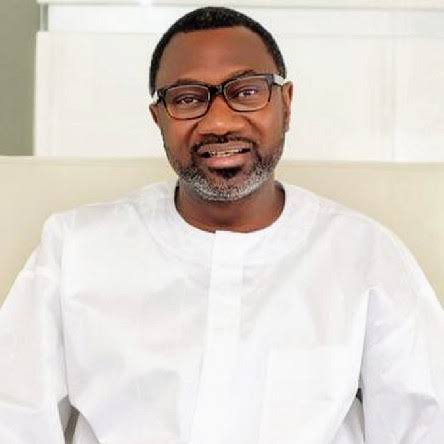
Femi Otedola, a prominent Nigerian businessman, has shared a compelling story of his turbulent encounter with former President Olusegun Obasanjo in the aftermath of the 2004 deregulation of diesel importation. This confrontation, according to Otedola, was marked by fierce accusations and an intense verbal exchange, as Obasanjo angrily blamed him for the diesel shortage that followed.
In his forthcoming memoir, “Making It Big: Lessons from a Life in Business,” which is scheduled for release on August 18, 2025, Otedola recounts the dramatic events surrounding the diesel deregulation that saw the Nigerian government step away from its traditional role in fuel importation. His company, Zenon Petroleum, played a pivotal role in the transition to a deregulated market.
“When President Obasanjo deregulated diesel in 2004, Zenon took an unassailable lead in the market,” Otedola explained. He had convinced the president that the private sector, particularly companies like Zenon, would be able to supply diesel without the need for NNPC involvement. The proposal, however, was soon marred by what Otedola describes as a deliberate campaign to discredit him and the deregulation policy.
The crisis began when opponents of the policy started circulating claims that deregulation had resulted in a catastrophic shortage of diesel, causing widespread disruptions to the country’s economy and industries.
“My opponents’ reaction was to tell the president that we’d turned the market upside down (and that the) economy was about to be brought down because there was no diesel,” Otedola wrote. “Obasanjo was mad at me because he’d sought and received assurances from us that NNPC’s exit from diesel importation wouldn’t affect supply. My critics then fanned the flames by telling him there was no diesel in the country, that trucks couldn’t move and that industries were shutting down.”
The situation reached its peak when Obasanjo personally called Otedola in the dead of night, expressing his fury.
“The President called me at 2am, shouting through the phone. ‘You’re a stupid boy! God will punish you! You persuaded me to deregulate diesel, and now there’s no diesel in the country!’ He was livid,” Otedola recalled, emphasizing the president’s ire.
To resolve the crisis, Otedola quickly made arrangements to meet with Obasanjo in Abuja. Upon their meeting, the president’s anger continued to boil over.
“As soon as Obasanjo saw me, he flew into a rage again. ‘What kind of rubbish is this? What kind of nonsense is this?’ He was right in my face, screaming at the top of his lungs,” Otedola stated.
Despite the harsh words, Otedola stood his ground, patiently waiting for the president to calm down before offering his side of the story. “Baba, they’re lying to you. It’s all lies. I have six ships waiting to discharge big supplies of diesel,” he explained, clarifying that the diesel shortage was a result of delays and sabotage, rather than a true supply issue.
The businessman revealed that he had been forced to pay demurrage fees due to delays in unloading his diesel shipments—contrary to the claims of a nationwide shortage. “I was even paying demurrage. I told the president that I was the victim of competitors’ backbiting,” he said, suggesting that rival firms were using underhanded tactics to undermine his business.
To counter the growing misinformation, Otedola proposed a solution to Obasanjo. He recommended placing adverts in national newspapers to publicly declare the availability and pricing of diesel, hoping this would restore confidence in the market.
“I knew it was people in NNPC – the state monopoly, in their now-teetering positions of power – who were against deregulation – who’d been telling him these lies. They wanted to continue to import, and rake in the subsidy money,” Otedola observed, identifying the state-run oil corporation as a key player in the misinformation campaign.
Although Otedola had to endure significant pressure from political and business rivals, he expressed confidence that Obasanjo, once convinced of his integrity, would see through the fabrications.
“Obasanjo was a determined and robust president. Jealous people did not easily sway him. Once he made up his mind that someone was trustworthy and genuine, as he seemed to do about me that day, he stopped listening to the naysayers,” Otedola reflected.
The deregulation of diesel in 2004 was a landmark event in Nigeria’s oil industry, being the first product to fully move beyond government subsidies. This policy shift ended the rent-seeking practices tied to fuel subsidies and allowed for the growth of a more competitive and transparent market.
Otedola’s personal account sheds light on the fierce battles behind Nigeria’s attempt to move away from state control in the petroleum sector, and how business leaders like him played a critical role in shaping the future of the market.