



The National Pension Commission (PenCom) has presented a sweeping account of Nigeria’s pension reforms over the past two years, describing the period as one of the most significant transformations in the country’s retirement system.
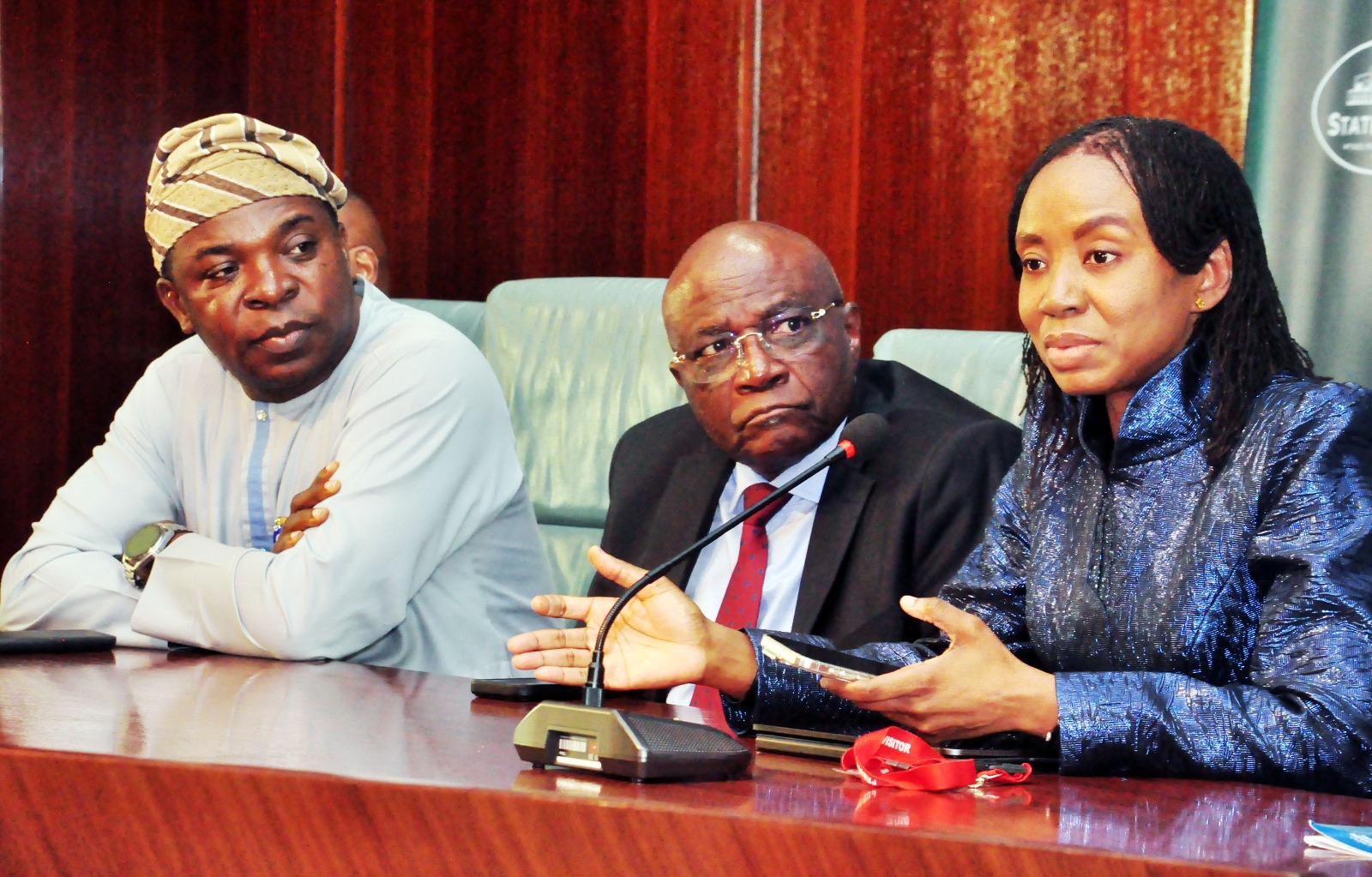
Speaking at a State House press briefing in Abuja, the Director General of PenCom, Ms. Omolola Oloworaran, said the reforms have restored confidence in the pension system, increased benefits for retirees, resolved long-standing obligations, and laid the foundation for a more inclusive and sustainable retirement framework. According to her, the administration’s approach reflects a commitment to ensuring that the dignity of work is matched by dignity in retirement.
At the heart of the reforms are tangible improvements in the lives of pensioners. Oloworaran illustrated this with the story of a retired factory worker whose monthly pension increased from ₦18,000 to ₦206,000 after the first review of NSITF pensions in 21 years.
She noted that the increase was not a handout but the fulfilment of an earned entitlement, emphasizing that the government had chosen to honour its obligations to retirees. She argued that the reforms demonstrate a broader commitment by President Bola Ahmed Tinubu’s administration to protecting workers and retirees through consistent policy decisions.
PenCom also reported significant growth in the Contributory Pension Scheme over the past two years. Pension assets increased from ₦20.79 trillion to ₦31.48 trillion, representing an increase of more than ₦10.7 trillion, while over 938,000 new contributors joined the scheme.
According to the Commission, these figures reflect renewed public confidence in the pension system and indicate that more Nigerians are now covered by retirement savings arrangements designed to provide long-term financial security.
The Commission highlighted several initiatives aimed at increasing pension benefits and improving retirees’ welfare. Monthly pension payments under the Pension Boost 1.0 initiative rose by 22 percent, increasing aggregate monthly payouts from ₦12.2 billion to ₦14.9 billion.
In addition, more than 100,000 eligible retirees of treasury-funded Ministries, Departments and Agencies received a ₦32,000 monthly consequential adjustment following the implementation of the new national minimum wage.
Together with the NSITF pension review, PenCom described these measures as the most significant improvements in pension payments since the introduction of the Contributory Pension Scheme.
Beyond increasing benefits, PenCom said it has focused on improving service delivery and strengthening compliance. Retirement benefit approvals that previously took months are now completed within 48 hours, while pension services have been fully digitised to simplify registration, remittances and benefit processing.
The Commission also reported a 28 percent increase in compliance and the recovery of more than ₦36 billion in unremitted pension contributions over the past two years, exceeding the total recoveries recorded in previous years. Collaboration with anti-corruption agencies and the planned issuance of a Presidential Executive Order are expected to further strengthen compliance across the pension industry.
The Commission also outlined plans to improve social protection for retirees through new initiatives. Within the next three months, PenCom intends to introduce the Minimum Pension Guarantee, which will establish a guaranteed income floor for eligible pensioners.
Alongside this, the PenCare programme is expected to provide healthcare support for vulnerable retirees. According to Oloworaran, retirement security should extend beyond monthly income to include access to healthcare and protection from poverty in old age.
A major highlight of the reforms was the Federal Government’s ₦758 billion Pension Bond, which PenCom described as one of the most consequential interventions in Nigeria’s pension history. The bond settled outstanding pension obligations dating back to 2007, benefiting more than 957,000 Nigerians. As a result, accrued pension rights moved from being 21 months in arrears to a 41-month surplus.
The administration also introduced a new End-of-Service Benefits Scheme for retiring employees of treasury-funded MDAs, providing them with 100 percent of their annual emoluments upon retirement as recognition of their years of public service.
Looking ahead, PenCom outlined plans to expand pension coverage to millions of Nigerians working in the informal sector. Through the Personal Pension Plan, artisans, traders, farmers, transport workers and other self-employed individuals will be able to make flexible contributions through digital platforms.
The Commission also announced plans to establish a nationwide network of Accredited Pension Agents, creating employment opportunities while extending pension services to underserved communities across the country. These initiatives are intended to broaden financial inclusion and ensure that retirement security is available to workers regardless of their occupation.
Concluding the briefing, Oloworaran described the reforms as more than administrative achievements, arguing that they represent a broader effort to strengthen public trust and national development.
She said the progress recorded over the past two years, including higher pension payments, faster service delivery, stronger compliance, expanded coverage and the settlement of long-standing liabilities, demonstrates the administration’s commitment to improving the welfare of Nigerian workers and retirees.
According to her, pension reform has become an instrument for promoting justice, restoring dignity, creating economic opportunity and securing a more stable future for generations of Nigerians.