



The APC Presidential Campaign Council has defended the Federal Government’s handling of the Ebola outbreak, insisting that the N10 billion approved by President Bola Tinubu for emergency response remains untouched.
The council also criticised former Vice President Atiku Abubakar over his comments on the outbreak, accusing him of politicising a serious public health concern and disrespecting the office of the President.
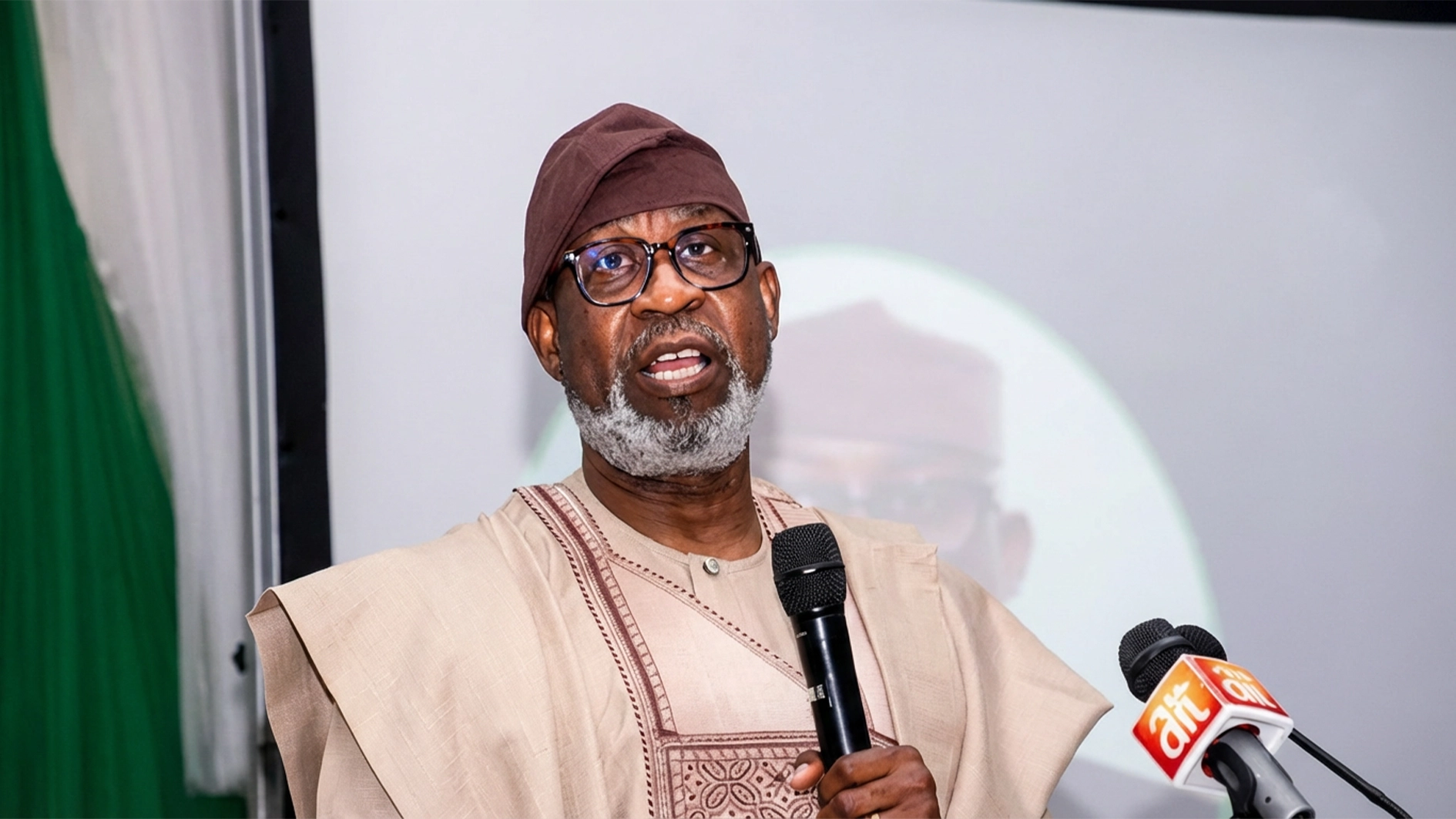
In a statement issued in Abuja on Thursday, October 22, 2026, the council’s spokesperson, Dele Alake, said the N10 billion fund approved in June had not been utilised, as the Nigeria Centre for Disease Control and Prevention (NCDC), the Federal Airports Authority of Nigeria (FAAN) and other relevant agencies had been deploying existing resources for surveillance and emergency response.
“The N10 billion that the President approved for the Ebola emergency in June remains untouched, as the NCDC, FAAN, and other agencies involved in surveillance have been spending other available resources,” Alake said.
He explained that the country’s surveillance system had helped alert authorities to the confirmed case involving a Nigerian traveller from Uganda, leading to contact tracing for 44 people who had contact with the patient.
According to Alake, the failure to detect the infection immediately upon the traveller’s arrival at the Abuja airport should be understood in the context of the disease’s incubation period, which ranges from two to 21 days. He added that Ebola transmission generally begins when an infected person develops symptoms.
The APC council faulted Atiku’s alleged attempt to link President Tinubu’s name to the Ebola outbreak, describing the approach as disrespectful and capable of turning a serious health emergency into political mockery.
“We believe linking and rhyming President Bola Tinubu’s name to Ebola only risks turning a serious health concern into a vehicle to ridicule the President of the Federal Republic,” the statement said.
The council also rejected allegations that a ministerial briefing on the outbreak was intended to discourage Nigerians from attending campaign rallies or voting, describing the claim as speculative and demanding verifiable evidence to support it.
It urged the opposition and other political actors to avoid spreading unverified claims and instead support public health authorities in containing the outbreak.
“A time like this demands that all Nigerians, including the opposition, rally around the health authorities and professionals, communicate responsibly, avoid rumour-mongering, and follow the protocols advised by the Task Force to ensure Ebola does not become a national epidemic,” Alake said.
The council maintained that protecting Nigerians from the disease should take precedence over partisan political considerations, stressing the need for public cooperation with the health authorities and adherence to established preventive measures.