



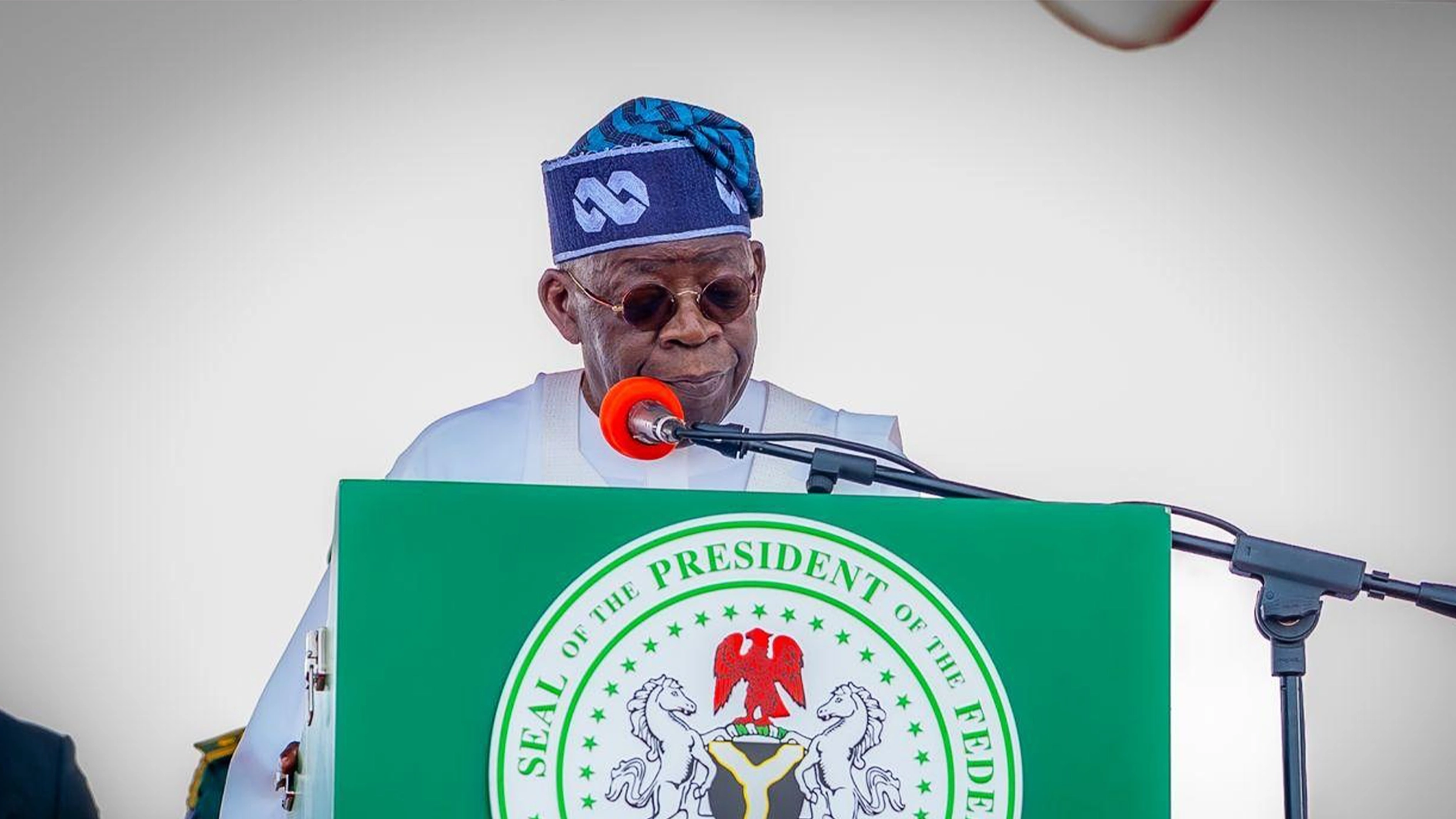
As Nigeria moves towards the 2027 general election, President Bola Ahmed Tinubu and the All Progressives Congress (APC) will be judged largely by their record in office, the progress of ongoing reforms and their ability to translate economic changes into better living conditions for ordinary Nigerians.
Since assuming office on May 29, 2023, the administration has pursued major economic restructuring, infrastructure development, social intervention programmes and efforts to strengthen domestic production. These policies provide the APC with a record to present to voters, although the ultimate electoral outcome will depend on public assessment of their results.
One of the administration’s most consequential decisions has been the removal of the petrol subsidy and the introduction of foreign-exchange reforms. Although these measures initially placed additional pressure on households and businesses, the government has maintained that they are intended to reduce unsustainable public expenditure, improve market transparency and redirect resources towards development.
The challenge, and a central issue for the next election, will be demonstrating that the savings and economic adjustments are translating into tangible benefits for Nigerians through improved public services, jobs and household incomes.
On economic management, the PBAT administration has pursued policies aimed at stabilising the foreign-exchange market, rebuilding external reserves, attracting investment and increasing government revenue. These reforms have coincided with changes in key economic indicators, including inflation and exchange-rate movements, although the figures fluctuate and the cost of living remains a major concern.
For the APC, the political argument is that reforming the economy requires difficult decisions before the gains can be broadly shared. Voters will ultimately assess this argument against their own experiences with food prices, transportation costs, business expenses and purchasing power.
Infrastructure remains another important area in which the administration can make its case. Federal road construction and rehabilitation, rail development, port modernisation and investments in transport corridors are intended to improve connectivity, facilitate trade and reduce the cost of moving goods and people.
Projects such as the Lagos-Calabar Coastal Highway and the Sokoto-Badagry Superhighway have attracted considerable public attention. Their long-term economic value will depend on transparent implementation, completion, maintenance and the extent to which communities and businesses benefit from improved transportation networks.
The administration has also placed emphasis on education and youth development through the Nigerian Education Loan Fund (NELFUND), which provides eligible students with access to interest-free loans for approved educational expenses.
The initiative is intended to reduce financial barriers to tertiary education and allow more young Nigerians to pursue their studies. Alongside student financing, the government’s broader skills-development and entrepreneurship agenda offers an opportunity to connect education with employment. The programme’s reach, effective implementation and long-term outcomes will be important measures of its success.
In the health and social-welfare sectors, the government has pursued interventions aimed at expanding access to healthcare, supporting vulnerable households and strengthening social investment programmes. Initiatives involving conditional cash transfers, student support and health insurance are intended to reduce the burden on low-income families.
The APC can point to these interventions as evidence that its agenda extends beyond economic stabilisation. However, their electoral significance will depend on whether eligible Nigerians can access the benefits fairly, promptly and transparently, particularly amid persistent pressures on household budgets.
Agriculture and food security are equally important to the administration’s development agenda. Government measures have included efforts to improve access to agricultural inputs, encourage domestic production and strengthen food supply chains. With food prices remaining a major concern for families, progress in this area could have a direct effect on public confidence.
Expanding cultivation, improving irrigation, supporting farmers, securing farming communities and reducing post-harvest losses would help make food more affordable while creating opportunities across the agricultural value chain. For the APC, demonstrable improvements in food availability and prices would be more persuasive than promises alone.
Energy and industrial development also feature prominently in the administration’s economic strategy. The growth of domestic refining capacity, including operations at the Dangote Refinery, has created opportunities to reduce reliance on imported refined petroleum products, although domestic production does not automatically guarantee lower pump prices.
Government efforts to promote compressed natural gas (CNG) as an alternative transport fuel, alongside investments in manufacturing and industrial infrastructure, are intended to diversify energy use and support local businesses. The key test will be whether these developments improve supply reliability, reduce operating costs and create sustainable employment.
Security remains one of the most decisive issues facing the Tinubu administration. The government has continued to rely on the armed forces and other security agencies to confront terrorism, banditry, kidnapping and other threats, while pursuing additional measures to strengthen operational capacity.
Progress in restoring peace, protecting farming communities and making roads safer would carry significant weight with voters. At the same time, persistent insecurity in parts of the country remains a serious challenge. The administration’s electoral prospects will be influenced by whether Nigerians see measurable and lasting improvements in their personal safety and economic activities.
The APC has a substantial record of reforms and policy initiatives to present as it prepares for the 2027 election. PBAT’s strongest case for re-election would rest on verifiable achievements, visible improvements in living standards, credible delivery of public projects and a clear explanation of how current policies will produce broader prosperity.
Finally, the party’s organisation and campaign message may matter, but so will public trust, the strength of the opposition and the credibility of the electoral process. For the administration, the decisive task is to turn the promise of Renewed Hope into practical results that Nigerians can see and feel.