



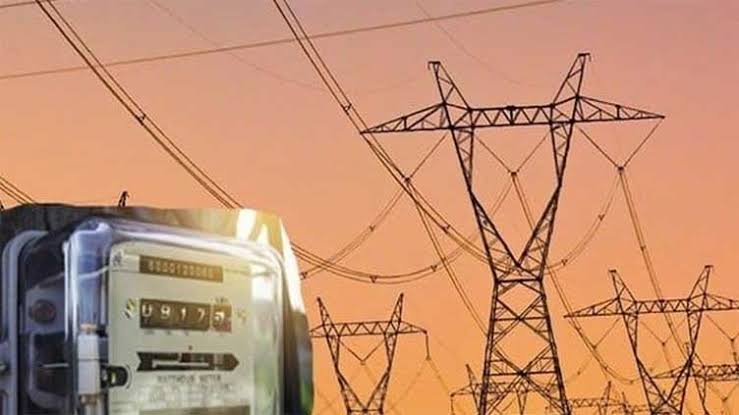
The Nigerian electricity sector is witnessing an unprecedented assertion of power by state regulators, who are invoking new legislative provisions to set electricity tariffs they deem fair and affordable. This wave started notably with Enugu’s electricity regulator slashing Band A tariffs by nearly 24%, prompting a vigorous backlash from power distributors and generators.
Energy commissioners across Nigeria’s 36 states have voiced their intention to negotiate tariffs locally, emphasizing the need to balance cost recovery with consumer protection. The Electricity Act 2023 provides a legal backbone for such sub-national regulatory authority, a shift from the traditional centralized approach.
Prince Eka Williams, the chairman of the forum representing state commissioners, highlighted that states face different electricity market realities that require tailored tariff systems rather than blanket federal rates: “Each State Electricity Regulator is uniquely positioned to determine and implement appropriate electricity tariffs that are fair to customers and at the same time catalyse investments.”
While states like Lagos and Ondo consider emulating Enugu’s tariff reduction, power distributors remain staunchly opposed. The Association of Nigerian Electricity Distributors cautions that tariff cuts risk reversing recent gains in power availability and endanger market sustainability.
EERC’s tariff revision for Enugu followed a detailed analysis involving MainPower’s expenditures and customer base, setting rates that the commission insists reflect true costs without affecting generation prices. EERC Commissioner Reuben Okoye affirmed the agency’s commitment to transparent and sustainable market development.
The Forum of State Commissioners rejected the notion that tariff reductions would impair revenue streams or rely on unsustainable federal subsidies, pointing instead to a vision of cost-reflective, efficient state markets aligned with the Electricity Act 2023.
Lagos State, while grappling with disco resistance, is poised to reveal its own tariff framework soon, signaling that the electricity pricing debate will intensify.
This shift toward state-regulated electricity tariffs introduces complex dynamics between governance, market players, and consumers, marking a potential turning point in Nigeria’s power industry management.