



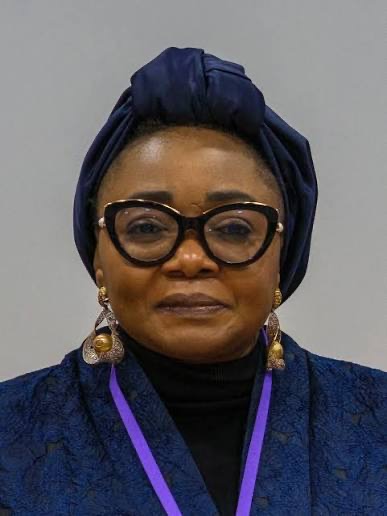
The Nigerian Minister of Women Affairs and Social Development, Hon. Hajiya Imaan Sulaiman-Ibrahim, has pursued an ambitious, results-driven agenda aimed at transforming the lives of women, children, and vulnerable populations across the country.
Guided by the Federal Government’s Renewed Hope Agenda, her leadership has emphasized economic empowerment, education, social protection, and inclusive development.
Within a relatively short period, the Ministry has rolled out a series of impactful projects and policy frameworks designed to move women from the margins of survival to the center of national productivity.
One of the Ministry’s flagship achievements is the expansion of the Nigeria for Women Programme (NFWP) Scale-Up, a nationwide initiative designed to strengthen women’s economic groups, improve access to finance, and integrate women into formal value chains across all 36 states and the FCT.
By institutionalizing women’s cooperatives and linking them to markets and financial services, the program is reshaping grassroots economic participation.
Complementing this is the launch of the Women Entrepreneurs and Innovators for Development (WEIDE) Fund, established in partnership with the World Trade Organization. The fund is designed to unlock financing opportunities for women-owned enterprises in agriculture, manufacturing, services, and technology, positioning women as drivers of national wealth creation rather than passive beneficiaries of aid.
Minister Sulaiman-Ibrahim also unveiled a comprehensive 2024–2027 Renewed Hope Roadmap for women, children, and vulnerable groups. The roadmap outlines ambitious national targets, including the economic empowerment of millions of women, skills development for female farmers, improved access to education for out-of-school children, and strengthened systems for maternal health and gender-based violence response.
This strategic framework moves beyond isolated interventions, offering a coordinated, long-term vision that aligns social development with Nigeria’s broader economic goals.
Recognizing education as a cornerstone of empowerment, the Ministry has advanced initiatives to expand opportunities for girls and young women, including targeted scholarship programs and a bold commitment to STEM education.
Through initiatives such as DELT-HER, the Ministry aims to equip millions of women with science, technology, and innovation skills needed to compete in a modern economy. These efforts are designed not only to close gender gaps but also to future-proof Nigeria’s workforce.
Through partnerships with international organizations such as the Organisation of Islamic Cooperation (OIC), the Ministry has launched large-scale programs to empower women in agriculture, covering agribusiness skills, post-harvest management, financial literacy, and climate-smart farming techniques.
In parallel, empowerment drives involving renewable energy solutions, solar home systems, and livelihood support have been rolled out in various states, helping women reduce energy poverty while improving productivity and household resilience.
Beyond economic initiatives, Minister Sulaiman-Ibrahim has prioritized child protection, social welfare reform, and gender-based violence response systems. The establishment of review mechanisms for child rights legislation and the strengthening of psychosocial and legal support frameworks underscore the Ministry’s commitment to dignity, safety, and inclusion.
Under her leadership, Nigeria has maintained a strong presence on international platforms, including the United Nations Commission on the Status of Women, where the Minister has consistently advocated for gender equity, sustainable development, and global partnerships that benefit Nigerian women.
Through town halls, citizen engagement forums, and direct outreach to grassroots women’s groups, the Ministry has emphasized accountability and people-centered governance. These engagements ensure that policies are informed by real-world needs and that government interventions reach those they are designed to serve.
Hon. Hajiya Imaan Sulaiman-Ibrahim’s tenure as Minister of Women Affairs and Social Development reflects a clear shift toward scale, strategy, and sustainability. By combining policy reform, economic empowerment, education, and social protection, her work is laying the foundation for a more inclusive Nigeria, one where women and vulnerable groups are not only supported, but empowered to lead national development.