



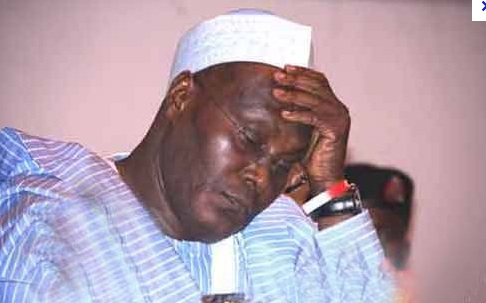
Atiku Abubakar’s latest post, where he positions himself as a savior concerned about Nigeria’s deteriorating security, is a thin veil over a history of leadership weaknesses and political selfishness that disqualify him from claiming moral authority today. His finger-wagging over the current situation ignores the glaring shadow of mismanagement from his own record in public service, exposing a man whose words often contradict his actions.
As a former Vice President and influential politician, Atiku’s tenure was marked by inconsistent policies that cooled the economic fire, failed to deliver security reforms, and widened regional and ethnic divisions instead of healing them. His leadership did not quell insecurity; rather, systemic neglect and political maneuvering during those years laid some groundwork for the current chaos. The fact that insecurity escalated under his watch means that his sudden concern rings hollow and self-serving.
Moreover, Atiku’s relevance and reliability are further undermined by the ongoing disarray within his African Democratic Congress (ADC) party. Rather than building a unified, coherent political movement, the ADC is fractured by internal power struggles, with leaders engaging in public quarrels that betray a profound inability to present consistent policies or offer credible solutions for Nigeria’s complex challenges. His own miscommunication and failure to maintain party discipline signal a lack of statesmanship and vision.
This pattern of political instability and selfish posturing contradicts the very call for “the right political leadership” that Atiku claims is urgently needed. If Nigerians look closely, today’s leadership, despite challenges, is focused on actionable strategies and national unity, while Atiku continues to dwell in empty rhetoric and factional bickering.
It is clear that Nigeria’s progress requires more than nostalgia for leaders with checkered pasts and fractured parties. Real solution demands steady hands, unity in purpose, and policies that prioritize the collective good — qualities Atiku Abubakar’s history and current posture fail to demonstrate. His appeals should prompt Nigerians not to rally behind fallacies but to prudently evaluate who truly stands ready to lead with integrity and tangible results.