



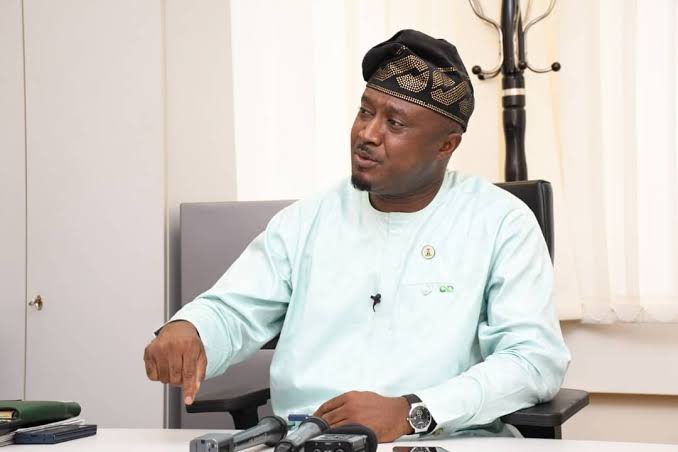
The Senior Special Assistant to the President on Media and Communications in the Office of the Vice President has backed President Bola Ahmed Tinubu’s call for comprehensive reform of the United Nations Security Council, saying the current power structure no longer reflects the realities of the modern world.
In an interview with the Nigerian Television Authority (NTA) during the ongoing 81st United Nations General Assembly in New York, the presidential aide stated that the five permanent members of the Security Council – China, France, Russia, the United Kingdom, and the United States – wield disproportionate influence over major decisions of the world body.
According to him, the existing structure was created in 1945 and has become unsustainable given the major changes in global demographics, economic power, and geopolitical realities. He said Nigeria and Africa, which account for a significant proportion of UN membership, deserve a stronger voice in the decision-making process.
“The architecture which brought these five countries to preside over all countries of the world is no longer sustainable. This structure was created in 1945, and many years later, the world has changed significantly,” he said.
The presidential aide noted that Africa has about 55 countries within the UN system, representing more than a quarter of the organisation’s membership, arguing that the continent’s contribution and population should be reflected in the composition and decision-making structure of the Security Council.
He also stated the Tinubu administration’s drive to promote local value addition to Nigeria’s natural resources, stressing that African countries should develop policies that protect their resources while maintaining an environment capable of attracting investment.
Using the lithium industry as an example, he said the administration was encouraging investors to establish processing and manufacturing facilities locally rather than merely extracting raw materials for processing abroad.
“When you establish local factories, you create jobs, increase income opportunities for people and contribute to the long-term development of the country,” he said.
He further called for stronger cooperation among African countries, urging them to protect their natural resources through appropriate laws and local-content policies without creating barriers that could discourage legitimate investors.
Stanley Nkwocha said Nigeria and other African countries should increasingly pursue policies that enable the continent to derive greater economic value from its vast natural resources, rather than remaining primarily exporters of raw materials.