



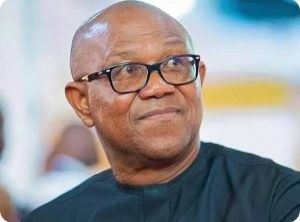
 The controversy triggered by Peter Obi’s account that he was allegedly denied the opportunity to greet Nigeria’s Flamingos after their return from the FIFA U-17 Women’s World Cup has raised questions about media verification and the politicisation of national celebrations, according to a commentary by social commentator Akin Akinyemi.
Obi’s account, shared on Monday, November 9, sparked widespread reaction across the Nigerian digital landscape, with sports pundits, journalists and broadcast hosts debating the incident. Akinyemi said many commentators condemned the government without waiting for official clarification or a counter-perspective, arguing that the response demonstrated how quickly public outrage can be triggered.
While acknowledging that decades of administrative opacity have bred public distrust, Akinyemi said influential commentators owe the public intellectual discipline and thorough verification. He argued that the episode reflects a recurring pattern in Obi’s public engagements: a strong sense of personal entitlement combined with a flair for high-visibility grievance. He cited a previous airport encounter in which Obi presented himself as a victim of institutional harassment, only for later video footage to present a more complex picture.
According to the commentary, Obi, a two-term former governor, said protocol officers “politely declined” his request because they feared losing their jobs. Akinyemi argued that middle-level protocol staff do not possess the statutory authority to alter pre-approved VIP access lists or arrange impromptu political meetings, and that framing public servants who followed protocol as victims of government intimidation is unfair.
The commentary also raised broader concerns about public decorum among presidential contenders, noting that INEC has cleared 18 candidates for the presidential contest. It argued that national receptions for sports teams cannot become uncoordinated meet-and-greet sessions for political figures, and that institutional protocol exists to maintain order, security and equal distance from partisan interests during national celebrations.
Akinyemi said initial responses from sports officials offered a different account from the one circulated online. He criticised the rush to manufacture outrage, saying it overshadowed the Flamingos’ achievement and redirected national conversation away from the young athletes’ victory.
He called on media practitioners and broadcast commentators to exercise greater analytical rigour when processing political claims, especially ahead of the presidential election, and said balanced coverage requires measured commentary rather than hasty declarations.
The commentary concluded by asking whether the episode was a genuine moment of spontaneous goodwill or a calculated political manoeuvre designed to leverage public sympathy, adding that national sports heroes should not be reduced to background props in an ongoing political campaign.
Akin Akinyemi is a social commentator writing from Abeokuta.