



The Federal Government has launched a fresh push to transform operations at Nigeria’s seaports, setting an ambitious target of reducing cargo clearance time from the current average of 21 days to just seven days.
The initiative, spearheaded by the Presidential Enabling Business Environment Council (PEBEC), is aimed at cutting logistics costs, improving trade efficiency and positioning Nigeria as a more competitive destination for business and investment.
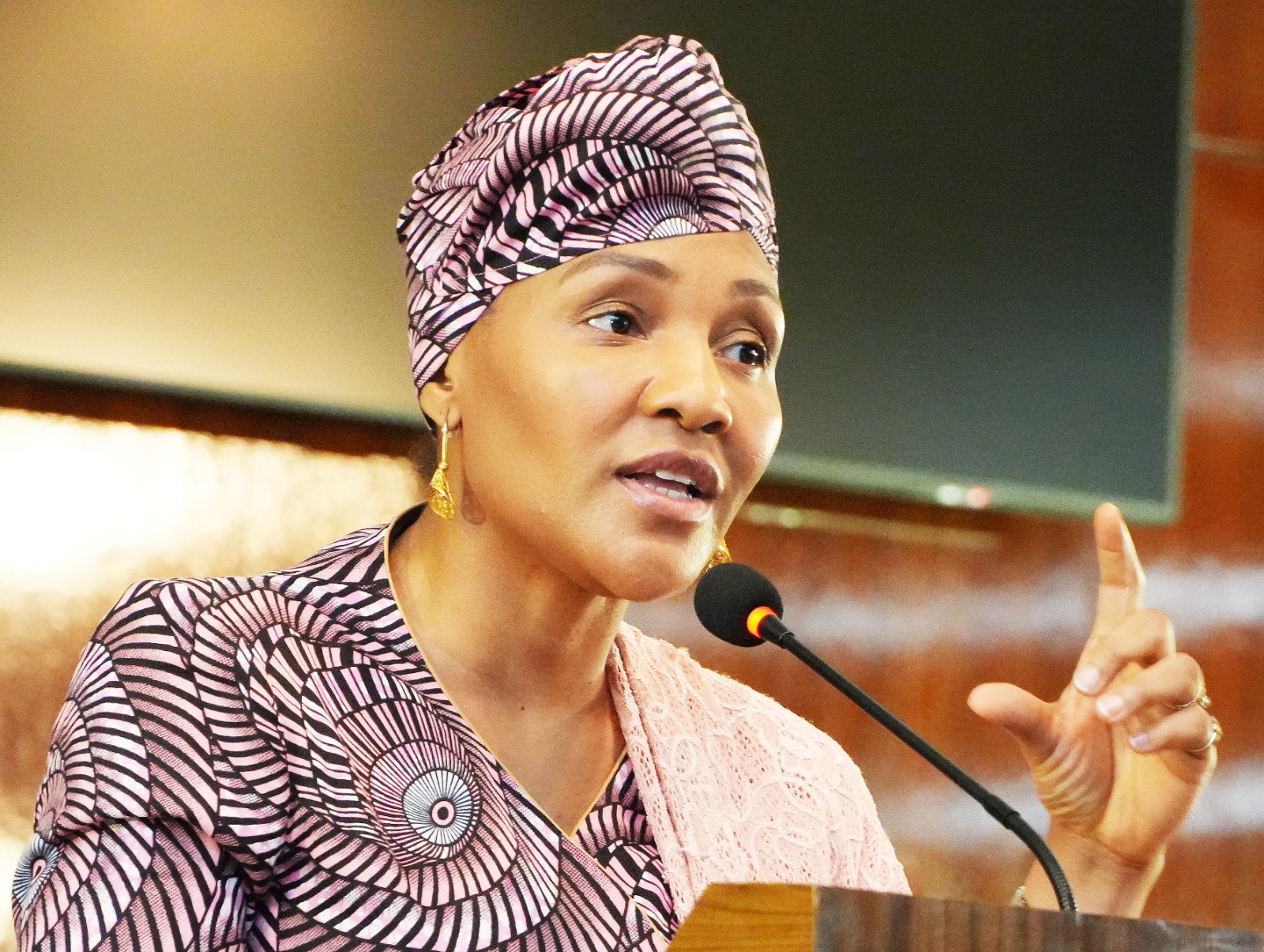
Speaking during the Presidential Media Team’s weekly Meet the Press briefing at the State House in Abuja on Tuesday, PEBEC Director-General, Princess Zahra Audu, said prolonged cargo clearance remains one of the biggest obstacles to seamless imports and exports, especially when compared with neighbouring countries such as Ghana and the Benin Republic.
According to her, the government has introduced coordinated joint inspections involving relevant agencies at the ports to eliminate delays and speed up vessel turnaround time. She added that physical examination of cargo is gradually being replaced with scanner-based inspections to make the clearance process faster and more transparent.
“Our objective is to ensure containers arriving at Nigerian ports are cleared within seven days. While the reforms are still ongoing, significant steps have already been taken to achieve this goal,” Audu said.
As part of broader reforms, PEBEC also plans to equip truck drivers operating along port corridors with body cameras to improve accountability and provide evidence against extortion and other forms of misconduct. The programme will be complemented by expanded engagement with truckers and freight forwarders, alongside a nationwide sensitisation campaign expected later this year.
Audu disclosed that a committee established in the Office of the Vice President has been coordinating ministries, departments and agencies operating at the ports to streamline cargo movement and eliminate bureaucratic bottlenecks.
She described the National Single Window project as another key pillar of the reforms, noting that it would integrate all relevant government agencies onto a unified digital platform, simplifying documentation and reducing delays associated with import and export procedures.
The PEBEC boss further revealed that the council has carried out multiple inspections of the Apapa and Tin Can Island port corridors this year to ensure that previously removed illegal checkpoints do not reappear.
Beyond port operations, Audu highlighted improvements in the ReportGov platform, which now connects businesses directly with 69 business-facing ministries, departments and agencies. She said complaints submitted through the platform are expected to receive official responses within 72 hours, while physical service kiosks have been installed at major airports and seaports to improve access for businesses.
She added that PEBEC has grouped government agencies into operational clusters to reduce duplication and improve service delivery. One of the early outcomes, she noted, is a memorandum of understanding between the Standards Organisation of Nigeria (SON) and the National Agency for Food and Drug Administration and Control (NAFDAC), designed to eliminate multiple certification processes for businesses.
At the state level, Audu said ease-of-doing-business councils have been activated to drive reforms, support digital government services and establish one-stop business centres.
She also disclosed that PEBEC is working with the World Bank under the State Action on Business Enabling Reforms (SABER) Programme to help states implement reforms in areas including digital infrastructure, land administration and tax harmonisation.
In addition, she said every state in Nigeria now operates a small claims court, providing micro, small and medium-sized enterprises (MSMEs) with a faster and more affordable avenue for resolving business disputes without the need for lengthy court processes.
According to Audu, PEBEC is also promoting alternative dispute resolution mechanisms and specialised commercial courts to ensure business-related cases are concluded more quickly, further strengthening Nigeria’s ease of doing business.