



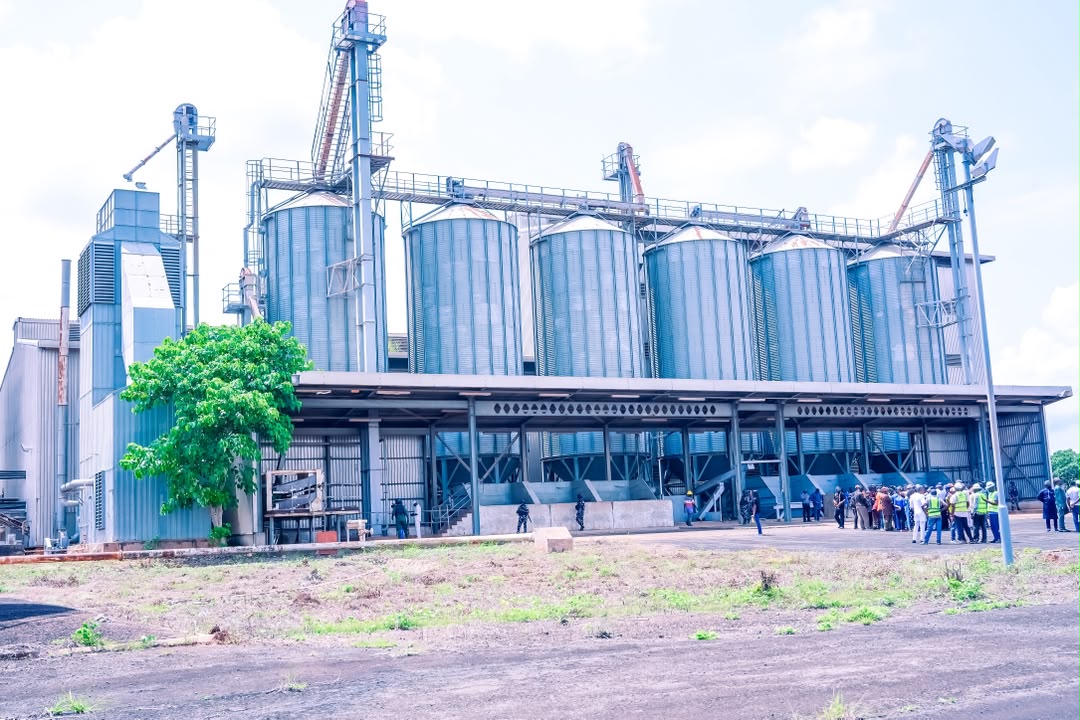
Taraku Mills, a major industrial facility in Benue State that remained dormant for decades, is set for full-scale production following the ongoing rehabilitation of its machinery by the state government.
The multi-billion-naira factory, which was established during the administration of former Benue State Governor Aper Aku, operated until the mid-1990s before becoming moribund.
During the inspection of the facility, the Chief Press Secretary to the Benue State Governor, Mr. Kula Tersoo, described the revival of Taraku Mills as one of the major benefits of visionary leadership and economic revitalisation.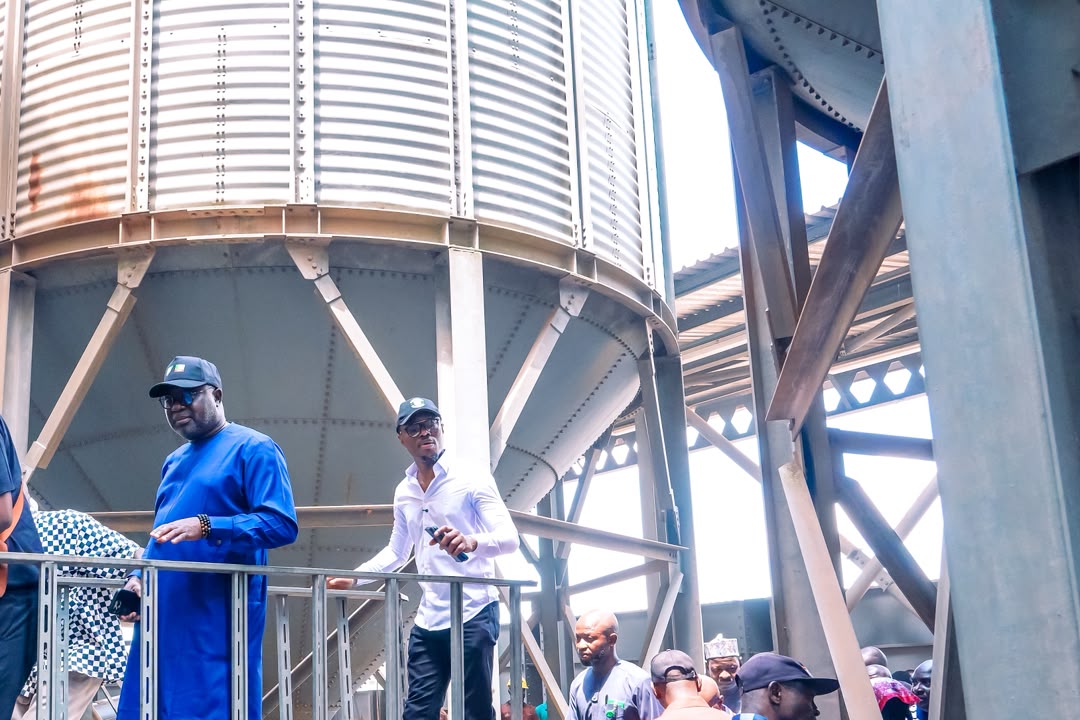
According to him, the factory is currently undergoing test runs after its machinery was serviced and restored.
“This is a multi-billion factory. From what the MD of BIPC told us, this is a factory that is worth N70 billion plus,” Tersoo said.
He explained that the people of the community played an important role in preserving the facility during the years it remained inactive, noting that they collectively protected the factory and ensured that no equipment was removed.
“The people of this area behaved in a manner that is worth appreciating. They came together and said they would guide this factory, and they did that jealously. No pin got missing in this factory until Father Alia came, and so he decided to revamp the company,” he said.
Tersoo said the rehabilitation of the factory was part of Governor Hyacinth Alia’s broader efforts to revive industries and stimulate economic activity in the state.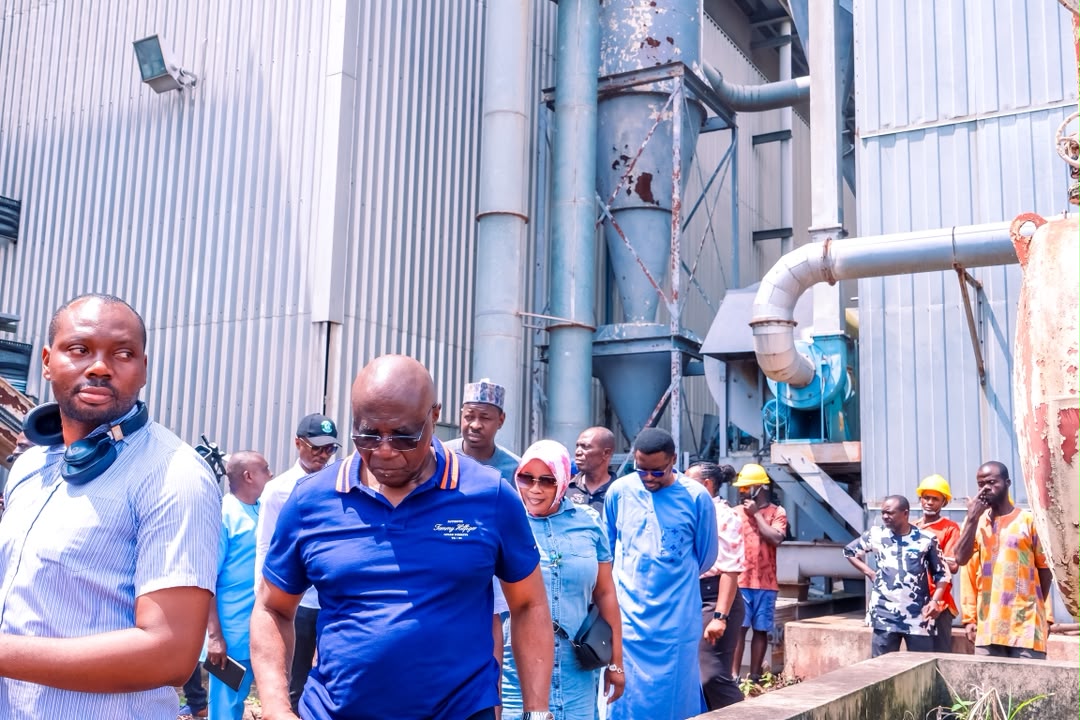
He also linked the ongoing rehabilitation to the economic policies of President Bola Tinubu, arguing that improved economic conditions and federal support had created an environment where investments of such magnitude could be undertaken.
According to him, the revival of Taraku Mills would create employment opportunities and restore the factory’s role as a major economic driver for the area and surrounding local governments.
The factory produces soybean and groundnut oil, while its operations have also been expanded to include maize processing and the production of animal feed.
Over 2,000 Direct and Indirect Jobs Expected
The Plant Manager, Engineer James Twenge, said the facility has the capacity to employ more than 2,000 workers directly and indirectly when fully operational.
He explained that Taraku Mills comprises several production divisions, including an oil mill, maize processing plant and animal feed mill.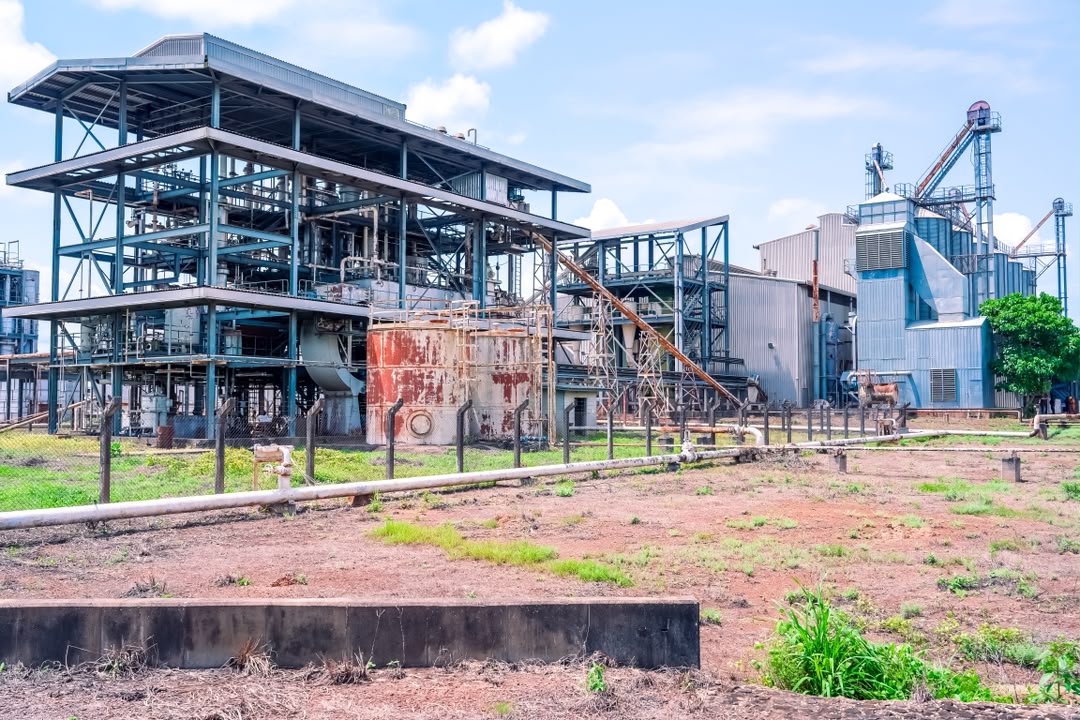
According to Twenge, the maize plant has the capacity to process 72,000 metric tonnes of maize annually, while the animal feed mill can process 172,300 metric tonnes of feed per year for different categories of livestock.
The oil mill division has two major production lines. The mechanical press line has a capacity to process 200 metric tonnes of seeds per day, while the flaking section can process 78,000 metric tonnes of seeds annually.
The facility also has a solvent extraction plant with a processing capacity of 320 metric tonnes per day, as well as an oil refinery capable of processing 100 metric tonnes of oil per day.
Production Expected Within Two Months
Twenge said the factory’s machinery is already undergoing maintenance and test operations, with full production expected to commence soon.
“You can hear the sound from the machines. You can as well see them as they are working,” he said.
He explained that the rehabilitation process involves dry testing, wet testing and test production before the commencement of full-scale commercial operations.
“Within the next two months, we can have products coming out,” he said, adding that some materials are already being processed during the ongoing test production.
Twenge, who described himself as a pioneer staff member of the facility, expressed optimism that the factory would soon return to its former level of industrial activity.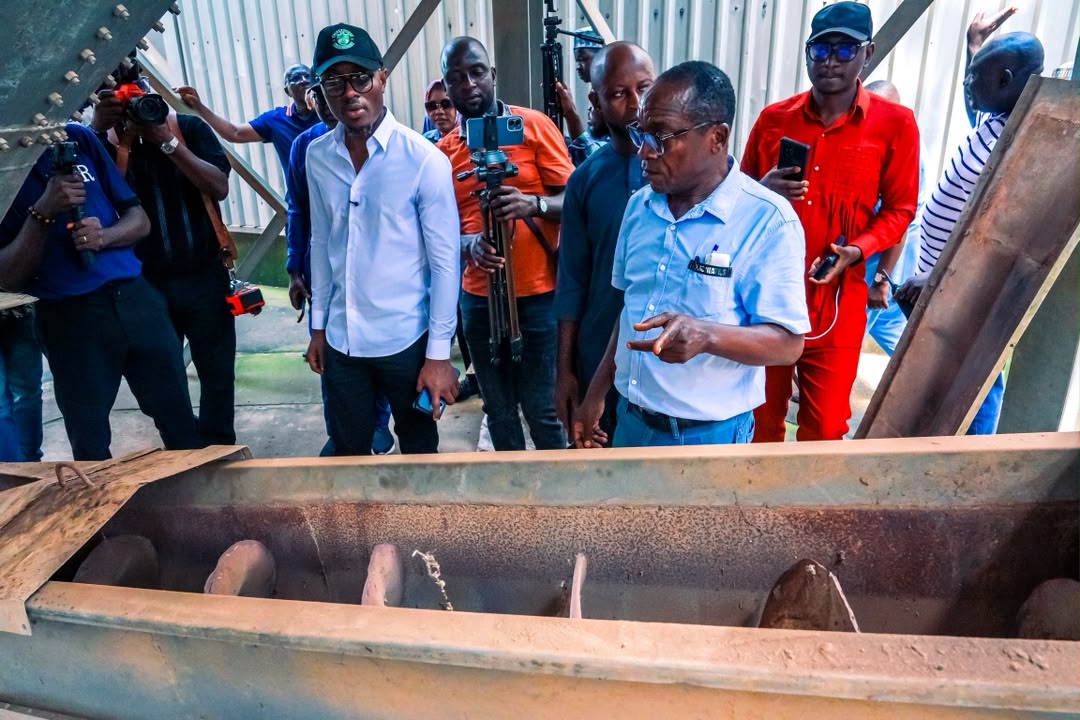
The revival of Taraku Mills is expected to strengthen agricultural value chains in Benue State by providing a ready market for crops such as maize, soybean and groundnut, while also supporting livestock production through the manufacture of animal feed.
For a state widely regarded as Nigeria’s food basket, the return of the factory to production could also provide new opportunities for farmers, create jobs and contribute significantly to the local economy.