



By Micheal Akanji
The Federal Government has announced plans to convene the National Youth Conference 2026 in October, describing the initiative as a platform for young Nigerians to contribute directly to national development, policymaking and the search for practical solutions to the country’s challenges.
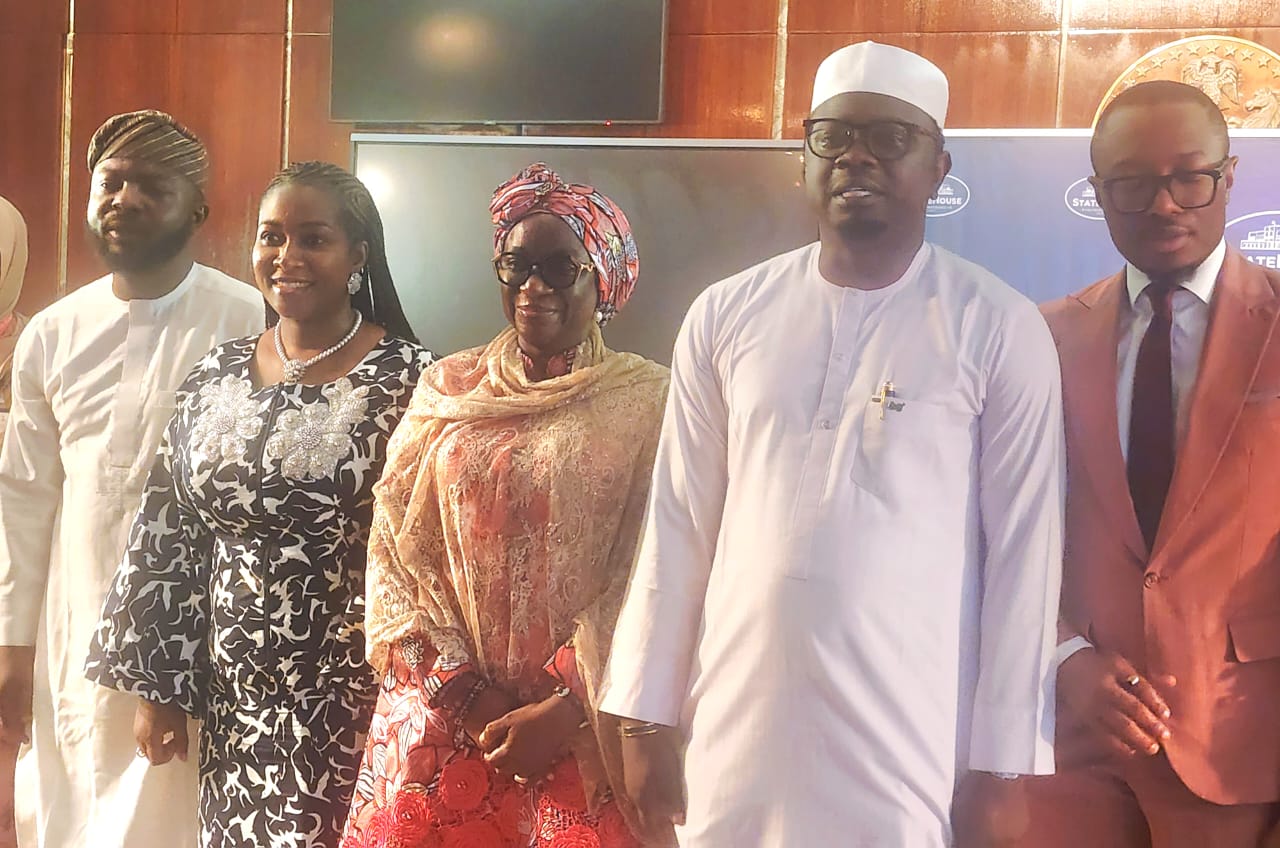
The Minister of Youth Development, Olawande Ayodele Wisdom in a press briefing, said the conference was being organised in collaboration with youth networks and other stakeholders under the leadership of President Bola Ahmed Tinubu.
The minister said young people, who constitute more than 70 per cent of Nigeria’s population and are largely below the age of 35, should no longer be regarded merely as “leaders of tomorrow,” but as active partners in the country’s governance and development.
“We are part of the government. We discuss together and make decisions together. We are partners in the national duty today. Our ideas and experiences matter, and our participation is important to the progress of this country,” the minister said.
According to the minister, the conference is designed to provide an inclusive platform for young Nigerians to share their experiences, express concerns, develop ideas and contribute to policies that will shape the country’s future.
Themed “Next Generation Nigerians: Crafting Solutions, Owning the Future,” the conference will seek to move youth participation beyond discussions to the development and implementation of practical solutions.
The minister stressed that the initiative would not be another conference focused solely on speeches and reports.
“This is not just another conference. It is not about speeches or producing another document. Enough of talking; we want to see action,” the minister said.
The Federal Government plans to hold a two-week virtual consultation ahead of the physical conference in Abuja. Young Nigerians between the ages of 18 and 35, both within the country and in the diaspora, are expected to participate.
The consultations will provide opportunities for participants to submit ideas, concerns and policy proposals that will help shape the agenda and deliberations of the physical conference.
The minister called for contributions from young entrepreneurs, farmers, students, workers, people with disabilities, technology enthusiasts and young Nigerians active on social media, as well as those living abroad.
He said the process was deliberately designed to ensure that young people whose voices are often overlooked would have an opportunity to contribute.
The physical conference is expected to bring together 360 youth delegates, with representation from Nigeria’s federal constituencies, as well as representatives of Nigerians in the diaspora and relevant stakeholders as observers.
The conference will focus on six broad areas:
- Governance, leadership and political participation
- Economic transformation, entrepreneurship and job creation
- Education and skills for the future
- Technology, innovation and digital transformation
- Climate change and energy transition
- Social cohesion and security
The minister said the deliberations would be guided by principles including inclusion, youth leadership, merit, transparency, gender balance and broad representation.
He added that the selection process would be non-partisan and designed to reflect Nigeria’s diversity.
The minister also assured participants that the work would not end when the conference closes.
He said mechanisms would be established to support implementation of recommendations emerging from the conference and to maintain engagement between young Nigerians and decision-makers.
The proposed framework will involve continued engagement with the executive and legislature at national and subnational levels, universities and other institutions, alongside youth-led monitoring mechanisms to track commitments.
“We do not need another document. Enough of documents. We need action, opportunities, measurable commitments and institutions that will listen and respond to the needs of young Nigerians,” he said.
The minister further appealed to participants to put national interest ahead of political, ethnic and other divisions, stressing that young Nigerians should take ownership of the process of building the country they want.
Speaking at the briefing, the Senior Special Assistant to President Tinubu, on Digital Engagement, Strategy and New Media, Otega Ogra, said the President’s administration had created opportunities for young Nigerians and was giving them room to contribute to national development.
Ogra cited the appointment of young Nigerians to ministerial and agency leadership positions, as well as government programmes focused on university education, vocational training, digital skills and work opportunities.
He urged young Nigerians to use the opportunity provided by the conference to present ideas, challenge existing approaches respectfully and take responsibility for the country’s future.
Another presidential aide, Dada Olusegun, said the initiative was intended to encourage young Nigerians to move beyond criticism and become active participants in finding solutions to national problems.
He said the conference should provide space for Nigerians across ethnic, religious, political and social backgrounds, including persons with disabilities, to engage in discussions about the country’s future.
Olusegun also emphasised the importance of ensuring that recommendations from the conference are implemented, rather than allowing them to remain in reports.
Titilope Gbadamosi, another Senior Special Assistant to the President, urged the 360 delegates expected to represent young Nigerians to approach the conference as “solution makers.”
She said the consultation process would extend beyond Abuja to communities at the grassroots, allowing delegates to bring issues and proposed solutions from their respective constituencies.
The Federal Government has therefore called on young Nigerians across the country and in the diaspora to participate in the consultation process, submit ideas and contribute to the development of recommendations for the National Youth Conference 2026.
The organisers say the ultimate objective is to strengthen the relationship between young Nigerians and government while creating a framework through which youth participation can translate into concrete national action.